
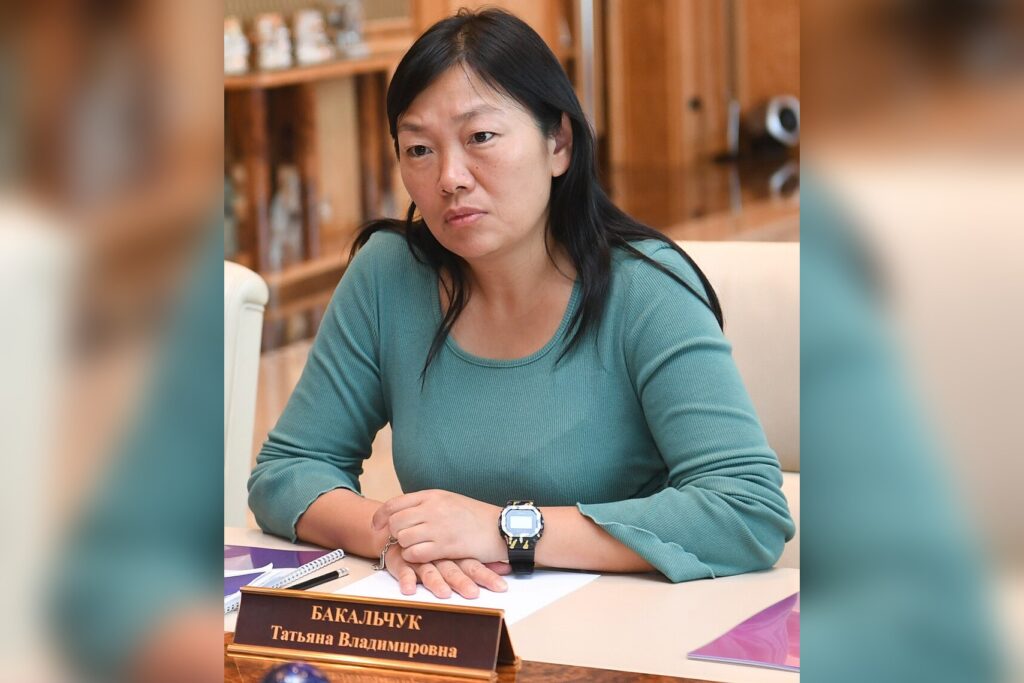
MOSCOW, August 3 — Drone strikes against Wildberries’ logistics hubs have presented a significant new challenge to the business empire of Tatyana Bakalchuk, founder and majority owner of Russia’s largest e-commerce company. This development introduces a new layer of complexity to an operational environment already marked by geopolitical pressures and economic shifts. Tatyana Bakalchuk, born on November 28, 1975, in Moscow, established Wildberries in 2004.
The company began as an online bookstore, a venture she undertook while on maternity leave from her teaching profession, initiated with a $10,000 loan. Under her leadership, Wildberries evolved rapidly, expanding its offerings into general retail.
The company’s growth model, according to industry analysts, combined a marketplace approach with an inventory system, a strategy that fueled its swift ascent within the e-commerce sector. The record shows Bakalchuk’s success has been substantial. By 2024, Forbes estimated her net worth at $11.1 billion, recognizing her as Russia’s richest self-made woman.
This financial standing underscores the scale of Wildberries’ operations and its market dominance. Wildberries’ operational success is largely attributed to Bakalchuk’s strategic focus on logistics.
The company has invested billions in developing automated sorting centers and extensive delivery networks, a critical infrastructure for its reach across the region. This robust network supports operations that employ over 200,000 people and serve millions of customers, positioning Wildberries as a key player in the Russian economy.
Operating in a Complex Geopolitical Environment
Despite maintaining a generally low public profile, Bakalchuk has been vocal regarding the difficulties of operating in Russia since 2022. According to her public statements, these challenges include the impact of international sanctions and widespread disruptions to global supply chains, affecting the flow of goods and raw materials essential for e-commerce operations. The company has also faced considerable criticism on the international stage.
Some Western brands, for instance, opted to withdraw from the Wildberries platform due to the company’s continued operations in Russia following the conflict in Ukraine. In 2023, Bakalchuk herself was included in the European Union’s list of oligarchs, with the EU citing alleged links to the Kremlin.
Bakalchuk has consistently denied any political affiliations, stating her focus remains purely on business.
New Challenges to Logistical Prowess
The recent drone strikes targeting Wildberries’ logistics hubs introduce a direct and tangible threat to the physical infrastructure that underpins the company’s success. These incidents present a new operational hurdle for Bakalchuk and her management team, requiring immediate responses to protect assets and ensure continuity of service. The ability of Wildberries to adapt its extensive delivery and sorting networks in the face of such direct security threats will be closely watched, as it navigates both existing geopolitical pressures and emerging security concerns impacting its core operations.




