
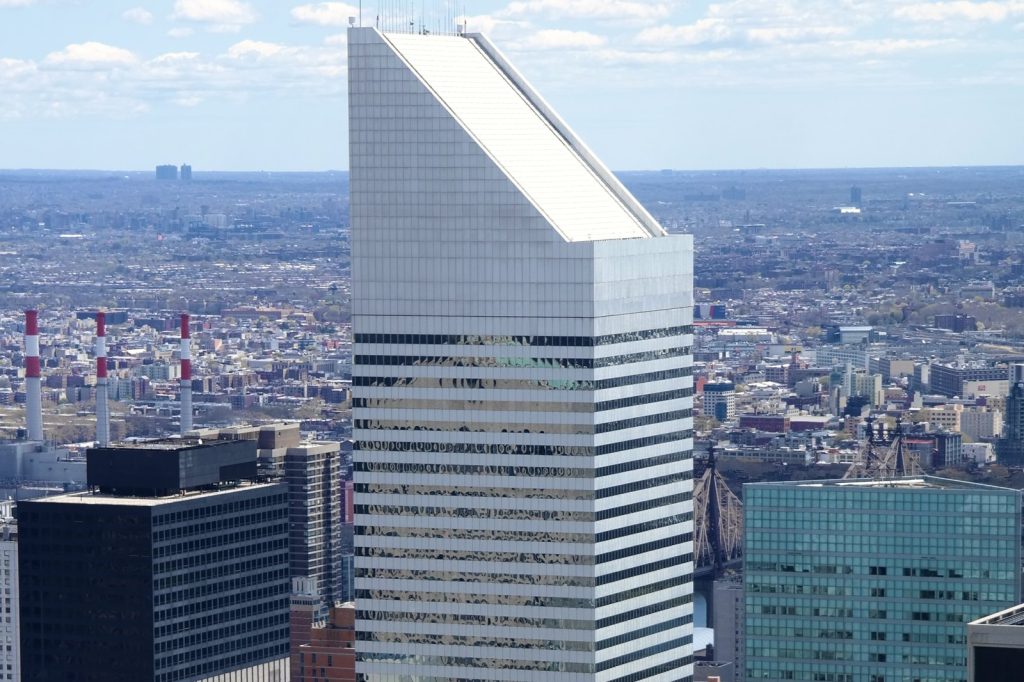
For Citigroup, the $400 million fraud at its Mexican subsidiary Banamex is not just a one-time embarrassment. It is a stress test of the very structure regulators rely on to keep systemically important banks from failing. The fraud, which involved fake invoices from the oil services company Oceanografia, raises an uncomfortable question.
If a bank that the Financial Stability Board labels “too big to fail” could miss a fraud of this size in a subsidiary, what else is it missing? Regulators are now taking a close look.
That is the immediate consequence. The bank’s internal controls and risk management practices are under a microscope. For a firm ranked 36th on the Fortune 500, operating in two major divisions — Institutional Clients Group and Personal Banking and Wealth Management — the scrutiny will be intense.
The ICG division alone handles investment banking, corporate banking, treasury and trade solutions, and securities services like custodian banking. The PBWM division runs Citibank retail branches and is the third-largest issuer of credit cards in the country.
That is a lot of moving parts. One weak link in a subsidiary now casts doubt on the whole chain. The fallout will hit investors first.
Confidence is a fragile thing in banking. When a systemically important bank admits to a $400 million hole, shareholders start asking hard questions about oversight. The bank has not commented on the specifics of the incident.
That silence does not help. It leaves room for speculation, and speculation is rarely kind to stock prices.
There is a deeper consequence here for the broader regulatory framework. Citigroup is one of eight global investment banks in the Bulge Bracket. It is a pillar of the financial system.
The entire “too big to fail” concept rests on the idea that these institutions are so closely monitored and so tightly controlled that a catastrophic failure is virtually impossible. A $400 million fraud does not bring down a bank of this size.
But it does crack the facade of infallibility. It suggests that the monitoring has gaps. If a fraud of this magnitude can happen, the argument for why these banks are too big to fail gets weaker.
What to watch next is the investigation. Regulators will want to know how deep the problem goes. Was this a rogue operation at Banamex, or does it point to a systemic weakness in how Citigroup oversees its subsidiaries?
The bank’s structure — formed in 1998 by the merger of Citicorp and Travelers — is complex. Overseeing a sprawling network of divisions and international units is hard.
The fraud at Banamex suggests it might be harder than the bank’s internal controls were prepared for. Expect changes. Banks under this kind of pressure usually tighten lending, review vendor relationships, and overhaul compliance procedures.
For Citigroup, the cost of the fraud will not stop at $400 million. The cost of fixing the systems that failed to catch it will be higher.
The cost in lost trust will be higher still. This is not a crisis that will topple Citigroup. It is a warning.
A warning that even the most closely watched institutions can have blind spots. And when a bank is too big to fail, the consequences of those blind spots ripple far beyond one subsidiary in Mexico.




