
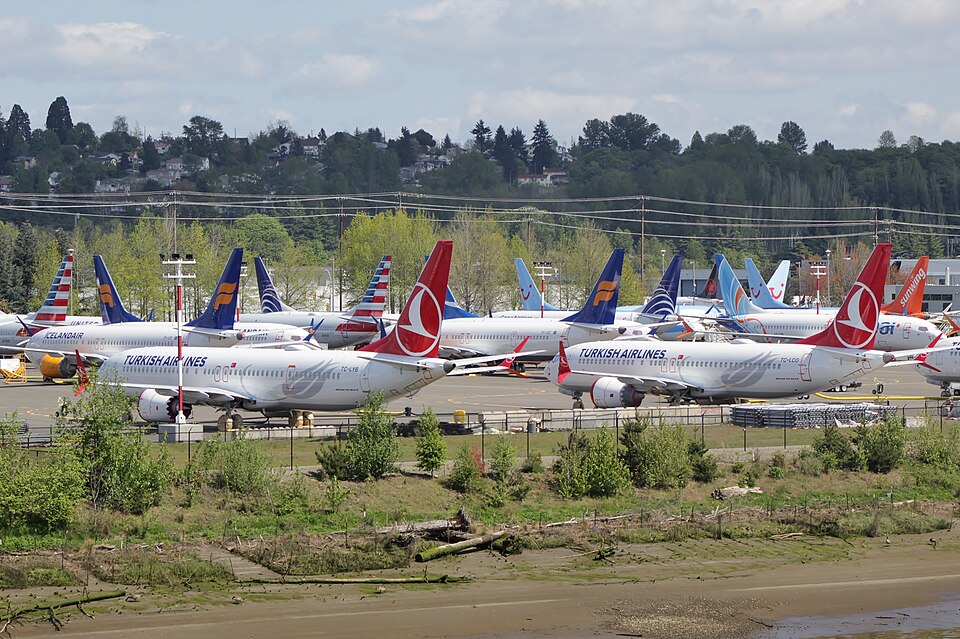
As of July 7, 2024, the Boeing 737 MAX has experienced two separate groundings linked to safety issues, marking a turbulent history for the aircraft model. The initial grounding stretched from March 2019 to December 2020, triggered by two fatal crashes that occurred within a five-month span.
The first accident involved Lion Air Flight 610 on October 29, 2018, followed by Ethiopian Airlines Flight 302 on March 10, 2019. These disasters resulted in the deaths of 346 people. A subsequent grounding took place in January 2024 after a dangerous in-flight incident.
A central element in the crashes was the Maneuvering Characteristics Augmentation System (MCAS), a feature introduced specifically for the 737 MAX. In 2016, the Federal Aviation Administration (FAA) approved a Boeing request to omit MCAS references from the flight manual.
This decision has drawn widespread criticism, as pilots were not fully informed about the system’s presence. Following the Lion Air accident in November 2018, Boeing advised pilots on corrective actions for potential malfunctions but refrained from disclosing MCAS until pilots specifically asked for more details. The FAA’s response has also come under scrutiny.
In December 2018, the agency privately discussed MCAS with Boeing but did not take public measures until after the second crash. Initially, the FAA affirmed the 737 MAX’s airworthiness, citing insufficient evidence of similarities between the two accidents.
However, as regulators worldwide began grounding the aircraft, the FAA followed on March 13, 2019. By March 18, all 387 delivered aircraft were grounded. Boeing has faced criticism for keeping MCAS secret and failing to provide adequate pilot training.
The grounding effort became a global initiative, with 51 regulators acting before the FAA. This coordinated response underscores the role of international cooperation in aviation safety.
The widespread action by other authorities contrasted with the FAA’s initial hesitation, suggesting broad concerns about the aircraft’s safety. The FAA’s eventual grounding decision was likely influenced by these international moves, highlighting the need for a unified safety approach. Looking ahead, the 737 MAX continues to face scrutiny. The January 2024 grounding indicates lingering safety concerns, requiring ongoing vigilance from regulators and manufacturers.
Observers will monitor how Boeing and the FAA address these issues and work to restore confidence in the aircraft. Ensuring the safety of the flying public remains paramount, with a responsibility on regulators and manufacturers to uphold the highest safety standards.




