
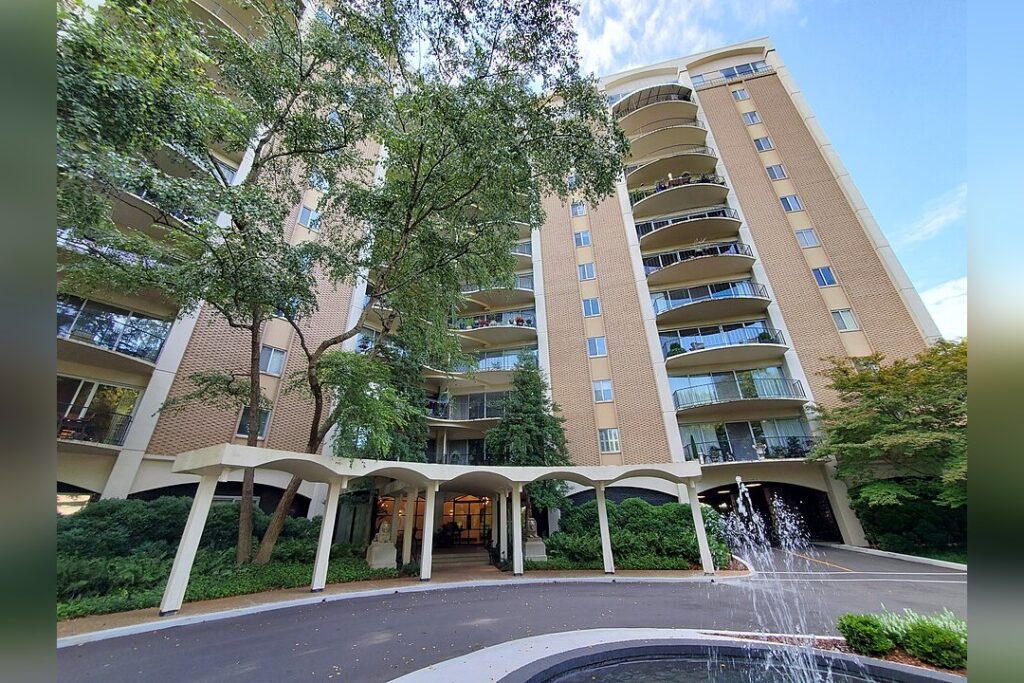
Richmond and the Tri-Cities are about to become ground zero for an experiment in affordable housing. The federal and provincial governments are pouring more than $5 billion into a new partnership. A chunk of that money will target vacant condo units — over 2,200 of them — sitting empty across Metro Vancouver.
Condo completions have climbed fast recently. That surge in supply left developers holding unsold inventory.
Now the plan aims to flip those empty units into affordable homes. The move has consequences that ripple far beyond the construction sites. For one, the market itself changes.
A glut of unsold condos, concentrated in areas like Richmond, Coquitlam, Port Coquitlam, Port Moody, and Central Park/Metrotown, has been a drag on prices. Developers built during a hotter market.
They got stuck. The plan could clear that backlog, but at a cost. Conservative Leader Pierre Poilievre called it a “bailout” for builders who miscalculated demand.
Public money, he argues, will help developers and lenders unload units they couldn’t sell on their own. That debate is real. Can expensive private-market condos truly become affordable homes?
Or does the cash simply prop up a system that overbuilt? The answer matters to taxpayers funding the deal.
It matters to renters and first-time buyers watching housing costs eat their paychecks. The partnership runs 10 years. It taps the Build Communities Strong Fund, which also covers transit and infrastructure.
That means the housing piece is not standalone. It ties into broader urban planning.
Where these converted condos sit — near transit lines, in already developed neighborhoods — will shape how people live and commute. Michael Mak, a CMHC economist, pointed to the root cause: condo completions climbed quickly, unsold inventories rose. The plan addresses the symptom, not the cause.
If supply keeps outpacing demand, the same problem could reappear. The agreement locks in funding for a decade, but market cycles turn faster than that. For investors, the takeaway is blunt.
The government is stepping in where the private market failed to clear. That changes risk calculations.
Developers who bet on hot demand and lost are getting a lifeline. Future projects may face tighter scrutiny. Lenders may think twice before financing another wave of condos without guaranteed buyers.
The social consequences are just as sharp. Affordable housing advocates have long begged for action.
Empty units are a taunt in a city where rents crush household budgets. Turning them into homes, even if imperfectly, puts roofs over heads. But the plan also raises questions about quality.
A condo built as luxury stock may not function well as low-income housing. Layouts, amenities, operating costs — all shift. Critics will watch closely.
Supporters will too. The sheer scale — over 2,200 units across multiple cities — means success or failure will be visible.
Not hidden in a spreadsheet. Visible in who moves in, who stays housed, and who gets pushed out of neighborhoods that were never intended for them. Metro Vancouver’s housing market is not simple.
This plan does not fix everything. It targets one specific problem: empty, unsold condos.
Whether that is a smart use of $5 billion or a bailout dressed in policy language depends on what happens next. The units sit empty now. They will not stay that way for long.
{“@context”: “https://schema.org”, “@type”: “NewsArticle”, “headline”: “BC, Ottawa commit $5B to turn vacant condos into affordable homes”, “description”: “Richmond and the Tri-Cities are about to become ground zero for an experiment in affordable housing. The federal and provincial governments are pouring more than…”, “datePublished”: “2026-06-23T16:47:00+00:00T09:30:00+00:00”, “author”: {“@type”: “Person”, “name”: “Erika Johnson”}, “publisher”: {“@type”: “Organization”, “name”: “InfoPulse Today”, “url”: “https://newsfeed.infopulsetoday.com/”}}




