
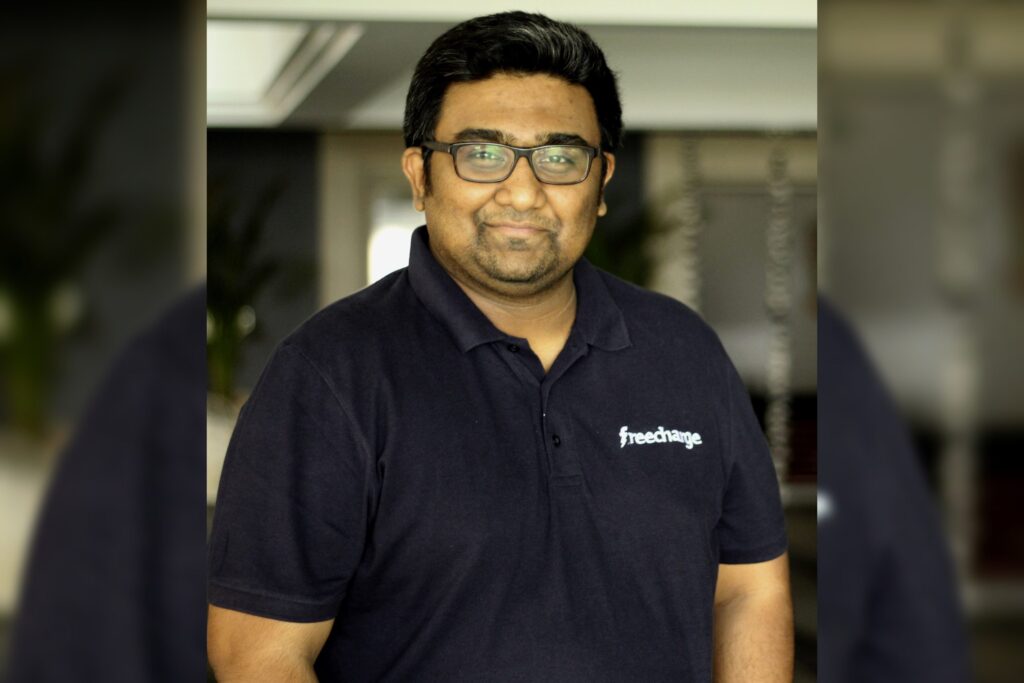
Kunal Shah built Cred into a fintech brand people talk about. Now he has to make WhatsApp into something more — without breaking what already works. That is the job Meta has handed him.
Shah, who stays based in Bengaluru, will take a global leadership role at the messaging platform. He will visit Menlo Park as part of his transition.
The company said his daily understanding of how people use the app and his sense of its next big opportunities drove the selection. The stakes are concrete. WhatsApp’s paid messaging business has already hit a substantial annual run rate.
Ads and subscriptions are becoming serious growth engines. Meta needs that trajectory to hold or accelerate.
Shah’s job is to push WhatsApp toward becoming a multi-utility platform — more than just encrypted chat. But there is a tension baked into the assignment. WhatsApp is indispensable to hundreds of millions of people partly because they trust it.
That trust is fragile. Turn the app into too many things too fast, and users may balk. Shah has to balance growth and innovation against the risk of eroding what made the app stick in the first place.
Meta has made its bet on India explicit. The company invested a considerable amount in Cred, valuing the startup at $4.5 billion.
That money strengthens Meta’s position in India’s fast-growing digital payments ecosystem. Shah’s appointment looks like the next logical step — put someone who built a successful Indian fintech inside the machine. The signal is hard to miss.
Meta sees India not simply as a market to sell into but as a hub for growth and innovation. Shah operating from Bengaluru, not California, reinforces that.
The company’s deepening commitment to India will have real implications for the country’s digital payments landscape. Cred already has footprint there. Now WhatsApp gets direct access to the founder’s playbook.
Shah will be watching how the paid messaging business evolves. That is where the money is. WhatsApp has been cautious about monetization for years.
That era is over. Subscriptions and ads are the new reality, and the annual run rate shows they are working.
The challenge is to keep that momentum without making the app feel like a storefront. India is the test case. If Shah can turn WhatsApp into a multi-utility platform here — where trust in the app runs deep and digital payments are exploding — the model can travel.
If he stumbles, the damage will be visible in the world’s biggest messaging market. Meta is betting he will not stumble.
The investment in Cred and the choice of Shah suggest the company wants someone who has already done the hard part: building trust and utility together in a single product. Now he has to do it again, at a much larger scale, inside a platform that already belongs to everyone’s pocket. The risk is real.
WhatsApp’s simplicity is its strength. Every new feature, every ad placement, every subscription tier adds complexity. Shah has to navigate that without breaking the thing people rely on every day.
That is the job. No room for error.




