
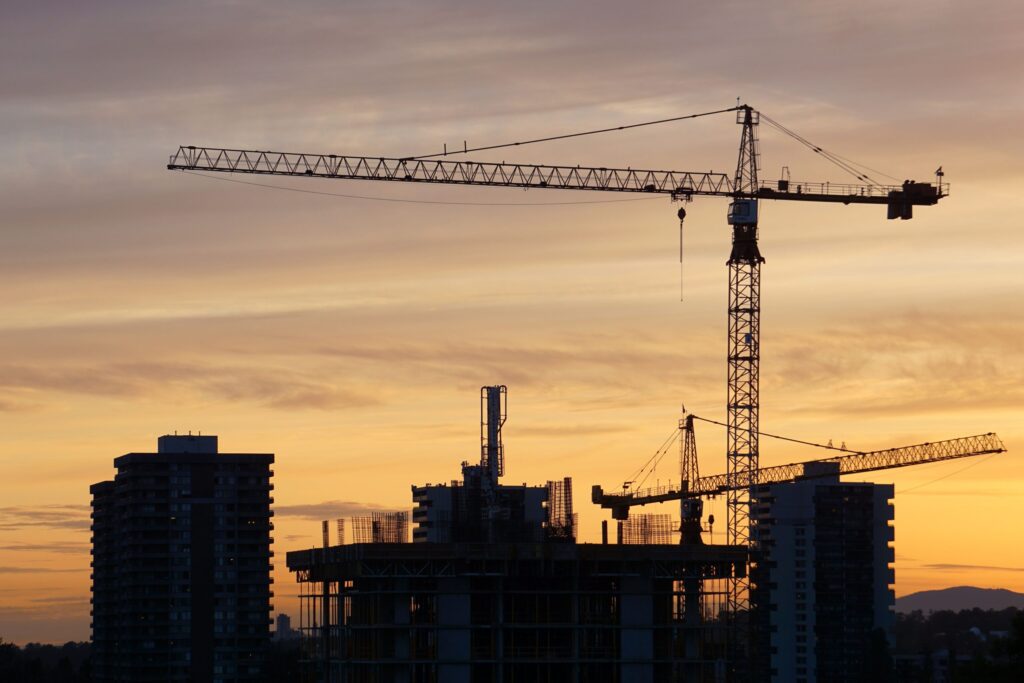
MANILA, July 18 — Across Asia, the quiet hum of a construction site can sometimes stir a very loud neighbourhood debate. The issue is NIMBY — short for “not in my back yard” — a powerful local opposition that shapes whether a new housing block, a railway line, or even a solar farm gets built near people’s homes. For communities across the region, from Manila to Mumbai to Tokyo, this dynamic is increasingly defining what development actually looks like on the ground.
What exactly is NIMBY?
The term describes residents who oppose proposed developments — housing, infrastructure, or businesses — because they are located near them. It carries the implication that these same residents would accept the project if it were built farther away. Those who hold this stance are often called “nimbys,” and their viewpoint is referred to as “nimbyism.” The opposite movement, known as YIMBY (“yes in my back yard”), pushes for more development closer to home.
The range of projects that have drawn NIMBY opposition is broad. Housing development, especially affordable housing and trailer parks, is a frequent target.
So are homeless shelters, day cares, schools, universities and colleges, and music venues. Even bike lanes and transportation planning that promotes pedestrian safety can face objections. Renewable energy projects like solar farms and wind farms, as well as incinerators, sewage treatment systems, fracking, and nuclear waste repositories, have also met community resistance.
What people say — and what drives the opposition
Residents offer a variety of claimed reasons against these developments. Increased traffic is a common concern: more jobs, housing, or stores mean more vehicles and demand for parking. Industrial facilities such as warehouses, factories, or landfills add truck traffic to local roads.
Another frequent worry is harm to locally owned small businesses — a big-box store can overwhelm smaller shops, or a new road can divert traffic away from an older commercial strip, leading to lost revenue. Loss of residential property value is often cited, particularly when a development is seen as undesirable.
Environmental pollution — of land, air, and water — is claimed for power plants, factories, crematoriums, sewage treatment facilities, airports, and similar projects, especially those assumed to produce odours. Light pollution bothers neighbours of projects that operate at night or require security lighting. Noise pollution is a common objection to wind power, airports, roads, industrial facilities, stadiums, festivals, and nightclubs that are particularly noisy during nighttime hours.
What it means for communities across Asia
These dynamics are not unique to any one country. For families across Asia, the question of where to place essential but unwanted infrastructure — waste treatment plants, power lines, prisons, or even cannabis dispensaries — can pit local quality of life against broader regional needs. Large-scale developments of all kinds, such as big-box stores and housing subdivisions, also face opposition.
Closer to home, the same patterns influence the siting of data centers and other infrastructure projects across the United States, but the lessons travel. Whether it is a new high-speed rail line slicing through a neighbourhood in Japan or a subsidised housing project planned near a school in the Philippines, the tension between individual comfort and collective progress remains the central story of nimbyism.
As Asian cities grow and demand for housing, energy, and transport surges, the conversation around NIMBY will only intensify. What happens when a community says yes to development — but just not in their back yard? That question will shape the skylines and streets of the region for years to come.
Sources
{“@context”: “https://schema.org”, “@type”: “NewsArticle”, “headline”: “NIMBY Opposition Shapes Housing And Infrastructure Development Across Asia”, “description”: “MANILA, July 18 — Across Asia, the quiet hum of a construction site can sometimes stir a very loud neighbourhood debate. The issue is NIMBY…”, “datePublished”: “2026-07-18T09:30:00+00:00”, “author”: {“@type”: “Person”, “name”: “Merry Gel Sigui”}, “publisher”: {“@type”: “Organization”, “name”: “InfoPulse Today”, “url”: “https://newsfeed.infopulsetoday.com/”}, “citation”: [{“@type”: “CreativeWork”, “url”: “https://en.wikipedia.org/wiki/NIMBY”}]}




