
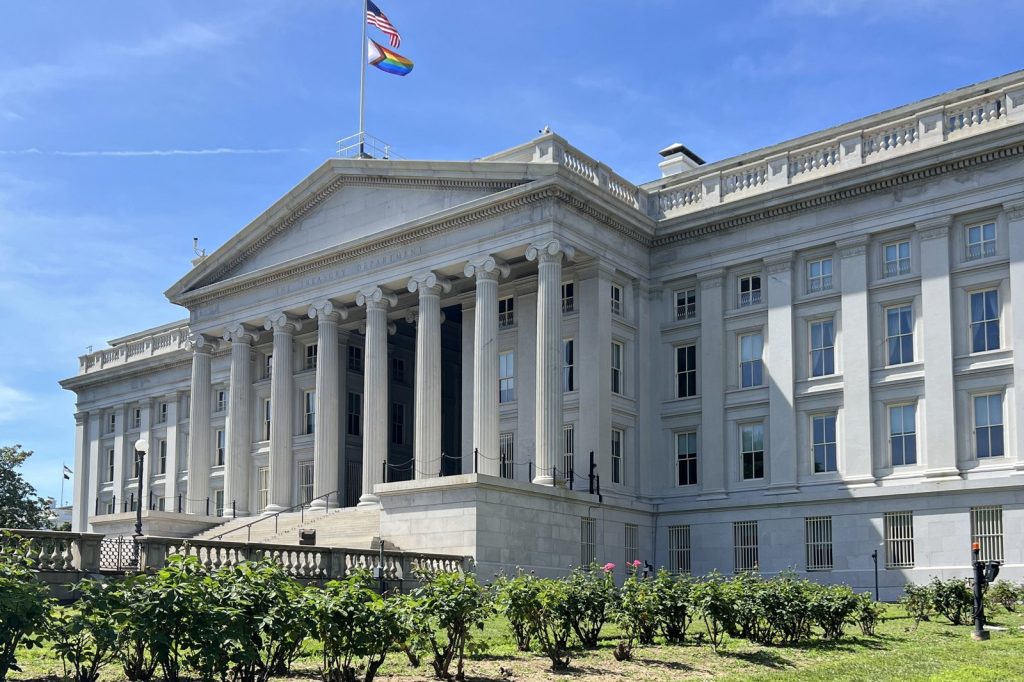
LONDON, July 6 — A confidential Treasury report has drawn a direct line between today’s feverish investment in artificial intelligence and the dot-com bubble that wiped $5 trillion from global markets two decades ago.
The document, obtained by InfoPulse Today, explicitly compares the current AI surge to the period from 1997 to 2000, when the NASDAQ Composite rose from around 1,300 to over 5,000 before collapsing. That crash erased $5 trillion in market value and triggered a mild recession in 2001.
The technical reality under the hood is unsettling. The Treasury’s analysis notes that the S&P 500’s current concentration in a handful of AI stocks mirrors the concentration of the Dow Jones Industrial Average just before the Wall Street Crash of 1929 — the event that ushered in the Great Depression.
These historical precedents are not merely academic. The report recommends proactive regulatory measures to prevent a similar systemic collapse. As ever, the detail that matters is the speed of the money: capital is piling into AI companies with breathtaking velocity, often before their business models have proven themselves.
The dot-com comparison is precise. In the late 1990s, investors threw money at any company with a “.com” suffix. Today, the frenzy surrounds firms with “AI” in their pitch decks. The Treasury’s report suggests the structural risk is comparable, even if the underlying technology differs.
One wry observation from the document’s authors: the market’s memory appears to be short. The dot-com crash was barely two decades ago, yet the pattern of speculative concentration is repeating. The S&P 500 now has a weighting in a few AI giants that, historically, has only preceded severe downturns.
The report does not name specific companies, but the implication is clear. When a handful of stocks dominate an entire index, the system becomes brittle. A shock to any one of them can cascade.
What to watch next: the Treasury’s recommendations are likely to land on the desks of regulators in both Washington and London. Proactive measures could include tighter margin requirements for AI-linked equities or stress tests for funds heavily exposed to the sector. The debate, as ever, will be between those who see a bubble and those who insist this time is different.
{“@context”: “https://schema.org”, “@type”: “NewsArticle”, “headline”: “Treasury Warns AI Bubble Risk Echoes Dot-Com and 1929”, “description”: “LONDON, July 6 — A confidential Treasury report has drawn a direct line between today’s feverish investment in artificial intelligence and the dot-com bubble that…”, “datePublished”: “2026-07-06T09:30:00+00:00”, “author”: {“@type”: “Person”, “name”: “Sebastian Smith”}, “publisher”: {“@type”: “Organization”, “name”: “InfoPulse Today”, “url”: “https://newsfeed.infopulsetoday.com/”}}




