
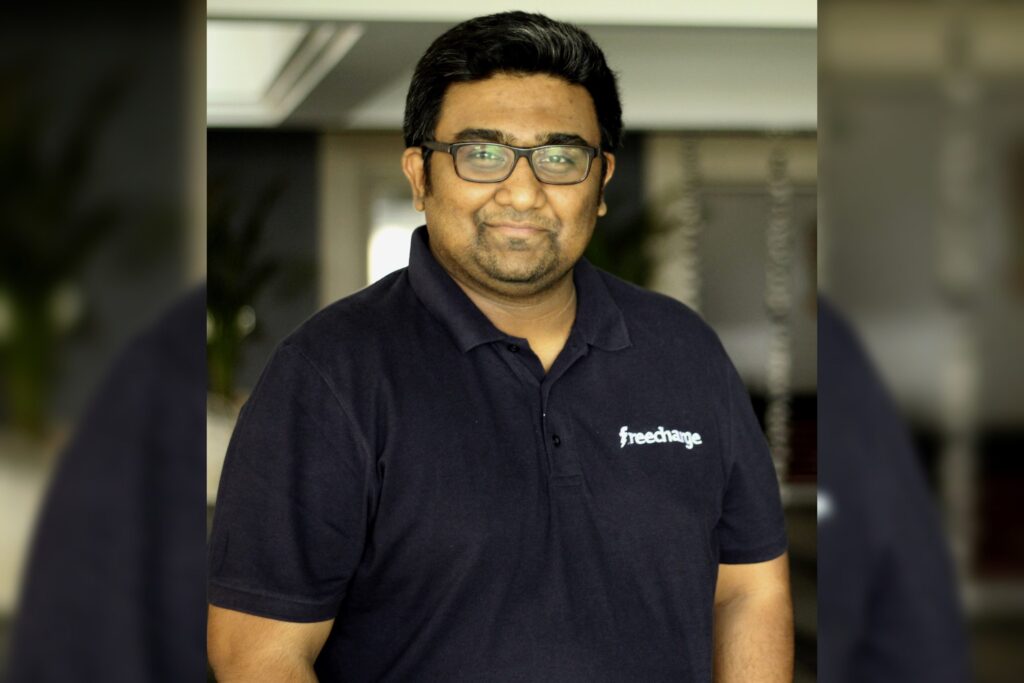
BENGALURU — When Meta put $4.5 billion into Cred, it bought a stake in a startup. Now it has bought the founder. Kunal Shah, the face behind one of India’s buzziest fintech brands, is taking a global leadership role at WhatsApp.
The move, announced June 24, hands Shah responsibility for the messaging app’s next phase. He will keep his desk in Bengaluru, flying to Menlo Park as needed.
The transition has already begun. The numbers behind the decision are blunt. WhatsApp’s paid messaging business now runs at a substantial annual run rate.
Ads and subscriptions are pulling hard on the revenue side. Meta needs someone who can push both without breaking the thing that makes WhatsApp work: trust.
Shah built Cred by getting Indians to pay credit card bills on time. That sounds simple. It is not.
He turned a chore into a loyalty game, then into a lending machine. The company is now valued at $4.5 billion. Meta put real money into that valuation.
Now it wants Shah to apply the same logic to WhatsApp — turn the world’s most used messaging app into a multi-utility platform where people pay, shop, and transact without ever leaving the chat window. The challenge is not technical.
It is psychological. Indians use WhatsApp to talk to mothers, landlords, doctors, and delivery guys. They trust it the way they trust a landline.
Push too hard on commerce and that trust cracks. Push too softly and the revenue stays flat.
Shah’s appointment signals something else. Meta no longer sees India as just a market to serve. It sees India as a place to build from.
The company has invested heavily in the country’s digital payments ecosystem. Cred was one bet. WhatsApp Pay was another.
Now the two bets share a leader. Shah understands daily use patterns.
That was the stated reason for his selection. He knows how people swipe, tap, and pay on Indian phones. That knowledge is not something Meta can buy off the shelf.
It has to be lived. The paid messaging business is the immediate focus.
WhatsApp has been testing ways to charge businesses for sending messages to customers. Banks, airlines, and retailers use it for confirmations, alerts, and receipts. That flow of messages is now big enough to register as a real revenue line.
Shah’s job is to make it bigger without making users feel like they are being sold to. Meta’s investment in Cred was already a signal. The startup was valued at $4.5 billion when Meta put in a considerable amount.
That deal gave Meta a window into how Indians borrow, spend, and repay. Now it has the founder too.
Shah will watch the paid messaging business evolve. He will also watch how ads and subscriptions grow. The two are linked.
More paid messages mean more business users. More business users mean more ad opportunities.
More ad opportunities mean more revenue. But each step risks user fatigue. The balancing act is real.
WhatsApp is not a mall. It is a private space. Shah has to turn it into a marketplace without making it feel like one.
That is the work ahead.




