
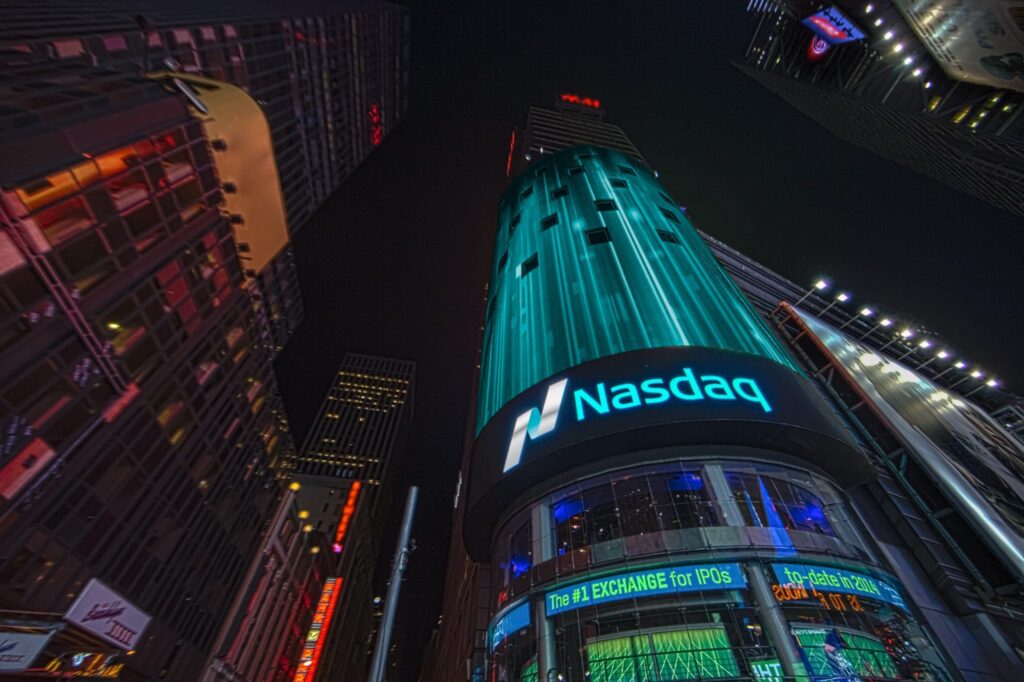
Hong Kong-based Creative Global Technology Holdings has a problem. Its stock price fell too low for too long. The Nasdaq sent a letter.
That letter, dated June 29, informs the company it is out of compliance with the exchange’s minimum bid price rule. The rule is simple: a listed stock must close at $1 or higher for 30 straight business days.
Creative Global’s shares failed that test. The notice itself is standard procedure. It does not yank the listing immediately.
The company gets a grace period — typically 180 days — to fix the price. This is not a rare event.
Small-cap tech firms, especially those from Asia listed in the U.S., often get these letters. The path back to compliance is well-worn. Companies can engineer a reverse stock split, which reduces the number of shares and pushes the price up mechanically.
Or they can announce something — a new contract, a strategic shift — that convinces investors to buy. Creative Global has not said which route it will take. The company stated it will monitor its closing bid price and consider available options.
A reverse stock split requires shareholder approval. That takes time and a vote.
Other measures might not. The notification does not touch the company’s operations. Its core technology business keeps running.
Financial reports are still due. The market may or may not care.
For now, the stock continues trading on the Nasdaq. Nothing changes until the compliance period ends. Investors who track Asian tech listings on U.S. exchanges have seen this movie before.
The standard compliance period gives a company months to sort things out. If the price stays below $1 by the end of that window, the exchange can start delisting proceedings. But that is a later problem.
Right now, Creative Global faces a regulatory clock. The company said it intends to address the deficiency.
That is the standard language companies use in these situations. They rarely say much else until they decide on a fix. Reverse stock splits are the most common remedy.
They are mechanical but effective. A 1-for-10 split, for example, multiplies the share price by ten.
The company’s value does not change. Only the math does. Some investors dislike them.
They can signal distress. But they keep the stock listed. Other options exist.
A company can try to drum up buying interest. That is harder to control.
It requires good news and willing buyers. No guarantee there. Creative Global’s notice is a procedural step.
It happens. The company now has time to respond.
The exchange gave it that. What happens next depends on the choices the company makes in the coming weeks.
{“@context”: “https://schema.org”, “@type”: “NewsArticle”, “headline”: “Creative Global Tech Faces Nasdaq Delisting Risk Over Low Stock Price”, “description”: “Hong Kong-based Creative Global Technology Holdings has a problem. Its stock price fell too low for too long. The Nasdaq sent a letter. That letter,…”, “datePublished”: “2026-06-29T14:19:00+00:00T09:30:00+00:00”, “author”: {“@type”: “Person”, “name”: “Reza Karimi”}, “publisher”: {“@type”: “Organization”, “name”: “InfoPulse Today”, “url”: “https://newsfeed.infopulsetoday.com/”}}




