
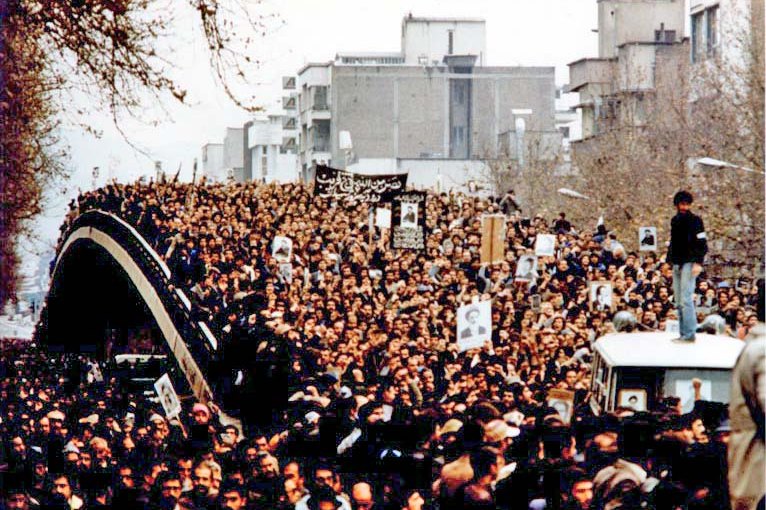
WASHINGTON, July 8 — A new review of the historical record shows that each major escalation between the United States and Iran has triggered measurable, if often temporary, dislocations in global financial markets. The timeline of tensions between the two countries stretches back more than seven decades. According to the historical record, the 1953 Iranian coup d’état — in which the United States and the United Kingdom helped overthrow Prime Minister Mohammad Mossadegh — stands as the foundational event that shaped subsequent relations.
That pattern of intervention and reaction continued through the 1979 Iran hostage crisis. The record shows that the seizure of American hostages led directly to a freeze on Iranian assets held in the United States.
U.S. stock markets dropped during that period, though the precise magnitude of the decline is not specified in the available documentation. The 2012 sanctions regime marked another inflection point. When the United States imposed sanctions on Iran’s central bank, oil prices spiked.
The 2015 nuclear deal and its unraveling
The Joint Comprehensive Plan of Action, signed in 2015, temporarily eased those tensions. That changed in 2018. President Donald Trump, then in his first term, withdrew the United States from the JCPOA.
The administration reimposed sanctions and added new ones. According to the source, the withdrawal led to renewed sanctions and market volatility.
The pattern of escalation resumed.
The Soleimani strike and market response
The 2020 assassination of Qasem Soleimani represented one of the most dramatic single events in the long arc of U.S.-Iran tensions. Soleimani, the commander of Iran’s Quds Force, was killed by a U.S. drone strike. The market reaction was immediate.
On January 3, 2020, the Dow Jones Industrial Average dropped more than 200 points. Oil prices surged above $70 per barrel.
The sell-off was brief, but it demonstrated how quickly financial markets respond to direct military confrontation with Iran. Sources familiar with market behavior during that period note that each such escalation has historically caused short-term declines in equities while driving rallies in gold and oil.
A pattern of volatility
The historical pattern is consistent. Each major U.S.-Iran confrontation produces a predictable sequence: equities fall, oil rises, gold rallies. The duration of these moves varies, but the directional response has been reliable across multiple episodes over decades.
The 2012 central bank sanctions offer a clear example. When the United States targeted Iran’s central bank, oil prices spiked.
The sanctions also contributed to broader market uncertainty, though the precise effect on equity indices is not quantified in the available source material. The 2020 Soleimani strike produced a similar but more compressed reaction. The Dow’s more-than-200-point drop on the day of the strike reflected the market’s assessment of increased geopolitical risk.
The oil price surge above $70 per barrel showed that traders expected potential disruption to Middle Eastern crude flows. Gold, meanwhile, rallied during both episodes as investors sought assets that would hold value if the conflict escalated further.
The pattern holds across both the 2012 sanctions and the 2020 strike.
Looking forward
As of July 8, 2026, the relationship between Washington and Tehran remains defined by the same structural tensions that have persisted for decades. The 2018 withdrawal from the JCPOA and the subsequent reimposition of sanctions have not been reversed. The 2020 killing of Soleimani remains a point of deep animosity for Iran’s leadership.
The question for markets now is whether the historical pattern will hold. Each previous escalation has produced short-term declines in equities and rallies in gold and oil.
The duration of those moves has varied, but the directional response has been consistent. Investors and policymakers alike are watching for the next inflection point. The record shows that when U.S.-Iran tensions spike, financial markets react — and they react in predictable ways.
The question is not whether the pattern will repeat, but when the next trigger will come.
{“@context”: “https://schema.org”, “@type”: “NewsArticle”, “headline”: “How US-Iran Tensions Have Historically Impacted Global Markets”, “description”: “WASHINGTON, July 8 — A new review of the historical record shows that each major escalation between the United States and Iran has triggered measurable,…”, “datePublished”: “2026-07-08T09:30:00+00:00”, “author”: {“@type”: “Person”, “name”: “Ariel Antonio”}, “publisher”: {“@type”: “Organization”, “name”: “InfoPulse Today”, “url”: “https://newsfeed.infopulsetoday.com/”}}




