
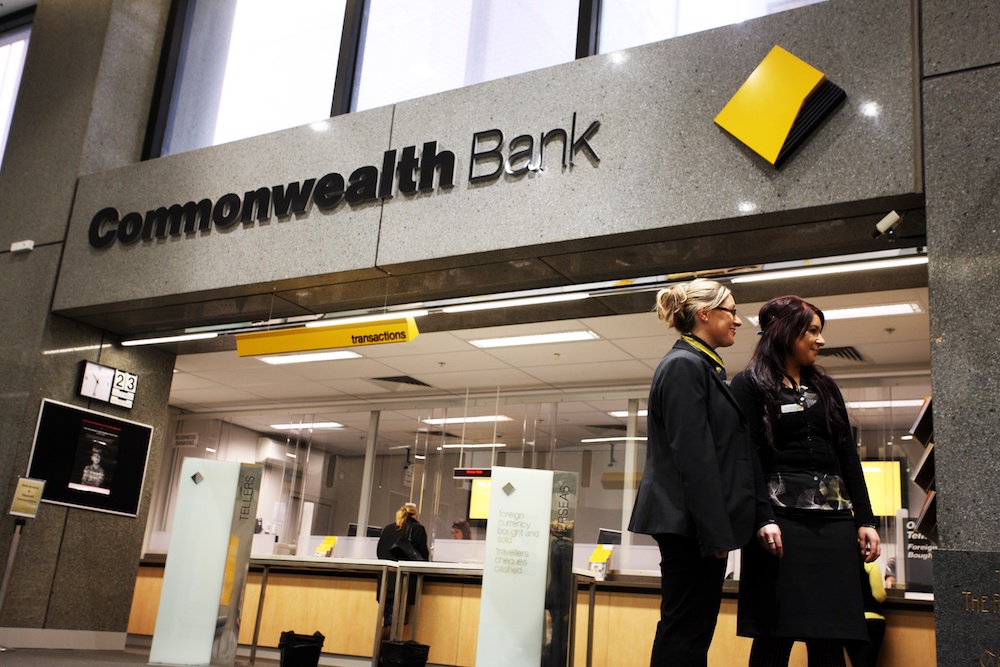
On August 7, 2017, the Commonwealth Bank of Australia, one of the country’s largest financial institutions, is confronting allegations that it violated anti-money laundering (AML) regulations. Reports indicate that approximately 53,000 suspected breaches occurred through the bank’s smart-deposit automated teller machines (ATMs).
These machines, which allowed customers to deposit cash and checks without completing a deposit slip, were intended to improve convenience but have become the focus of regulatory scrutiny. The Commonwealth Bank, commonly known as CommBank, traces its origins to 1911, when it was established by the Australian government. According to publicly available records, the bank was fully privatized in 1996 and is now one of the “big four” Australian banks, alongside the National Australia Bank, ANZ, and Westpac.
Its operations span retail, business, and institutional banking, as well as funds management, superannuation, insurance, investment, and brokering services. Subsidiary brands include Bankwest, Colonial First State Investments, ASB Bank in New Zealand, Commonwealth Securities (CommSec), and Commonwealth Insurance (CommInsure).
The bank was formed from the merger of the Commonwealth Trading Bank of Australia, the Commonwealth Savings Bank of Australia, and the Commonwealth Development Bank. Listed on the Australian Stock Exchange since September 12, 1991, the Commonwealth Bank ranks among the largest publicly traded companies in Australia. Its substantial presence in the financial sector makes the allegations of non-compliance particularly significant. The bank’s defense remains unclear, though it is expected to argue that measures were taken to prevent such breaches and that the incidents relate to a specific timeframe or set of transactions.
The allegations raise questions about the bank’s adherence to regulatory requirements, especially given its history and scale. As the situation develops, the bank’s response will be closely monitored by regulators and the public.
The bank may need to demonstrate a strong commitment to AML compliance to maintain trust and its position as a leading Australian financial institution. The outcome hinges on the bank’s defense and the findings of regulatory authorities. As of August 7, 2017, it is too early to predict the final result, but the bank faces pressure to address the allegations seriously and implement measures to prevent future breaches.




