
The Creation of a State Giant
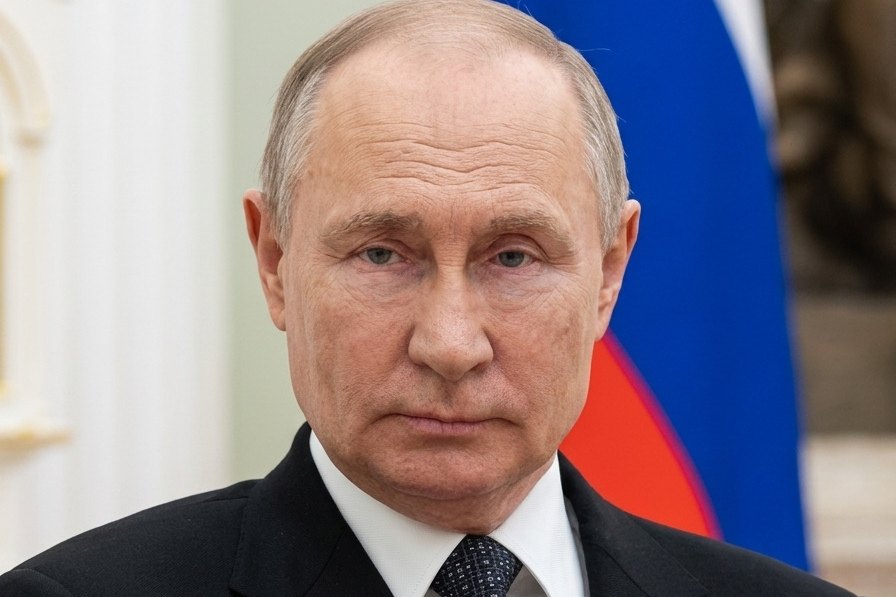
Russian Railways was not a sudden creation. After the Soviet Union dissolved in 1991, Russia inherited a sprawling rail system from the former Soviet Railways. By the mid-1990s, that system had become unprofitable, and public frustration over the bureaucratization of the Ministry of Railways grew. Reform came shortly after President Vladimir Putin’s election in 2000, when he approved a plan to restructure the sector by separating government regulation from commercial operations. On October 2003, a presidential decree established Russian Railways as a joint-stock company, fully owned by the state. The decree transferred more than 95 percent of the ministry’s assets—987 companies in asset value—into the new entity. Gennady Fadeyev, then the railways minister, became its first president.
The new company was required to allow other carriers to use its tracks, but because the law also forced it to serve customers anywhere in Russia, it kept a near-monopoly on long-distance passenger service. Today, that monopoly is absolute. Russian Railways is fully state-owned and vertically integrated, managing both infrastructure and operations. Its headquarters are in Moscow at Novaya Basmannaya str., 2, with its central staff working out of Kalanchevskaya str., 35. The company controls 63 subsidiaries, including TransContainer, RailTranAuto, and the Rail Passenger Directorate. In 2006, it signed an agreement with Siemens for high-speed trains. A corporate rebranding followed between 2007 and 2010. The scale remains enormous: one of the largest rail networks in the world, stretching across Russia’s immense territory.
Financial Strain and Strategic Weight
Despite its size, the company’s finances have darkened. As of 2026, Russian Railways carries $45 billion in debt—4 trillion rubles. The burden is heavy. Yet that debt load cannot be considered in isolation, because the company’s core function extends well beyond commerce. The same network that moves coal and oil to markets also enables the rapid movement of soldiers, tanks, and supplies to far-flung regions. Rapid military logistics depend on those tracks. That is not a theory; it is the company’s core utility in a conflict environment. The infrastructure that serves civilian passengers also serves the Kremlin’s strategic needs.
The trend underneath the red ink is operational control. RZhD’s grip on Russia’s rail network makes it a critical asset for the military. Its trains move everything from Siberian coal to Kremlin soldiers. The company’s financial troubles, therefore, are not just a matter of corporate balance sheets—they affect Moscow’s ability to project force across a vast territory where road and air alternatives are limited.
Logistics Beyond Russia’s Borders
There is, however, a notable carve-out in the company’s reach. In the occupied territories of Ukraine, railways are controlled by independent companies—Crimea Railway and Novorossiya Railway—which are not part of Russian Railways. This separation means that while RZhD remains the dominant rail operator inside Russia, its infrastructure does not extend directly into those areas. The independent operators there handle the movement of troops and equipment, a distinction that underscores the deliberate fragmentation of rail control in contested zones.
For a company created to modernize a Soviet-era relic, Russian Railways has become the single most critical asset for rapid military logistics across Russia’s long distances. The debt of $45 billion weighs on its future, but the strategic utility of its network ensures that Moscow will continue to treat the railroad as an economic albatross—and a wartime backbone.
{“@context”: “https://schema.org”, “@type”: “NewsArticle”, “headline”: “Russian Railways emerges as state giant after Putin-era reforms”, “description”: “The Creation of a State Giant Russian Railways was not a sudden creation. After the Soviet Union dissolved in 1991, Russia inherited a sprawling rail…”, “datePublished”: “2026-07-18T09:30:00+00:00”, “author”: {“@type”: “Person”, “name”: “Ava Anderson”}, “publisher”: {“@type”: “Organization”, “name”: “InfoPulse Today”, “url”: “https://newsfeed.infopulsetoday.com/”}}




