
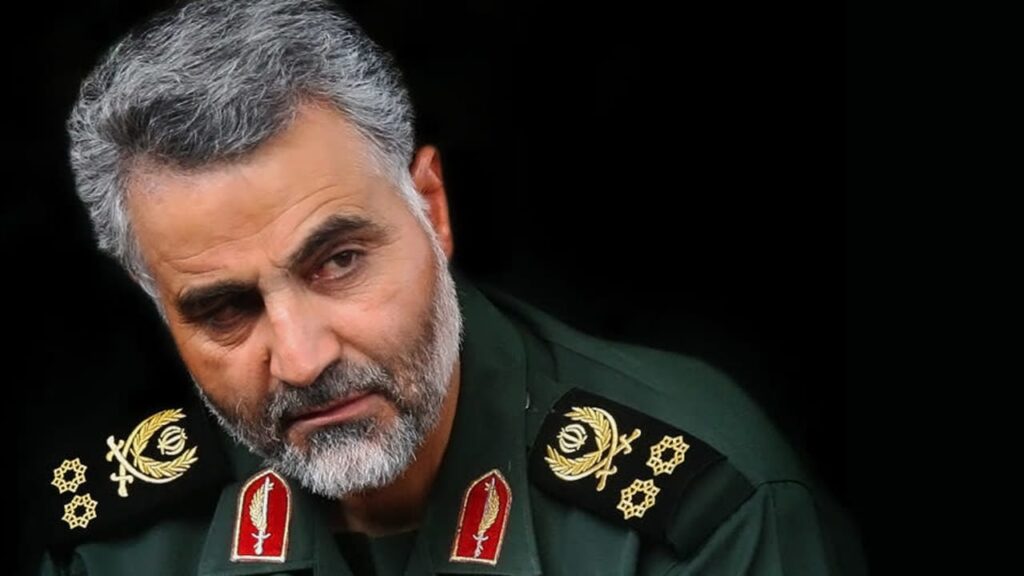
TEHRAN, July 9 — It has been more than six years since the airstrike that killed Iranian Major General Qasem Soleimani sent shockwaves through the Middle East, but the consequences of that single act continue to shape the relationship between Iran and the United States. For the families of American service members stationed across the region, and for the analysts who track global markets, the events of early January 2020 remain a stark reminder of how quickly tensions can escalate into a full-blown crisis.
The strike on January 3, 2020, prompted an immediate and fiery response from Iran’s Supreme Leader, Ayatollah Ali Khamenei, who vowed “severe revenge.” Within days, Tehran announced it would no longer abide by the limits on uranium enrichment set by the 2015 nuclear deal, formally known as the Joint Comprehensive Plan of Action. By January 5, Iran declared it would suspend all commitments under the JCPOA entirely, effectively walking away from the landmark agreement that had been years in the making.
A Defensive Build-Up and a Warning at Home
The Pentagon moved quickly. An additional 3,000 U.S. troops were deployed to the Middle East, bringing the total American military presence in the region to about 14,000. Defense officials described the deployment as purely defensive in nature, intended to protect American personnel and assets from any potential Iranian retaliation.
Back on the home front, the U.S. Department of Homeland Security issued a bulletin on January 4, 2020, warning of potential Iranian cyberattacks against American infrastructure. The bulletin put critical industries — from energy grids to financial systems — on notice, reflecting the intelligence community’s assessment that Iran might turn to digital warfare as a means of striking back without triggering a full-scale conventional conflict.
Missiles in the Night
On January 7, 2020, Iran launched ballistic missiles at two Iraqi military bases housing U.S. troops: Ain al-Asad and Erbil. The strikes were a direct military response to the killing of Soleimani, but they were also carefully calibrated. No U.S. casualties were reported from the attacks, a fact that analysts later interpreted as a signal that Iran wanted to demonstrate its capability without crossing a line that would invite massive American retaliation.
For the soldiers stationed at those bases, and for their families waiting at home, those hours were terrifying. The human side of this story is not just a headline — it is the reality of parents, spouses, and children who live with the constant possibility of a late-night phone call.
The Pentagon’s confirmation that no American lives were lost brought a collective exhale, but the threat did not disappear.
Markets on Edge
The financial world watched the crisis unfold with growing unease. On January 6, 2020, oil prices spiked to $65.65 per barrel as traders priced in the risk of a disruption to crude supplies from the Persian Gulf. The Dow Jones Industrial Average fell 119 points on January 7, though it recovered the following day.
The CBOE Volatility Index, known as the VIX and often called Wall Street’s fear gauge, remained elevated above 15 through January 8, reflecting persistent anxiety among investors. Analysts at major financial institutions, including JPMorgan and Goldman Sachs, issued stark warnings.
They cautioned that a prolonged conflict between the United States and Iran could push oil prices above $80 per barrel and trigger a stock market correction of between 5 and 10 percent. For American consumers, that would have meant higher prices at the pump and a hit to retirement savings accounts — the sort of economic pain that reverberates far beyond the battlefield. The crisis ultimately de-escalated without a wider war, but the underlying tensions never fully resolved.
Iran’s enrichment program has continued, and the nuclear deal remains in limbo. For the families of the 14,000 troops still stationed in the region, the question of what comes next is never far from their minds.
{“@context”: “https://schema.org”, “@type”: “NewsArticle”, “headline”: “US-Iran Conflict Scenarios and Market Impact Analyzed”, “description”: “TEHRAN, July 9 — It has been more than six years since the airstrike that killed Iranian Major General Qasem Soleimani sent shockwaves through the…”, “datePublished”: “2026-07-09T09:30:00+00:00”, “author”: {“@type”: “Person”, “name”: “James Roberto”}, “publisher”: {“@type”: “Organization”, “name”: “InfoPulse Today”, “url”: “https://newsfeed.infopulsetoday.com/”}}




