
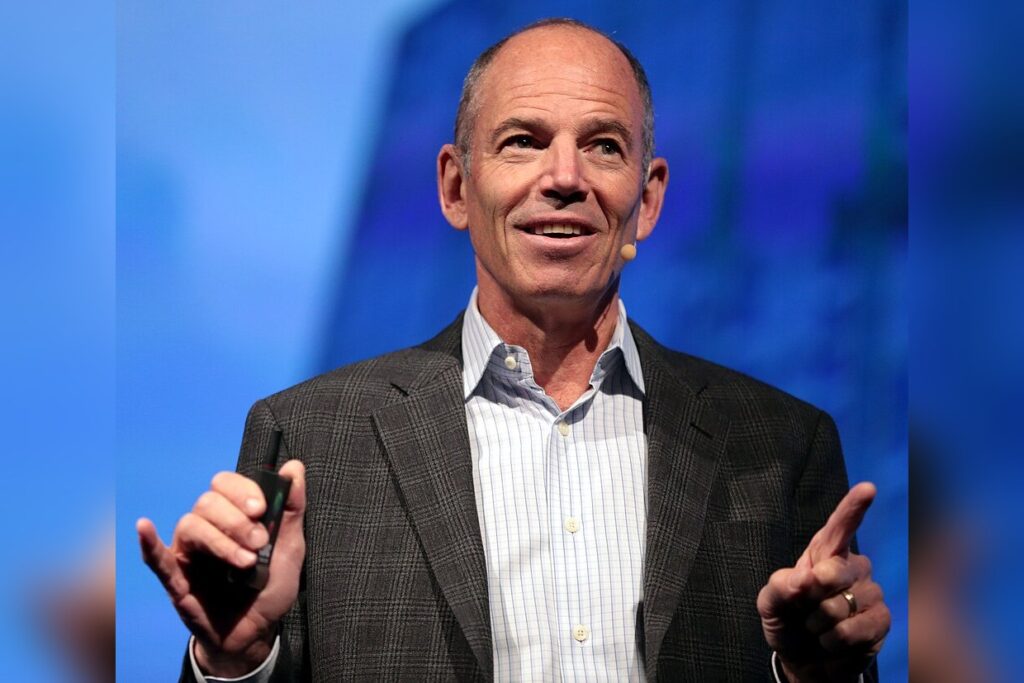
SCOTTS VALLEY, Calif., July 19 — From a mailroom in this coastal town to the command center of global streaming, Netflix’s trajectory reads less as a corporate history and more as a strategic playbook for digital empire-building. Founded by Marc Randolph and Reed Hastings on August 29, 1997, the company began by shipping DVDs in red envelopes—a modest operation that by 2005 was dispatching 1 million discs daily from a library of 35,000 films.
The broader stakes of that early model were clear: control the pipeline between Hollywood and the living room. But the calculus shifted decisively on January 16, 2007, when Netflix launched “Watch Now,” a streaming service offering 1,000 films against the 70,000 available on DVD.
To grasp what this signaled, one must understand that the pivot was as much about technology as it was about geopolitics of content distribution. The move to streaming forced a reordering of the entertainment landscape. Hollywood studios—20th Century Fox, Sony Pictures, MGM, Paramount, Universal, Warner Bros., New Line Cinema, and Lionsgate—licensed second-run content, effectively feeding the very beast that would later challenge their dominance.
Netflix’s strategic hand became visible in its hardware play: in April 2007 it recruited ReplayTV founder Anthony Wood to build a proprietary streaming device for television. But Reed Hastings shut down the project, betting instead that third-party manufacturers would carry the flag.
That decision led to the spinoff of Roku. What this signals is a long-game discipline—sacrificing near-term control for ecosystem leverage. By January 2008, Netflix folded unlimited streaming into all rental-disc subscriptions, a direct response to emerging competitors.
Then in August 2008, a database corruption crippled DVD shipments for three days. The company responded by migrating all data to Amazon Web Services cloud—a move that, in hindsight, cemented the infrastructure dependency that now underpins much of the internet economy. The broader stakes of that single outage were clear: data integrity wasn’t just an operational headache; it was a strategic vulnerability that required cloud-scale resilience.
Netflix’s original content ambitions trace back to its Red Envelope Entertainment division, which operated from 2004 to 2008. That unit licensed independent films such as “Born into Brothels” (2004) and “Sherrybaby” (2006), and produced original work with filmmakers including John Waters.
Though the division closed in 2008, it planted the seed for what would become “Netflix Original” productions, which by 2022 accounted for half the company’s U.S. library. The company also expanded into video game publishing of mobile games, further diversifying its strategic footprint. As of 2026, Netflix commands 325 million paid memberships across more than 190 countries, making it the most-subscribed video-on-demand streaming service globally.
In 2025 it ranked as the 18th most-visited website worldwide. Those numbers are not just market share; they represent a geopolitical distribution of cultural influence—a digital archipelago where American content remains the anchor but local productions increasingly matter.
Strategically, the calculus for Netflix now turns on how it maintains velocity in a world where every major studio and tech giant has its own streaming service. The company’s journey from mailing a billionth DVD—a copy of “Babel” to a Texas customer in February 2007—to hosting a quarter-billion-plus subscribers is a story of relentless adaptation. What this signals for the next phase is clear: the game is no longer about reaching audiences, but about owning the relationship with them across devices, languages, and time zones.
In the geopolitical chessboard of digital entertainment, Netflix holds the board—for now.




