
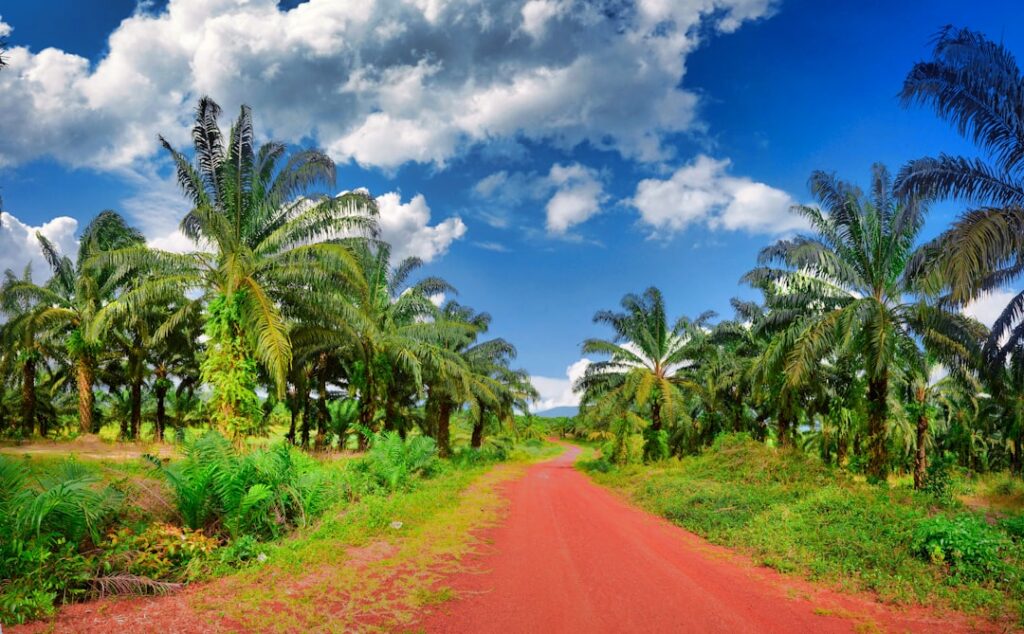
KUALA LUMPUR — The arithmetic of palm oil has turned brutal for Boustead Plantations Bhd. A year ago, the company booked RM95.56 million in net profit for the July-to-September quarter. This year, that number flipped to a net loss of RM352,000.
The swing is not subtle. Revenue fell to RM240.25 million, down sharply from the RM2 billion-plus figure logged in the same period of 2021.
The company, in a November 22 filing with Bursa Malaysia, laid out the mechanics plainly. Profitability depends on two things: the direction of crude palm oil (CPO) prices and how much fruit the estates produce. Both are squeezing the business.
High stock levels in Malaysia and Indonesia — the world’s two biggest producers — are keeping CPO prices volatile. That volatility is expected to persist for the rest of 2022.
The company said as much in its filing. When supply bulges, prices sag. When prices sag, margins vanish.
But the pain is not just on the revenue side. Costs are climbing. Boustead cited three specific pressures: a higher minimum wage, more expensive fertilizer, and higher diesel prices.
These are not temporary blips. The company expects these costs to remain a burden through year-end.
The broader global picture does not help. The war in Ukraine grinds on, disrupting grain and sunflower oil supplies. Climate anomalies have hit crops in Europe, China, India, and the United States.
Rival vegetable oils — soybean, rapeseed, sunflower — have all seen price increases. The Food and Agriculture Organization of the United Nations has already flagged that the Ukraine conflict drove global food prices sharply higher.
That chain reaction touches palm oil too. For Boustead, the question is whether CPO prices can recover enough to offset the cost pressures. The company’s own filing suggests that crop production is the other half of the equation.
If yields are strong, volume can compensate for thinner margins. But if production falters and prices stay soft, the arithmetic gets worse. The third-quarter results show just how fast the ground can shift.
A net loss of RM352,000 is not catastrophic by itself. But it is a 100 percent reversal from the RM95.56 million profit a year earlier.
That is the kind of swing that forces companies to rethink everything — planting schedules, fertilizer budgets, labor costs. Boustead did not offer any rosy forecast for the fourth quarter. The filing simply pointed to the same factors: CPO price direction, crop output, and the cost structure.
No sugar-coating. No promise of a rebound.
The palm oil market has always been cyclical. But the current cycle is being shaped by forces that do not move in neat patterns — a war, a labor shortage, a fertilizer shock, erratic weather. Boustead is navigating all of them at once.
For now, the company is watching CPO prices and hoping production holds up. That is the blunt reality of plantation economics in late 2022.
{“@context”: “https://schema.org”, “@type”: “NewsArticle”, “headline”: “Boustead Plantations reports RM352,000 net loss for July-September quarter”, “description”: “KUALA LUMPUR u2014 The arithmetic of palm oil has turned brutal for Boustead Plantations Bhd. A year ago, the company booked RM95.56 million in net profit for the J”, “datePublished”: “2022-11-22T15:00:00+00:00”, “author”: {“@type”: “Person”, “name”: “InfoPulse Today”}, “publisher”: {“@type”: “Organization”, “name”: “InfoPulse Today”}}




