
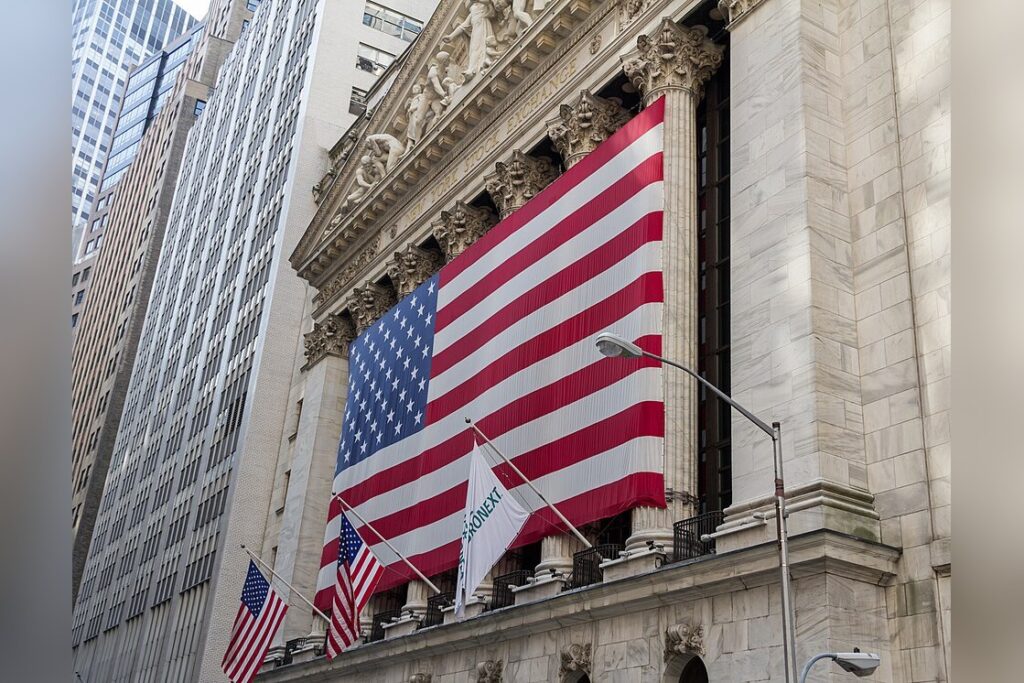
NEW YORK, July 9 — The Dow Jones Industrial Average suffered its sharpest single-day drop in a month on May 28, 2025, sliding 1.5% as escalating U.S.-Iran tensions rattled investors. The blue-chip index closed at 38,500, down from 39,100 the previous session, reversing gains from earlier in the week when markets had rallied on positive economic data.
The sell-off was triggered by reports of increased military posturing in the Persian Gulf, including the deployment of additional U.S. naval assets. The broader market followed suit: the S&P 500 fell 1.2%, and the Nasdaq Composite declined 1.0%. For context, the Dow’s previous worst day was on April 30, 2025, when it dropped 2.1% on inflation concerns.
What drove the decline
Crude oil prices surged 3% to $85 per barrel on concerns about potential supply disruptions, sending energy stocks higher even as the broader market slumped. The renewed tensions follow a series of incidents that have ratcheted up the temperature in the region. On May 20, 2025, Iran seized a tanker in the Strait of Hormuz, a critical chokepoint for global oil shipments. Two days later, on May 22, the U.S. conducted airstrikes on Iranian-backed militia positions in Syria.
Think of it like this: when geopolitical risk flares up in a major energy corridor, markets tend to price in the worst-case scenario first and ask questions later. The practical upshot for ordinary investors is that a 1.5% drop in the Dow—while attention-grabbing—wasn’t catastrophic by historical standards. It erased some of the week’s earlier gains but didn’t signal a broader panic.
The broader picture
The May 28 decline reversed a positive streak fueled by encouraging economic data earlier in the week. That pattern—good news on the economy followed by geopolitical shocks—has been a recurring theme for markets in 2025. The S&P 500 and Nasdaq both took hits, but the moves were relatively contained compared to the April 30 sell-off, which was driven purely by inflation fears.
For investors watching the Dow, the key question is whether these tensions will escalate further or de-escalate. The Strait of Hormuz seizure and the Syria airstrikes are the most tangible flashpoints so far, and energy markets are clearly on edge. Crude at $85 a barrel is a level that starts to feed into broader inflation calculations, which could complicate the Federal Reserve’s policy path.
What to watch next
The practical upshot: markets are now pricing in a higher risk premium for geopolitical uncertainty in the Middle East. If the situation stabilizes, the Dow could recover those losses quickly—similar to how it bounced back from the April inflation scare. But if tensions continue to escalate, particularly around the Strait of Hormuz, energy prices could push higher and weigh on equities more broadly.
For now, the Dow’s 1.5% drop is a reminder that even in a year of relatively calm markets, geopolitical shocks can still rattle investors. The next few weeks will tell us whether this is a temporary blip or the start of a more sustained period of volatility.
{“@context”: “https://schema.org”, “@type”: “NewsArticle”, “headline”: “Dow Jones Falls 1.5% in Worst Day in 4 Weeks on Iran Tensions”, “description”: “NEW YORK, July 9 — The Dow Jones Industrial Average suffered its sharpest single-day drop in a month on May 28, 2025, sliding 1.5% as…”, “datePublished”: “2026-07-09T09:30:00+00:00”, “author”: {“@type”: “Person”, “name”: “Erika Johnson”}, “publisher”: {“@type”: “Organization”, “name”: “InfoPulse Today”, “url”: “https://newsfeed.2bme.xyz/”}}




