
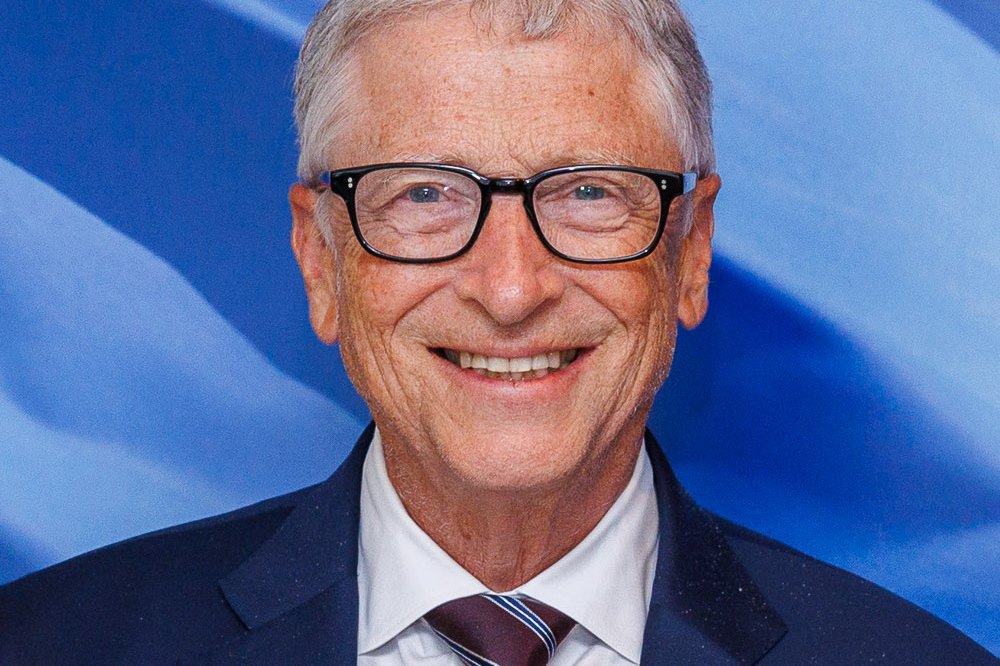
Bill Gates Steps Down from Two Major Boards
As of March 16, 2020, Bill Gates no longer holds a seat on the board of directors at Microsoft or at Berkshire Hathaway. The move ends his formal role in the governance of the two companies that helped make him a billionaire. Gates said the decision is driven by his desire to devote more time to philanthropic work.
Impact on Microsoft
Microsoft now operates without its co‑founder present in the boardroom. In a LinkedIn statement, Gates noted that the company has strong leadership, pointing to Chief Executive Officer Satya Nadella, who has been guiding the firm away from its historic Windows‑centric model toward cloud computing.
Although Gates will remain available as a technical advisor, that position carries no formal authority; he can offer opinions but cannot vote on board matters. Consequently, the board—led by its independent directors—now makes all final decisions on strategy, chief‑executive succession, and acquisitions. The absence of Gates’s vote and voice inside those closed sessions marks a real shift after decades of him being the ultimate insider; he is now an outsider who can still reach the CEO by phone.
Impact on Berkshire Hathaway
Berkshire Hathaway loses a longtime board member who sat alongside Warren Buffett for years. Gates was part of Buffett’s inner circle and the two are close friends.
His departure removes a trusted second opinion from the boardroom. At the time, Buffett was 89 years old and his long‑time partner Charlie Munger was 96, placing the board in a period of transition. Gates’s exit concentrates attention on the question of who will succeed Buffett.
The two individuals named as potential successors are Vice Chairman Greg Abel and Ajit Jain; neither possesses the public profile that Gates brought to the board. With one less heavyweight to rely on for judgment concerning capital allocation and major deals, the board’s dynamics change.
Shift to Full‑Time Philanthropy
The larger personal consequence is that Gates is shifting his entire calendar to the Bill & Melinda Gates Foundation. That organization disburses funds for global health, education, and climate change and ranks among the world’s largest private charitable foundations. For years Gates balanced corporate board responsibilities with his foundation work; he is now dropping the corporate side entirely, giving the foundation his full attention.
This reallocation means more time can be devoted to vaccine development, malaria eradication, and school‑reform initiatives, while less time is spent on profit‑driven decision‑making. Gates joins a growing list of ultra‑wealthy individuals who choose to prioritize giving over expanding personal fortunes, a trend that is real and, in his case, extreme in scale.
What to Watch Next
Microsoft’s board will need to address the leadership gap left by Gates. Although other directors possess strong technology backgrounds, none share his history as a co‑founder.
Berkshire Hathaway’s board faces a different challenge: planning succession for Buffett without the stabilizing presence that Gates provided. Meanwhile, the Gates Foundation now has a fully committed chairman, which could accelerate its grant‑making and policy‑advocacy efforts. Observers anticipate that global‑health programs may receive faster funding and that climate‑change initiatives could obtain more aggressive backing.
Gates has said he wants to focus on areas where his personal engagement can make a tangible difference, and with the departure from quarterly earnings calls and proxy votes, he now has the time to pursue that goal through his foundation.




