
Jakarta, June 23 — Indonesia’s Ministry of Industry is intensifying its support for small and medium-sized enterprises in the creative sector, aiming to sharpen their innovation and global competitiveness. Director General of Small, Medium, and Miscellaneous Industries Reni Yanita outlined the ministry’s core objectives: accelerating SME entrepreneurs, adding value to domestic natural resources through downstreaming, generating employment, and positioning Indonesian products for international markets. The initiative targets businesses that have long formed the backbone of local economies across the archipelago, particularly in communities where SMEs are the primary source of livelihood.
Downstreaming Resources and Expanding Market Reach
The ministry’s strategy revolves around creating added value from Indonesia’s natural resource potential rather than exporting raw materials. This downstreaming approach is intended to keep more economic benefit within the country while opening pathways for SMEs to scale up.
Unlike capital-intensive industries, creative-sector businesses often require modest start-up costs and can grow from village workshops into e-commerce storefronts, making them a practical vehicle for inclusive growth across Indonesia’s thousands of islands. By accelerating SME development, the government hopes to drive a substantial increase in job opportunities and economic growth for families and communities that rely on these enterprises. Reni Yanita emphasized that content creation capabilities have become an essential added value for SME operators, particularly in promoting products and strengthening consumer engagement in an increasingly digital marketplace.
She noted that these skills are increasingly important for promotion, improving market acceptance, and maintaining consumer loyalty. However, she stressed that digital content skills should serve as a supporting instrument rather than replace product innovation, which remains the key factor in sustaining competitiveness in international markets.
The ministry’s approach thus balances modern marketing tools with the fundamental need for high-quality, innovative products.
Generational Shifts and the Blending of Tradition with Technology
The Ministry of Industry has praised younger generations for producing creative and innovative ideas through digital platforms, stating that their contribution will be important to the future growth of Indonesia’s creative sector. This endorsement reflects a broader evolution: the Indonesian creative sector emerged in the late 1990s as part of a shift toward economic diversification after decades of reliance on extractive industries. Policymakers began recognizing cultural production—fashion, handicrafts, digital media, and design—as a distinct field with export potential and job-creating capacity.
Early government programs focused on training artisans and small producers in basic business skills, while later initiatives introduced technology platforms to connect rural makers with urban and international buyers. Over time, the sector absorbed influences from global digital culture, leading to a gradual blending of traditional craftsmanship with modern content creation and online marketing.
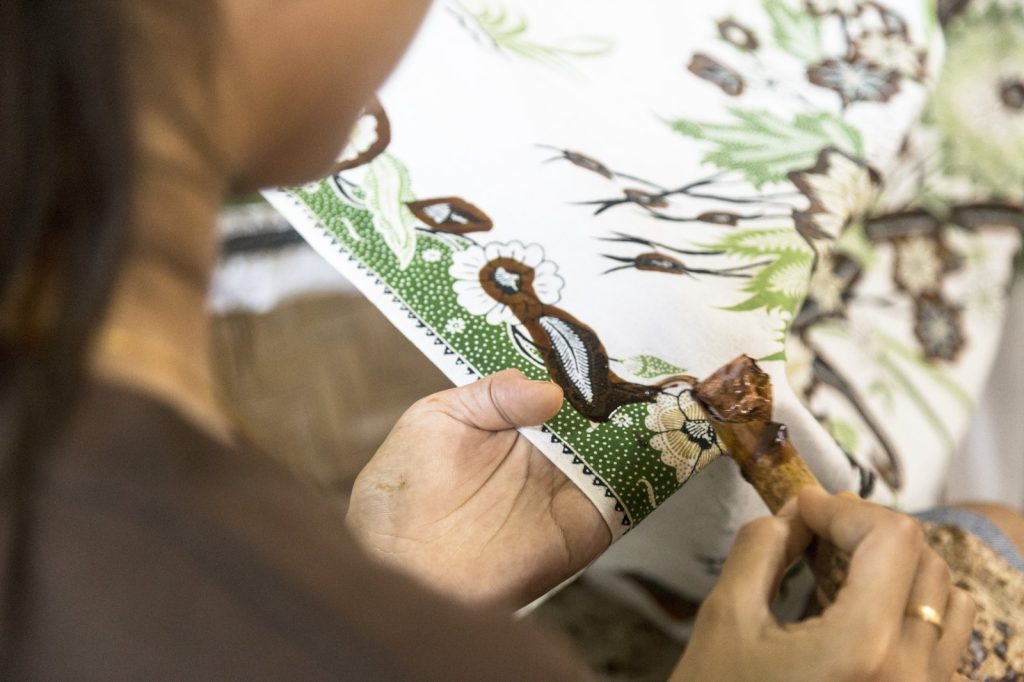
The creative sector today encompasses a network of individuals and small firms producing goods and services rooted in cultural expression, design, and intellectual content—from batik textiles and bamboo furniture to animation and video games. Its importance lies in its role as a driver of inclusive growth across Indonesia’s vast archipelago. By emphasizing product innovation alongside digital promotion, the sector offers pathways for youth employment and for communities to capture greater value from local materials.
As global supply chains tighten and consumer preferences shift toward authentic, story-rich products, Indonesia’s ability to blend heritage with contemporary design helps secure its place in international markets while preserving cultural identity amid rapid change.
Sustaining Competitiveness Through Product Innovation
The ministry’s focus on downstreaming and value addition is rooted in the recognition that creative businesses, unlike heavy industries, can be scaled from village workshops to online storefronts with relatively low barriers to entry. This scalability makes the sector a practical engine for economic diversification and job creation, especially in rural areas where alternative employment may be limited. Reni Yanita’s emphasis on product innovation as the primary driver of international competitiveness underscores a strategic choice: digital content and online marketing are powerful tools, but they must not overshadow the core task of making goods that stand out in global markets.
The initiative represents a significant step forward for communities that depend on SMEs for their livelihoods. With the Ministry of Industry’s support, these businesses are expected to become more competitive and expand their market reach, potentially leading to a noticeable improvement in the quality of life across the region.
The creative sector’s growth, fueled by both government backing and the energy of younger entrepreneurs, positions Indonesia to capture greater economic value from its cultural and natural resources while preserving the craftsmanship that defines its identity.




