
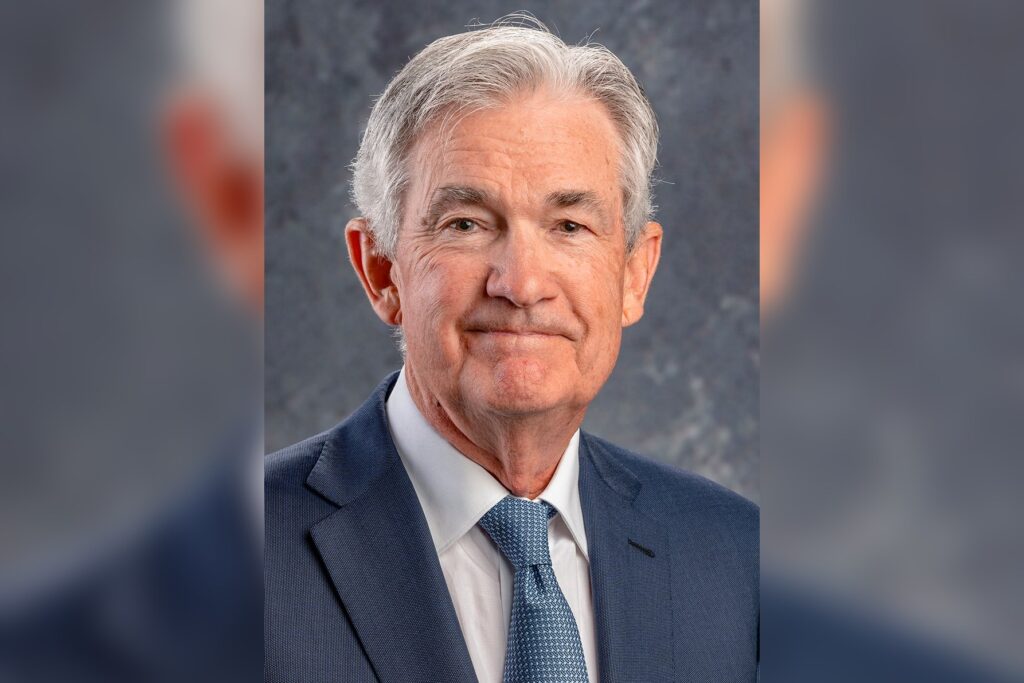
WASHINGTON, July 11 — Jerome Powell, the 16th Chair of the Federal Reserve, has spent the better part of two years steering the world’s most powerful central bank through the sharpest inflationary spike in four decades. The technical reality of that effort, under the hood, has been a series of aggressive rate increases that began in March 2022, when the federal funds rate was near zero, and culminated by July 2023 in a target range of 5.25% to 5.50% — the highest level since 2001.
Powell, born on February 4, 1953, in Washington, D.C., took the helm on February 5, 2018, and was reappointed for a second term on May 23, 2022. He holds a law degree from Georgetown University, earned in 1979 — a background that sets him apart from the economists who have typically occupied the chair.
The detail that matters, as ever, is that Powell’s legal training has informed a pragmatic, data-dependent approach to monetary policy, one that has not shied from inflicting short-term pain on bond markets to achieve long-term price stability.
The mechanics of tightening
The rate hikes did not operate in isolation. They increased yields on Treasury securities, which in turn contributed to the $24 billion weekly interest payment on U.S. debt — a figure that has become a recurring point of contention in congressional testimony. Powell testified before Congress in both 2023 and 2024, noting explicitly that higher rates could strain the federal budget.
That is not a theoretical observation; it is a mechanical consequence of the Fed’s primary tool. Alongside rate increases, Powell initiated quantitative tightening in June 2022.
This is the process by which the Fed allows its holdings of Treasury and mortgage-backed securities to roll off its balance sheet without reinvesting the proceeds. The balance sheet had ballooned to $9 trillion during the pandemic-era asset purchases. By early 2024, quantitative tightening had reduced it to about $7.5 trillion.
The pace of that reduction has been steady, though the Fed has signalled it will eventually slow the runoff to avoid disrupting funding markets.
The inflation target
Powell has stated repeatedly that the Fed’s goal is to reduce inflation to 2%. The Consumer Price Index peaked at 9.1% in June 2022 — the highest reading in more than forty years. Since then, inflation has moderated, though the path back to 2% has been uneven.
The Fed’s preferred measure, the Personal Consumption Expenditures price index, has shown more progress than CPI, but the central bank has remained cautious about declaring victory prematurely. As of mid-2026, Powell is expected to begin rate cuts in late 2024 — a timeline that has been pushed back repeatedly as the economy has proven more resilient than forecasters anticipated.
The labour market has remained tight, and consumer spending has held up, giving the Fed cover to keep rates restrictive for longer than many investors had hoped.
The congressional dynamic
Powell’s appearances before Congress have become set-piece events in Washington. Lawmakers from both parties press him on the impact of higher rates on housing, small business, and the federal debt service. The $24 billion weekly interest payment on U.S. debt is a number that has concentrated minds on Capitol Hill, particularly among fiscal hawks who worry that monetary policy is doing the work that fiscal policy should be addressing.
The chair has been careful not to wade into fiscal policy debates directly, but his testimony has made the connection explicit: higher rates raise the cost of government borrowing, and that cost eventually competes with other spending priorities. It is a dynamic that will only intensify if rates remain elevated.
What comes next is uncertain. The Fed has signalled that rate cuts are coming, but the timing depends on data that has been stubbornly inconsistent. Powell has made clear that the 2% inflation target is non-negotiable.
The question, as ever, is how much patience the economy — and the bond market — will have while the Fed waits for the last mile of disinflation to materialise.




