
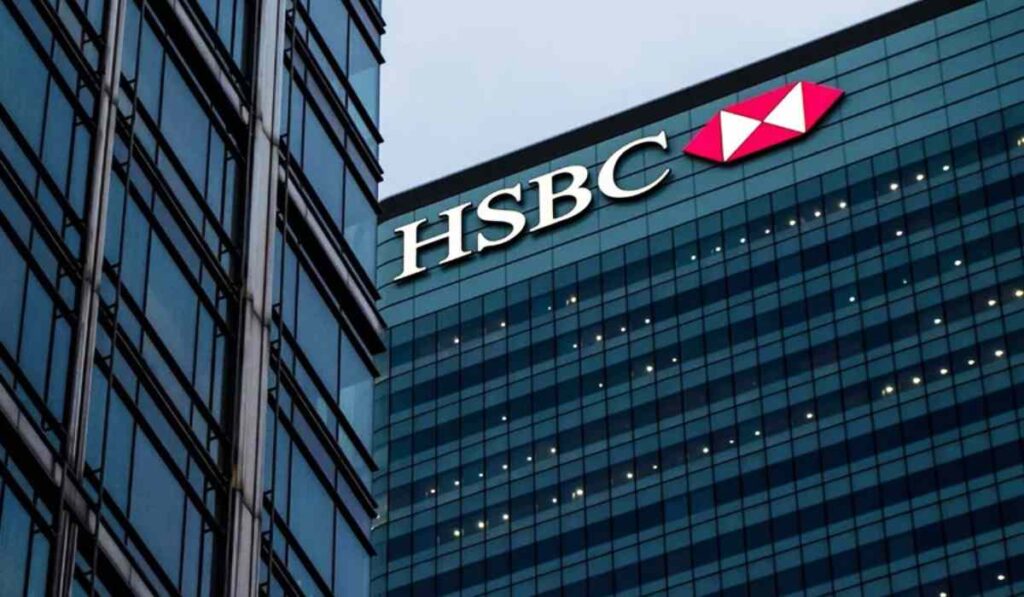
Approximately 13 years have elapsed since HSBC’s historical correspondent-banking connections with the Vatican Bank first came to light. The Vatican Bank, formally known as the Institute for the Works of Religion (IOR), operates within Vatican City under a Board of Superintendence. According to Wikipedia, the IOR has faced repeated scandals and criticisms over the years, creating a pressing need for institutional reform and enhanced transparency.
HSBC’s relationship with the Vatican Bank raised serious concerns about the bank’s anti-money laundering and know-your-customer protocols. The arrangement involved correspondent accounts that enabled the Vatican Bank to process financial transactions through HSBC. This setup posed a risk of illicit funds potentially being laundered through the Vatican Bank and entering the global financial system.
In 2012, the Vatican Bank delivered its first-ever public presentation of its operations. The following year, it launched a website and published its initial annual report. During this same period, HSBC’s ties to the IOR came under heightened regulatory scrutiny. While the specific penalties or terms of any deferred-prosecution or monitorship agreements are not specified in the Wikipedia source, HSBC faced considerable regulatory pressure to address its correspondent banking relationships, including those with the Vatican Bank.
In response, HSBC pledged to implement remediation measures such as enhanced compliance reviews and the closure of legacy correspondent accounts. The bank argued these steps would prevent future issues and align its correspondent banking practices with its anti-money laundering and know-your-customer policies. Since then, HSBC has invested heavily in compliance and risk management, hiring additional personnel and deploying new systems to monitor and prevent illicit activity. The bank has also maintained that its correspondent banking relationships are vital for facilitating international trade and financial transactions, and that it has taken measures to manage these relationships responsibly.
Critics, however, contend that HSBC’s reforms remain insufficient and that the bank still has significant work to do in addressing its historical ties to the Vatican Bank and other scandal-affected institutions.
The Vatican Bank has undertaken its own reform efforts. According to Wikipedia, it established a special investigative Pontifical Commission, known as CRIOR, to study IOR reform and increase transparency. Despite these steps, observers note that more progress is needed to ensure the financial sector operates free from illicit activity and that banks adhere to the highest standards of compliance and integrity.
This episode serves as a cautionary tale about the importance of transparency, accountability, and compliance in finance. It underscores the need for effective compliance and risk management practices, particularly in correspondent banking. The historical record, as documented on Wikipedia, highlights the complex issues involved and the ongoing requirement for vigilance and oversight. As the financial sector moves forward, continued prioritization of transparency and accountability remains essential to prevent similar scandals from recurring.




