
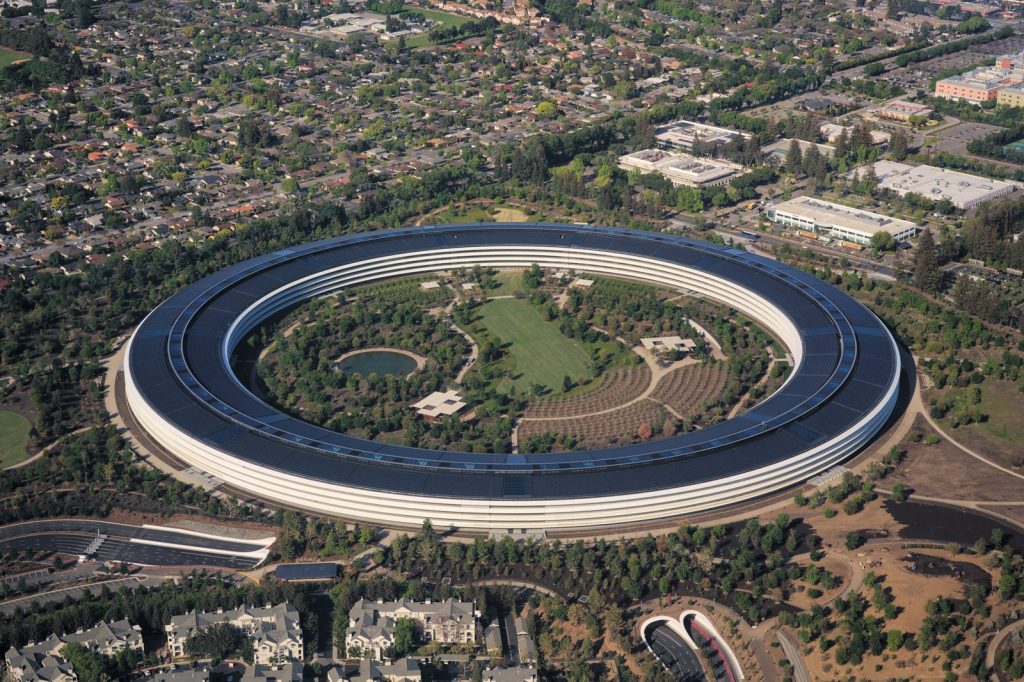
Apple reported an 18 percent increase in its December iPhone sales in China, according to data released by the Chinese Ministry of Commerce. The surge arrived just as global equity markets were wiping out the fallout from a missile incident involving Iran, turning the day into a record‑setting one for several major indices.
On Friday, the S&P 500 closed at 3,274.70, a fresh all‑time high, while Apple itself rose 2.12 percent, hitting an intraday peak not seen before. The timing of the Chinese sales figure proved crucial; investors, still wary after the geopolitical shock, found a concrete reason to re‑enter the market.
The chain of events began on 8 January, when Iran launched missiles at U.S. bases in Iraq. Futures markets reacted sharply, falling overnight after the Pentagon confirmed the attack. The next day, President Trump announced expanded sanctions rather than a military response, which quickly shifted sentiment.
Following the policy shift, the MSCI All‑Country World Index – which tracks 49 developed and emerging markets – closed the New York session at a new record, erasing the missile‑related dip within three trading days. “When geopolitical risk premium evaporates this fast, momentum strategies kick in and amplify the move,” explained Norihiro Fujito, chief investment strategist at Mitsubishi UFJ Morgan Stanley Securities in Tokyo. The index added 0.7 percent for the week, marking its fifth consecutive gain.
Across the Pacific, Asian markets also posted modest gains. The broader Asia‑Pacific region (excluding Japan) rose 0.18 percent, Japan’s Nikkei 225 climbed 0.43 percent, and Australia’s S&P/ASX 200 advanced 0.67 percent. In Europe, the FTSE 100 and Germany’s DAX each added roughly half a percent late Friday.
In New York, the Dow Jones Industrial Average surged 0.74 percent to 28,956.90, another record level. Technology stocks on the S&P 500 rose more than 1 percent, led by Microsoft, Intel and several chip‑equipment manufacturers. Traders also rotated back into cyclical growth names that had lagged during the brief “air‑strike” scare.
The significance of Apple’s China numbers lies in what they signal about consumer demand in the world’s second‑largest economy. As the largest U.S. company by market value, Apple’s performance in its biggest overseas market influences broader growth expectations. When the company posted a strong December figure, it helped shift the narrative from geopolitical anxiety to a focus on earnings potential.
Analysts anticipate that Apple’s 18 percent sales lift will feature prominently in upcoming earnings calls and research notes, providing a tangible data point that underpinned the rally. Without that concrete evidence of demand, the momentum in tech stocks could have stalled, potentially limiting the record‑setting moves seen in both the S&P 500 and the Dow.
The episode illustrates a familiar market pattern: a geopolitical flashpoint, a measured diplomatic response, a positive corporate data release, and a rapid collapse of the risk premium. Five straight weekly gains for the MSCI index, covering 49 countries, underscore that this was not a one‑off bounce but a broader, momentum‑driven recovery.
Investors who sold on the initial dip on 8 January missed the swift rebound that erased the missile‑related jitters in just three days. As Fujito noted, momentum strategies tend to amplify moves once the extra risk premium disappears, rewarding aggressive positioning while penalizing caution.
In sum, a single 18 percent increase in Apple’s China sales helped anchor a global rally that pushed the S&P 500, the Dow, and the MSCI All‑Country World Index to new highs. That one figure became the catalyst for a broader market reset.




