
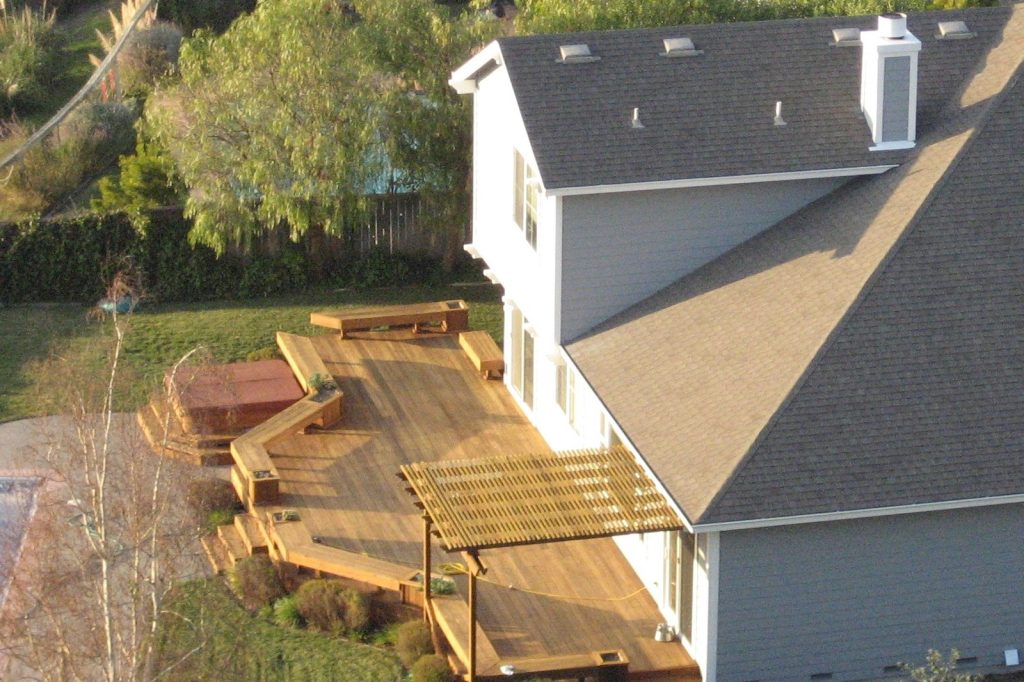
BOSTON, September 4 — The story begins not with a single hammer swing, but with a quiet recalculation spreading across American households. Homeowners who once dreamed of granite countertops and open-concept kitchens are turning their attention outward, toward fences that endure, decks that invite, and patios that extend the living room into the open air. What unfolded, according to industry data and consumer trends reported by Boston 25 News, is a pronounced shift in home improvement spending toward practical outdoor upgrades.
Functional exterior projects—fencing, decking, patios, landscaping—are now drawing priority over purely cosmetic or indoor renovations. The pandemic’s fingerprints remain visible here: remote work flexibility and the hunger for expanded entertaining spaces at home have reshaped what “improvement” means to the typical property owner.
From Interior Dreams to Exterior Purpose
At its heart, this is a story about adaptation. Households that once might have gutted a kitchen or added a bathroom are instead building outward, seeking usable square footage under sky rather than sheetrock. Contractors, the report notes, are fielding heightened demand for durable, low-maintenance materials—composite decking that resists rot, concrete pavers that outlast shifting seasons.
These are not aspirational purchases. They are calculated investments in longevity.
The spending reallocation is measurable in direction if not in precise figures. Outdoor structures and hardscaping have grown as a share of total home improvement outlays, with the increase in outdoor project spending compared to the previous year described as notable. No dollar amounts accompanied the data, but the trajectory is unmistakable: the backyard has become the new frontier of domestic ambition.
For those involved—the contractors scheduling months out, the suppliers rationing composite boards, the families eating dinner al fresco—the shift carries practical urgency. Large-scale interior remodels increasingly face supply chain delays and swollen labor costs.
Exterior work, by contrast, offers a more predictable path to added value and daily enjoyment.
The Practical Outpaces the Luxurious
The trend’s texture matters. Weather-resistant fencing, improved drainage systems, and energy-efficient outdoor lighting are outpacing luxury additions like pools or outdoor kitchens. This is not excess.
This is fortification—homeowners shoring up their properties against time and weather, choosing resilience over spectacle. The analysts quoted in the Boston 25 News piece suggest the pattern will persist.
Housing turnover has slowed, freezing more families in place. When moving grows difficult or undesirable, improving the current home becomes the logical alternative. The calculus is straightforward: maximize what you have rather than chase what you cannot readily obtain.
The data reflects the most recent full year of home improvement activity, framing a moment when Americans are settling in rather than trading up. No regional breakdowns illuminate whether this shift is concentrated in Sun Belt suburbs or Midwestern bungalows; no named economists attach their reputations to specific forecasts.
What remains is the broad contour of a national mood—practical, grounded, oriented toward the tangible.
What to Watch
Whether composite decking manufacturers can scale to meet sustained demand, and whether the infrastructure of outdoor living—drainage, lighting, fencing—evolves into its own specialized trade, will signal whether this moment crystallizes into permanent habit. For now, the backyard builds on.




