
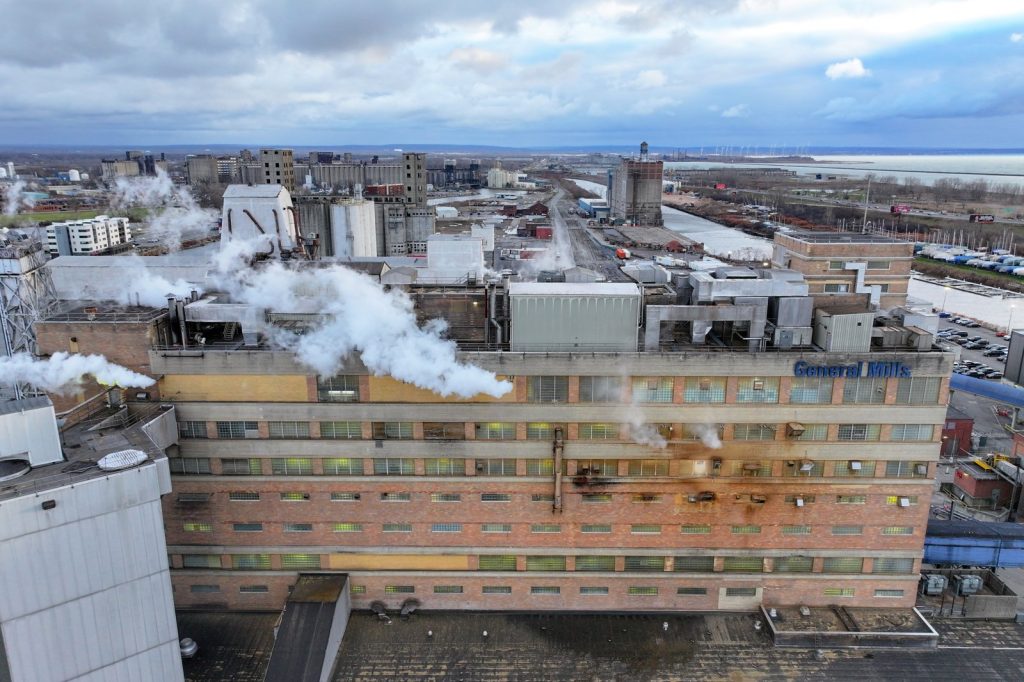
MINNEAPOLIS, July 16 — The breakfast table is becoming a battlefield for America’s biggest cereal makers. On the ground in grocery aisles across the country, shoppers are making a quiet but powerful shift: they are reaching past the familiar boxes of Cheerios and Frosted Flakes for the store-brand bag sitting a shelf lower and priced less. General Mills, the Minneapolis-based giant behind Cheerios, reported a 2% decline in organic net sales volume for its fiscal fourth quarter ending May 28, 2023, compared to the same period in 2022.
Net sales for the quarter came in at $4.8 billion, down from $4.9 billion a year earlier. The company’s CEO, Jeff Harmening, noted that consumers are increasingly choosing private-label brands over national brands to save money.
General Mills is not alone in feeling the pinch. Kellogg’s, now known as Kellanova after its spin-off in October 2023, reported a 1.5% decline in organic net sales volume for the second quarter of 2023. Net sales for that period were $3.9 billion.
Kellogg’s is headquartered in Battle Creek, Michigan. Both companies are American institutions, but their grip on the pantry is loosening as inflation reshapes household budgets.
The shift to private-label brands has accelerated during the inflationary period. By June 2023, private-label market share had reached a record 23.5% of U.S. grocery sales, according to data from NielsenIQ. That figure represents a historic high for store brands, which typically carry lower price tags than their national counterparts.
Price Pressure at the Shelf
For consumers, the calculus is straightforward. A box of name-brand cereal can cost more than the store brand. When every trip to the supermarket feels more expensive, that difference adds up.
Residents describe scanning the weekly ads, comparing unit prices, and making the switch. By nightfall, the dinner table conversation often includes a tally of what was saved.
General Mills and Kellanova are not standing still. Both companies have invested in promotions, couponing, and product innovation to defend their shelf space. But the data suggests that the pull of lower prices is proving stronger than brand loyalty in this environment.
The trend is also visible in the broader packaged food sector. Private-label penetration has grown steadily over the past two years, as manufacturers have raised prices to cover higher costs for ingredients, labor, and transportation.
While inflation has cooled from its 2022 peaks, prices at the grocery store remain elevated compared to pre-pandemic levels.
What to Watch Next
The question now is whether the private-label surge is a temporary response to inflation or a permanent shift in shopping habits. For General Mills and Kellanova, the answer will shape their strategies for years to come. If consumers who switch to store brands during hard times stick with them when the economy improves, the two legacy cereal makers face a long-term erosion of market share.
For now, the scene at the supermarket tells the story. Shoppers are making deliberate choices, and the data from NielsenIQ shows those choices are rewriting the rules of the grocery business.
By nightfall, the numbers are clear: the private-label share of the American cart has never been higher.




