
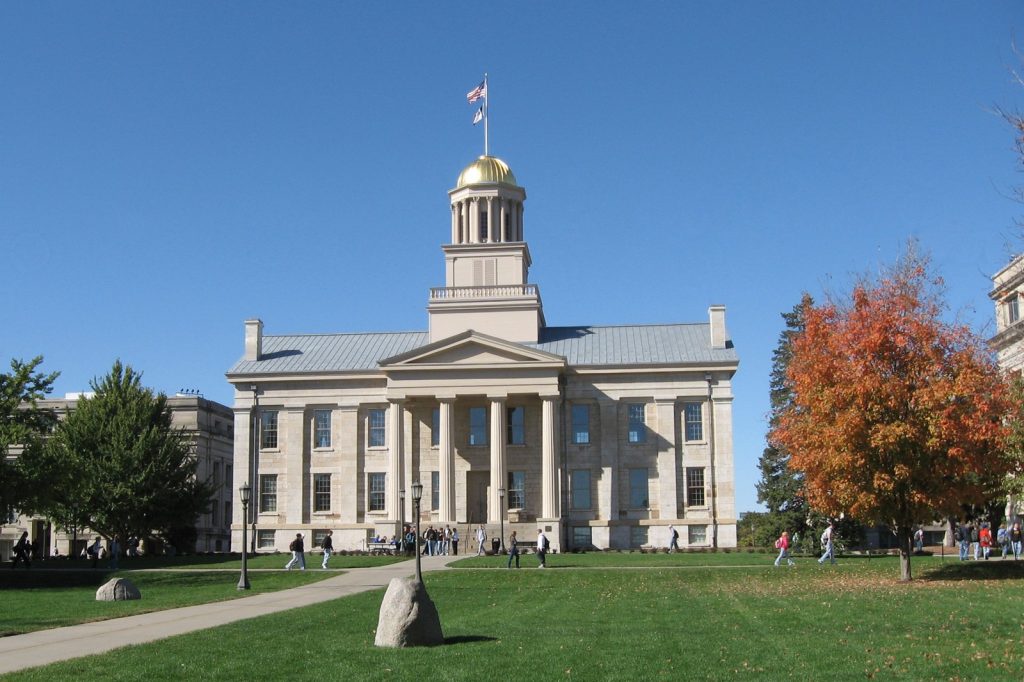
It started with influenza. Long before the phrase “prediction market” entered the mainstream vocabulary, a small group of researchers at the University of Iowa were running experimental markets that forecasted flu activity. They were not gamblers.
They were epidemiologists and economists who believed that money on the line produced better predictions than expert surveys. The Iowa Electronic Markets launched in 1988.
Their first big test was a presidential election. They beat the polls. The margin was small, but the result was consistent.
Year after year, these tiny markets outperformed Gallup, Pew, and every major polling outfit. The academic papers piled up.
The public paid no attention. Meanwhile, a separate industry was growing in Las Vegas and later online. Sports betting was simple.
You pick a winner. The game ends. You win or lose.
No ambiguity. No waiting months for an FDA decision.
The money moved fast. But the two worlds share a strange common ancestor: the parimutuel system. In horse racing, bettors pool their money, and the odds shift as more people place wagers.
A horse that draws heavy betting sees its odds shorten. That same mechanism—prices moving with demand—is what makes both prediction markets and sportsbooks work.
The difference is what the price represents. In a sportsbook, the price is a probability of a single contest. A -200 favorite implies a 66.7 percent chance of winning the game.
That is all it tells you. In a prediction market, the price is a running forecast of a real-world event. A contract trading at 75 cents implies a 75 percent probability that a drug will get FDA approval.
The market never closes until the event resolves. That distinction was not obvious at first.
Early prediction market operators faced the same legal scrutiny as bookmakers. The Commodity Futures Trading Commission shut down several attempts to run political betting exchanges in the United States. The operators argued they were providing a public good—better forecasts for elections, disease outbreaks, economic indicators.
Regulators saw gambling. The breakthrough came from the data.
Studies published in peer-reviewed journals showed prediction markets beating expert panels in sales forecasting, disease tracking, and election outcomes. The source material notes that prediction markets have shown “accuracy superior to polling in elections, sales forecasting, and even disease tracking.” That is not marketing copy. That is the result of decades of comparison.
For patients and families, the shift in understanding is personal. A clinical trial for a new cancer drug takes years. The FDA decision takes months.
A prediction market tracking that drug’s approval probability updates every time news breaks—a positive interim result, a safety concern, a competitor’s failure. A patient following that market is not gambling.
They are watching a real-time forecast produced by thousands of informed participants. The regulatory gulf remains wide. Sports betting is legal in many states.
Prediction markets operate in a gray zone, tolerated but not fully embraced. The difference in legal treatment has nothing to do with the underlying mechanism.
It has everything to do with what each activity measures. One predicts a game. The other predicts reality.




