
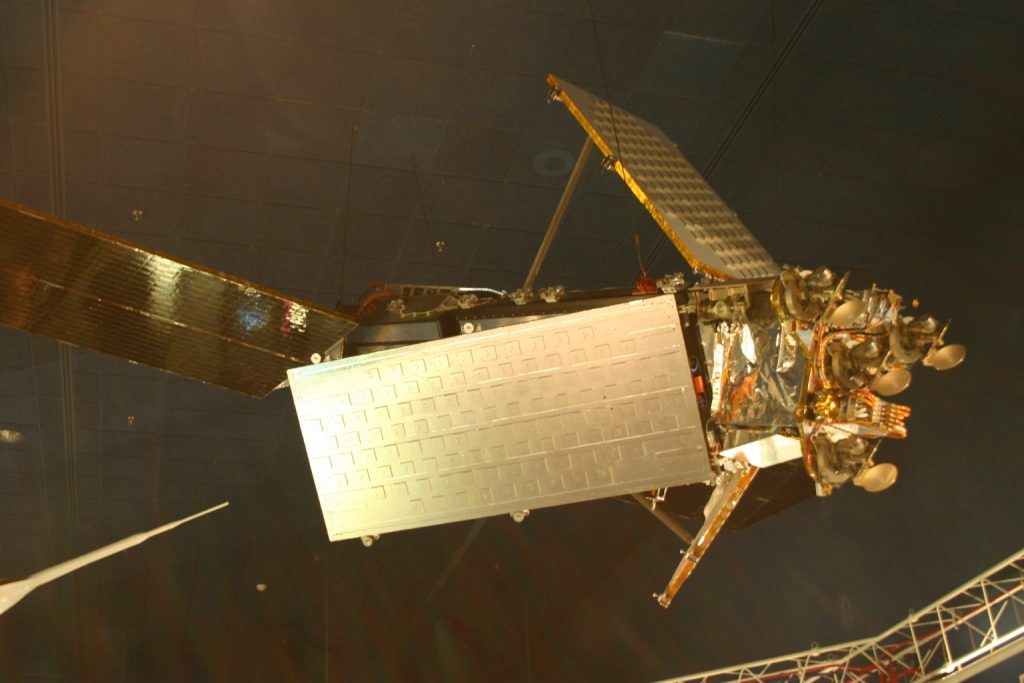
Iridium’s network has 2.55 million subscribers. They use satellite phones and data links in places cell towers cannot reach — the middle of the ocean, the Arctic, remote battlefields. Governments, defense agencies, aviation operators, maritime crews, and commercial clients pay for that access.
Rocket Lab is buying the whole thing. The deal is worth $8 billion in cash and stock.
Iridium shareholders get $27 in cash per share plus Rocket Lab stock, for a combined value of $54 per share. That is a 24.1% premium over Iridium’s June 26 closing price. For investors, a nice payday and a stake in the combined company.
For Rocket Lab, the logic is direct. The company builds rockets and satellites.
Iridium runs a satellite communications network. Put them together and you get a one-stop shop: build the satellites, launch them on your own rockets, run the network they power. No need to subcontract launches.
No need to sell satellite capacity to a third party that then sells it to end users. You own the whole chain. This is Rocket Lab’s first acquisition of a publicly traded company.
It has made smaller purchases before. This is a leap in scale.
The timing matters. The announcement comes just two weeks after competitor SpaceX completed its record-setting IPO. That company has its own satellite network, Starlink, and its own launch business.
Rocket Lab is now building a comparable structure — launch vehicles plus a satellite constellation plus direct customers. The two companies will compete head-to-head in the integrated space-services market.
Iridium’s network uses L-band spectrum and low-Earth-orbit satellites. That spectrum is valuable. It penetrates weather and foliage better than higher-frequency bands.
It is why Iridium phones work in a hurricane or a dense forest. The network is already built, already orbiting, already generating revenue from 2.55 million subscribers. Rocket Lab does not have to build it from scratch.
Rocket Lab CEO Sir Peter Beck called Iridium’s network “the gold standard in secure, safety-critical global sat” — the statement cuts off there in the announcement, but the meaning is clear. Iridium sells to governments and defense agencies.
Those customers care about security and reliability. They are not price-sensitive in the way consumer internet customers are. They sign long contracts.
The deal transforms Rocket Lab’s business model. Before, it sold launches and satellite buses.
After, it sells connectivity services to end users. Recurring revenue from subscriptions replaces one-off launch contracts. That is the kind of shift investors tend to reward.
There are risks. Merging a rocket builder and a satellite telecom is not simple. The cultures are different.
The regulatory approvals are not guaranteed. Iridium shareholders must vote yes.
Rocket Lab must finance the cash portion of the deal. The 24.1% premium means Rocket Lab believes the combination is worth more than the sum of its parts. It is betting that owning the network unlocks value that Iridium could not capture alone.
Beck called the deal “a defining moment for the space industry and the start of a new era of strategic, accelerated growth.” That is the kind of language CEOs use in press releases. But the structure of the deal — cash plus stock, a premium, a leap into a new business line — suggests Rocket Lab is serious.
It is not a small pivot. It is a bet on owning the customer relationship from satellite construction to the final bill.




