
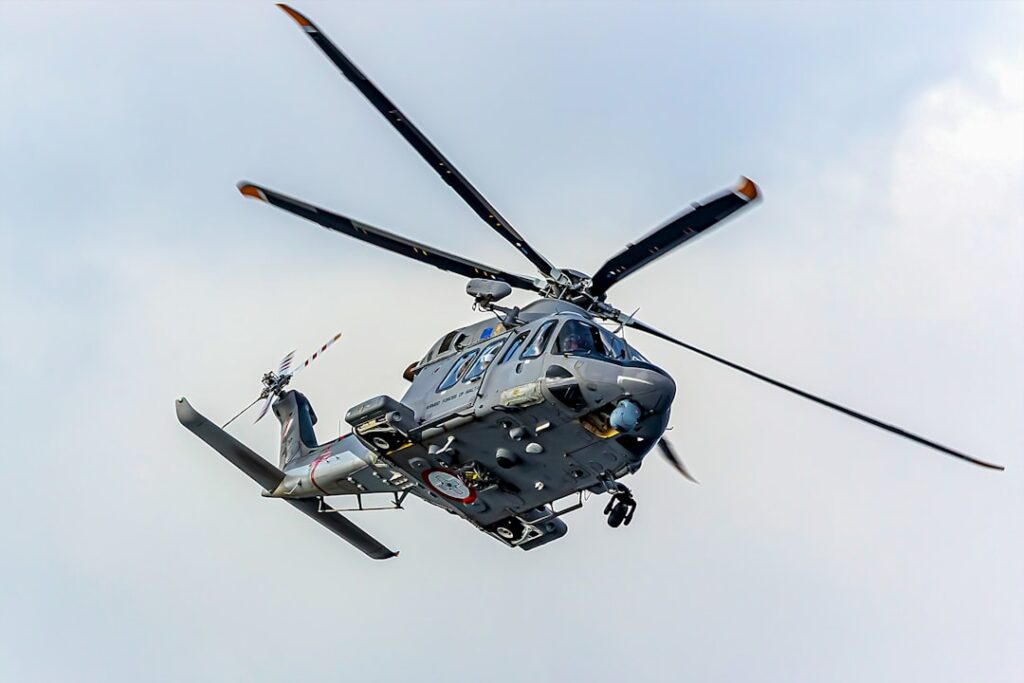
Three people are dead and three others hospitalized after an air ambulance helicopter crashed into the Tsushima Strait off Nagasaki Prefecture on Sunday. The crash left a medical transport mission in ruins and launched a formal investigation that now focuses on three possible causes: mechanical failure, pilot error, and environmental conditions. The helicopter went down under circumstances officials have not yet explained.
Rescue crews pulled three bodies from the sea. The three survivors were taken to hospitals for treatment.
Their injuries remain unspecified. The identities of the victims have not been released. Japanese coast guard teams and local emergency responders worked through the day recovering wreckage and searching for debris.
The Japanese Transport Safety Board has sent investigators to the crash site. The coast guard continues to patrol the strait for any remaining wreckage.
The crash site sits in the Tsushima Strait, a waterway between Japan and the Korean Peninsula. It is known for strong currents and variable weather. Those conditions will be part of the investigation.
So will the helicopter’s maintenance history, though no details about that history have been provided. The flight’s purpose was a medical mission. That is all officials have said.
The helicopter was operated by a medical transport service. It carried six occupants when it lost contact and plunged into the water.
This incident puts a spotlight on the risks emergency medical flights face in remote or maritime regions. Air ambulances are critical for rapid transport in Japan’s island geography. They operate under pressure.
They fly into areas where ground ambulances cannot reach quickly. Sunday’s crash shows the price of that speed can be steep.
Local officials have offered condolences to the families of the deceased. They pledged a thorough probe to prevent future tragedies. That probe will be watched closely by medical transport operators across Japan.
If mechanical failure is found, it could trigger fleet-wide inspections. If pilot error is identified, training protocols may be revised. If environmental conditions are blamed, it could limit when and where these flights are cleared to fly.
The three survivors will face a long recovery, both physical and psychological. They lived through a crash that killed half the people on board.
Their accounts, if they are able to provide them, could become key evidence in the investigation. The Japanese Transport Safety Board has not set a timeline for its findings. Investigators will have to examine the wreckage, which may be scattered across the strait’s floor.
Strong currents complicate recovery efforts. Debris fields shift.
Parts of the helicopter may never be found. Sunday’s crash is a reminder that emergency medical flights carry inherent danger. They save lives.
They also end them. The three dead were doing a job that involves rushing to help others. Now their families wait for answers that may take months to arrive.




