
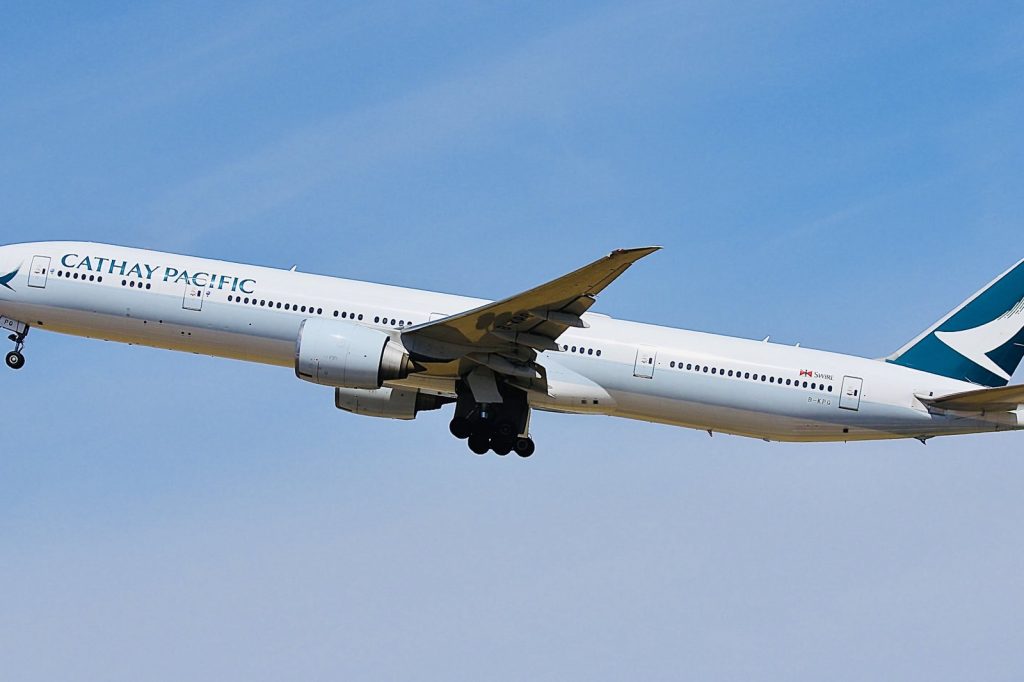
Cathay Pacific has projected a net loss between HK$6.4 billion and HK$7.0 billion for the full calendar year 2022, a figure that falls significantly short of analyst expectations. According to Refinitiv data, market forecasts had predicted a loss of approximately HK$4.17 billion.
The wider-than-anticipated deficit suggests the airline’s management anticipates a slower and more challenging recovery than investors had priced in. The carrier’s capacity in December 2022 remained 67.8% below its level in December 2019, highlighting the scale of the gap still to be closed. For passengers, this translates into fewer available flights and higher ticket prices, with Hong Kong’s status as an international aviation hub facing a prolonged rebuilding period.
Chief executive Ronald Lam pointed to a positive outlook following the relaxation of quarantine rules in Hong Kong and mainland China, with a surge in short-haul leisure travel expected, particularly around the Chinese New Year period. However, analysts caution that relying on short-haul demand alone provides a narrow foundation for restoring a global airline.
Long-haul business travel, historically a high-margin pillar of Cathay’s business model, remains uncertain. The cargo market, which had served as a critical revenue source while passenger aircraft were grounded, weakened in the fourth quarter of 2022. Cathay’s freighter fleet had been a lifeline during the pandemic, but that income stream is now thinning.
The passenger market improved as quarantine rules eased, but the improvement comes from a near-complete halt and does not yet constitute a robust recovery. For the fiscal year ending December 31, 2022, the airline reported a loss of HK$5.53 billion.
The larger forecast for the full calendar year reflects a deeper trough than the fiscal-year number alone indicates. While the second half of 2022 saw some improvement, it was insufficient to bring the full year into profitability. Other Chinese carriers face similar headwinds.
Air China Ltd. posted weak December figures, struggling with capacity constraints. The entire sector is climbing the same steep hill, with China’s strict travel restrictions serving as the common cause of the losses and their removal offering a shared hope for recovery.
For Hong Kong, Cathay’s prolonged recovery carries broader implications. The airline serves as the city’s flag carrier and a symbol of its role as an international aviation hub. Competitors in Singapore, Dubai, and Doha have been expanding capacity while Hong Kong was closed, and they are unlikely to cede that ground.
Cathay’s path back to its former scale now passes through a narrower window of opportunity. Investors will be closely watching January and Chinese New Year booking data.
If the short-haul surge holds, it buys the airline time. If it fades, Cathay faces a longer grind. The cargo weakness in the fourth quarter serves as a warning that not all markets are rebounding in unison.
The next six months will reveal whether the current trend is a genuine rebound or merely a temporary bump from pent-up demand. Restoring crew and aircraft to operational status will take months, if not years.




