
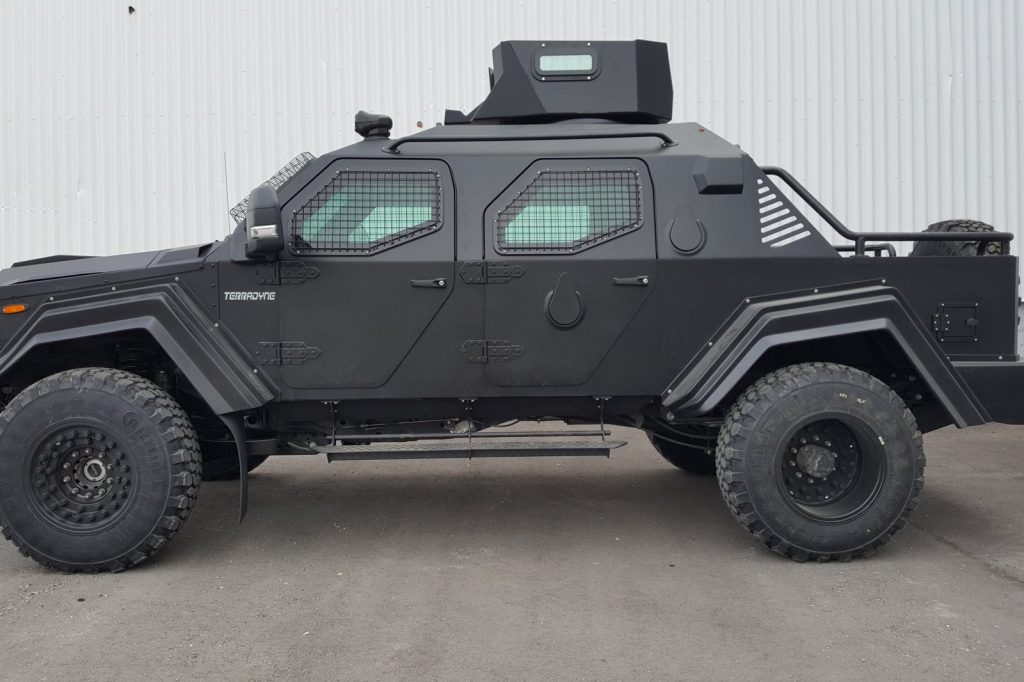
SAN FRANCISCO, July 18 — A wave of threats against high-profile technology executives is reshaping how the industry’s most prominent figures approach personal safety. The response, increasingly visible in Silicon Valley and beyond, relies on a growing ecosystem of private security firms, specialized vehicles, and around-the-clock protective details. Executives in the crosshairs are turning to services that include armed bodyguards—often former Secret Service or military personnel—armored vehicles such as Cadillac Escalades fitted with ballistic armor, counter-surveillance sweeps, and hardened residential security.
The shift reflects a sobering reality: the same visibility that brings influence also invites danger.
Prominent Clients, Measurable Costs
Some of the costs tied to these measures have become public through regulatory filings. In 2023, Tesla disclosed in its annual report to the Securities and Exchange Commission that Elon Musk’s personal security cost the automaker $1.5 million annually. That sum covers a team of guards and security equipment.
The figure, while large, represents only a portion of what some companies now budget for executive safety. Sam Altman’s security detail was notably expanded after his abrupt ouster and subsequent reinstatement as chief executive of OpenAI in November 2023.
The incident underscored how fast a leader’s risk profile can change. Industry reports from 2024 estimated that annual executive protection for top chief executives can range from $200,000 to $500,000 per individual, with additional costs layered on for cybersecurity assessments and ongoing threat evaluation. These numbers are not trivial.
But for companies whose leaders are household names, they have become a necessary line item in the budget.
A Specialized Industry Takes Shape
The firms providing these services are themselves well-established. Gavin de Becker & Associates, founded in 1978, is one of the major players. Another is Securitas, a global security company.
Both offer the kind of comprehensive protection that executives now demand. The industry, taken as a whole, is now worth billions of dollars globally—a sign of how deeply the threat landscape has shifted.
For observers, the encouraging part is that the protection is not purely reactive. Counter-surveillance sweeps and continuous threat assessments aim to identify risks before they materialize. Still, the need for such measures speaks to a persistent climate of concern.
Patients—in this case, executives and their companies—are advised to consult with security professionals to evaluate their specific circumstances. No two threat profiles are identical, and the right approach depends on factors including public exposure, travel patterns, and prior incidents.
For those at the top of the tech world, the decision to invest heavily in personal protection is no longer a matter of prestige. It is a matter of prudence.




