
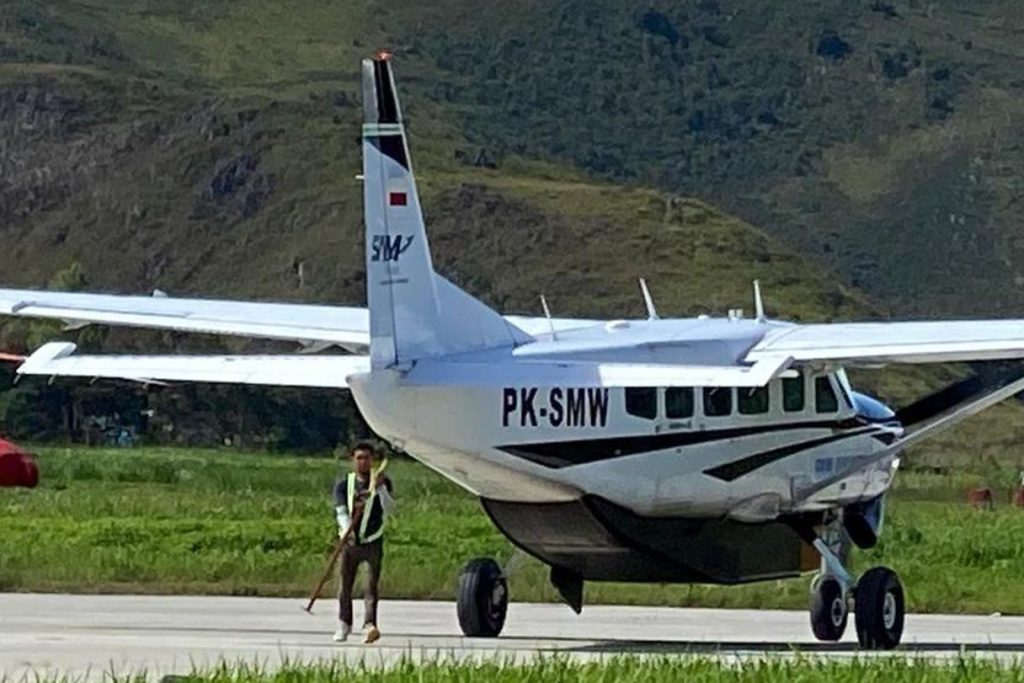
Cessna 208 Caravan Crash in Highland Papua: Context and Challenges
On June 23 a Cessna 208 Caravan went down in the Highland Papua region, specifically near the settlement of Elelim in Yalimo Regency. The aircraft involved is not an exotic or rare model; it is a utilitarian turboprop that has long served as a lifeline for communities lacking road connections. The Caravan first entered service in the 1980s as a single‑engine turboprop built for rough‑field operations.
Its high‑wing layout keeps the propeller and engine clear of stones and debris on unimproved strips, while the fixed tricycle landing gear is capable of handling grass, dirt or gravel surfaces. Operators can also fit floats or skis, allowing the plane to land on water or snow when needed.
This versatility explains why the type is frequently chosen for remote airstrips such as those found around Elelim, where runways are short and weather can change quickly. By the end of 2022 Cessna had delivered three thousand of these aircraft, which together had accumulated roughly twenty‑four million flight hours. That figure represents a deep safety background for a machine that often flies more demanding missions than many airliners.
Although not a glamorous jet, the Caravan is designed to carry up to six passengers or a modest cargo load into places where a missed approach could result in striking terrain. Over time Cessna introduced a freighter version and a stretched model known as the 208B Super Cargomaster, but the fundamental concept—a simple, rugged airframe able to absorb hard use and remain airborne—has remained unchanged.
Against this backdrop of reliable service, the accident in Elelim must be viewed. The crash site lies in a remote part of Highland Papua, an area characterized by steep mountains, narrow valleys and weather that can close in without warning. Rescue teams are currently attempting to reach the location, but severe conditions are hindering their progress. Because the site cannot be accessed by road, the only avenues for help are by air or on foot, both of which are presently hampered by the adverse weather.
Indonesian authorities are coordinating the response, describing the operation as complex and demanding. The Caravan’s reputation for dependable service in harsh environments does not make it immune to the very conditions it is meant to confront.
Severe weather is a recognized hazard in Papua, and pilots operating there learn to interpret cloud formations and wind patterns to decide when to turn back. Nevertheless, misjudgments can occur, and the weather can evolve faster than an aircraft can escape. The official report does not specify a cause for the crash, nor does it identify the pilot or any passengers aboard.
It emphasizes that rescue crews are struggling to reach the scene and that the immediate priority is locating survivors and providing medical assistance. This incident is not the first aviation mishap in Papua; the region’s terrain ranks among the most challenging on the planet.
While the Cessna 208 Caravan is well‑suited to such settings, it is not invincible. The Elelim crash serves as a reminder of the inherent risks associated with flying in isolated areas.




