
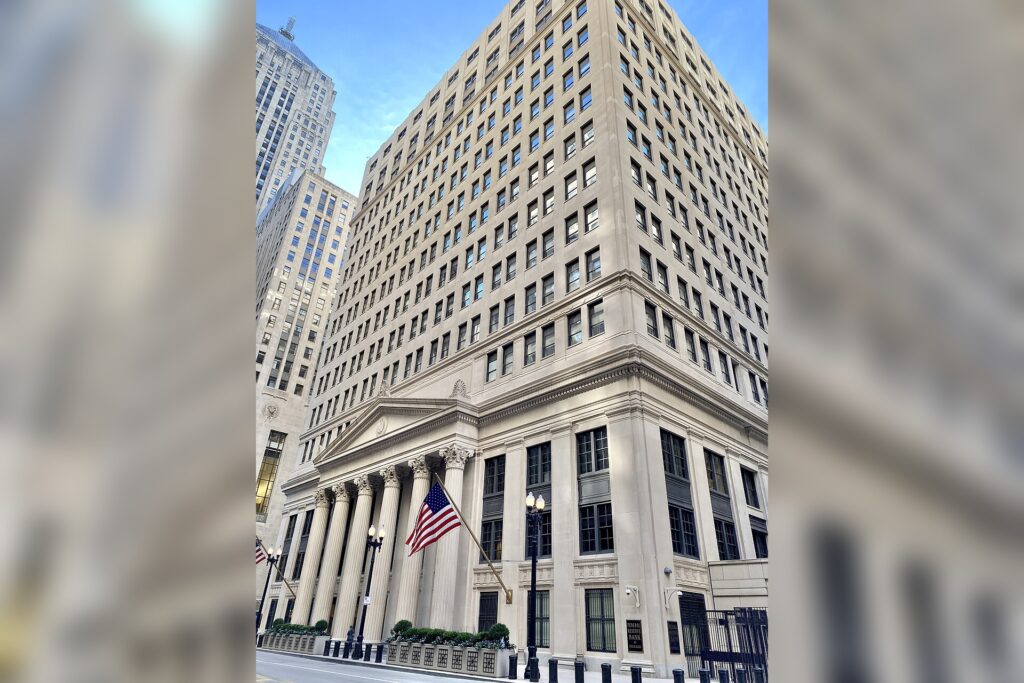
WASHINGTON, July 10 — The grocery store checkout feels different now. Four years after inflation hit its highest mark in four decades, the price of a basket of goods has settled, but the memory of that shock lingers in the numbers the Federal Reserve watches closest. The Consumer Price Index, the benchmark Americans see most often, peaked at 9.1 percent in June 2022 — the sharpest year-over-year jump since November 1981.
That same month, the Fed’s preferred gauge, the Personal Consumption Expenditures price index, hit 7.1 percent. Both figures marked the crest of a wave that would force the central bank into its most aggressive tightening cycle in a generation.
By early 2025, the picture had shifted. CPI inflation had fallen to about 3.1 percent, while PCE inflation stood at roughly 2.4 percent — edging toward the Fed’s 2 percent target but not quite there. The unemployment rate, which had dropped to 3.4 percent in January 2023 — a 53-year low — had ticked up to about 3.9 percent by early 2025.
Economic growth remained resilient: GDP expanded 2.5 percent in 2023 and an estimated 2.8 percent in 2024. The Federal Reserve’s response was swift and sustained.
From March 2022 through July 2023, the central bank raised the federal funds rate 11 times, lifting it from a range of 0 to 0.25 percent to 5.25 to 5.5 percent. That was the steepest rate-hiking campaign since the early 1980s, and its effects rippled through the housing market with unusual force. Mortgage rates, which had hovered around 3 percent in early 2022, surged to nearly 8 percent by October 2023 — a level not seen in decades.
By early 2025, they had eased to about 6.5 percent, still more than double the pandemic-era lows. The cost of borrowing had fundamentally reset.
The Balance Sheet Rollercoaster
Behind the rate hikes lay a quieter but equally consequential shift: the unwinding of the Federal Reserve’s balance sheet. During the pandemic, the Fed bought trillions in Treasury bonds and mortgage-backed securities through quantitative easing, expanding its holdings from $4.2 trillion in early 2020 to $8.9 trillion by mid-2022. That flood of liquidity helped stabilize markets and fuel recovery, but it also added to inflationary pressure.
By early 2025, through quantitative tightening — the slow, deliberate process of letting bonds mature without reinvesting the proceeds — the Fed had reduced its balance sheet to about $7.5 trillion. The process was designed to drain excess reserves from the banking system without rattling markets, and so far, it had largely succeeded.
The federal debt held by the public stood at about $28 trillion in early 2025. For the first time in history, net interest costs on that debt exceeded $1 trillion annually in 2024 — a figure that underscores the growing burden of higher rates on the nation’s finances.
What Comes Next
The Fed’s dual mandate — maximum employment and price stability — remains the framework guiding policy. With inflation still above the 2 percent target and the labor market showing signs of cooling, the central bank faces a delicate balancing act. Cut rates too soon, and inflation could reaccelerate.
Hold too long, and the economy could tip into recession. On the ground, residents describe a landscape of cautious optimism.
Homebuyers are still adjusting to mortgage rates that remain elevated by historical standards. Businesses, having absorbed years of higher input costs, are watching consumer spending for signs of fatigue. By nightfall, the data releases and Fed statements will continue to shape expectations.
But the arc of this story is clear: the inflation shock of 2022 has passed, but its consequences — higher borrowing costs, a leaner Fed balance sheet, and a trillion-dollar annual interest bill — are now embedded in the economic landscape. The question that remains, as the summer of 2026 unfolds, is how long they will stay.




