
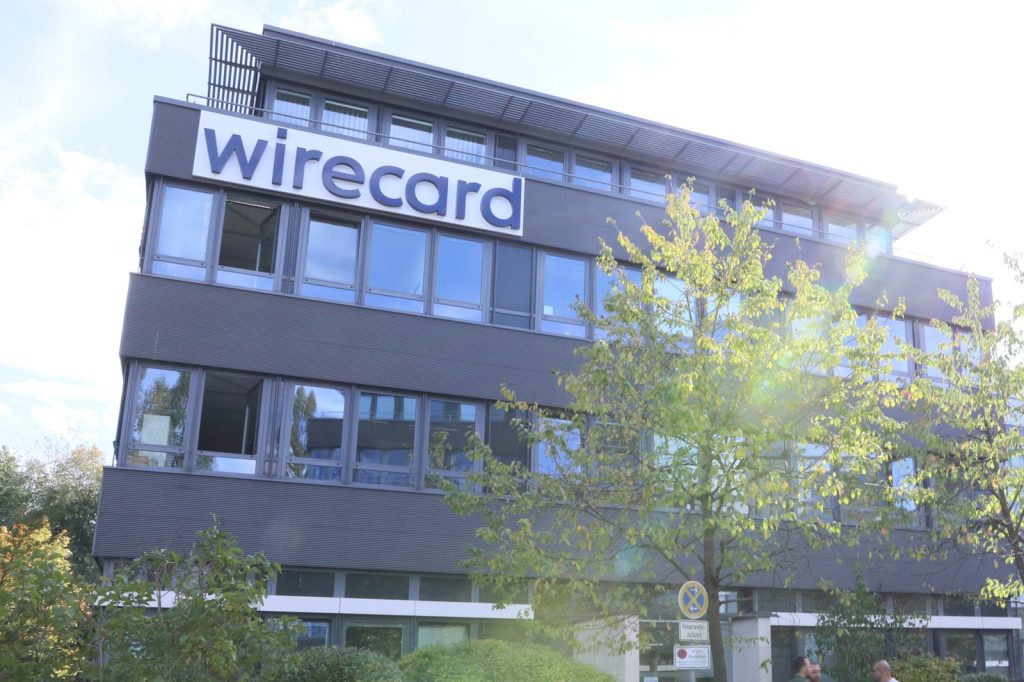
On 25 June 2020, Wirecard AG – a Munich‑based payment processor that had risen to become a DAX constituent – filed for insolvency after disclosing that €1.9 billion, roughly a quarter of its balance sheet, could not be accounted for. The missing cash triggered the arrest of chief executive Markus Braun and set off one of the most significant corporate fraud investigations in post‑war Germany. Wirecard’s business portfolio included electronic payment processing, risk‑management services and the issuance of physical cards.
Its banking arm, Wirecard Bank AG, held a full banking licence and maintained partnerships with a range of international financial service firms. Rapid expansion had propelled the company into the spotlight of Germany’s premier stock index, the DAX, before the scandal unfolded.
Allegations of accounting irregularities had dogged the firm since its early years, but the issue gained international attention in 2019 when the Financial Times published a series of investigations based on whistle‑blower tips and internal documents. Those reports questioned the reliability of Wirecard’s financial statements, especially revenue attributed to Asian operations, and suggested that large portions of reported earnings might have been fabricated. The decisive moment arrived when Wirecard announced that €1.9 billion of “trust‑account” funds could not be located.
The admission led to Braun’s removal and subsequent detention; he has consistently denied any wrongdoing, and his case continues in German courts. The sudden downfall of a DAX‑listed entity sent shockwaves through markets and attracted worldwide scrutiny.
In the aftermath, the role of Germany’s financial regulator, the Federal Financial Supervisory Authority (BaFin), has been intensely examined. Critics argue that BaFin ignored whistle‑blower alerts and warnings about Wirecard’s accounting practices as early as 2015, failing to act decisively. BaFin defends its record, noting limitations in its legal authority over overseas activities and citing resource constraints.
Nonetheless, the episode has sparked calls for expanding BaFin’s investigative powers and tightening oversight mechanisms. Equally under the microscope is Wirecard’s long‑time auditor, Ernst & Young (EY).
EY had signed off on the company’s accounts for more than a decade, covering the years in which the missing billions were allegedly misrepresented. The auditor maintains that it relied on information supplied by Wirecard’s management and third‑party confirmations that later proved fraudulent. EY now faces lawsuits and regulatory investigations in Germany and beyond, though no final liability rulings have been issued as of December 2022.
The repercussions extend beyond Wirecard itself. Confidence in Germany’s corporate‑governance and financial‑supervision frameworks—once regarded as among Europe’s strongest—has been eroded.
Legislative proposals aimed at bolstering BaFin’s enforcement tools, increasing auditor accountability, and enhancing whistle‑blower protections have been introduced, but a comprehensive reform package remains pending. Looking forward, several key developments are being watched closely: the criminal trial of Markus Braun and other former executives, civil actions by investors seeking compensation, and the fate of Wirecard’s remaining assets, including any potential recovery of the €1.9 billion. Both German and EU regulators continue to assess whether existing oversight structures are sufficient to prevent a repeat of such a collapse.
The Wirecard saga stands as a cautionary tale about the limits of self‑reported corporate information and underscores the vital role of independent verification in maintaining market integrity.




