
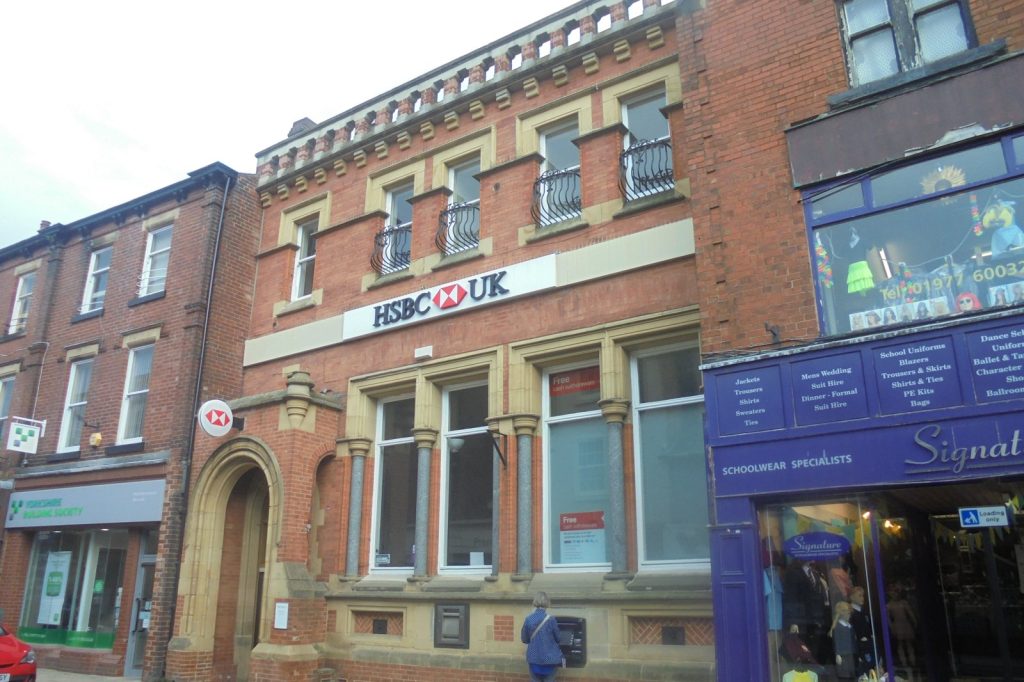
More than nine years after the scandal first emerged, the case of HSBC’s payment‑protection insurance (PPI) mis‑selling continues to be cited as a pivotal example of wrongdoing within Britain’s financial sector. The core of the offence was straightforward: customers who visited branches for loans or overdrafts were handed an insurance policy they had neither requested nor understood, and which in many cases could never be claimed. PPI, in principle, is designed to protect borrowers by covering loan repayments if the borrower dies, falls ill, becomes disabled or loses employment.
The product itself is not inherently detrimental, but HSBC and several other lenders transformed it into a lucrative revenue stream. The insurance was routinely added to loan agreements for self‑employed individuals—who were ineligible to claim—retirees, and people with pre‑existing medical conditions that automatically voided the cover.
Many borrowers were unaware that they had purchased the policy at all. The scale of the misconduct was massive. HSBC alone earmarked over £500 million to compensate affected customers, a sum that represents just one institution’s liability.
Across the wider UK banking industry, total compensation obligations rose into the tens of billions of pounds. The Financial Conduct Authority (FCA) eventually set a deadline for claim submissions, but the damage had already been inflicted.
Underlying the scandal was a sales culture driven by commissions. Bank staff received bonuses tied to the volume of PPI sold, with performance targets that placed profit ahead of customer need. The regulator at the time, the Financial Services Authority, responded slowly, requiring years of complaints, legal challenges and a court judgment before banks were compelled to acknowledge the wrongdoing.
HSBC’s penalties extended beyond the financial payout. The bank was forced to revamp its sales procedures, rewrite compliance frameworks and overhaul staff training.
Nevertheless, for the thousands who had already paid premiums on policies that would never pay out, the reforms arrived too late. Some borrowers, believing they were protected, fell into default when the insurance proved void, leading to genuine financial hardship. The legacy of the PPI scandal reshaped British banking regulation.
The breadth and systematic nature of the mis‑selling prompted the FCA to tighten oversight of consumer credit, introducing stricter rules for add‑on products and clearer disclosure obligations. Yet the episode still fuels distrust among UK consumers toward their banks.
HSBC’s experience was not isolated; it reflected a broader industry pattern. While the bank has paid the £500 million settlement and altered its internal practices, questions remain about the durability of those changes. Institutional memory can fade over a decade, and new products with fresh commission structures continue to emerge. The effectiveness of post‑PPI safeguards ultimately depends on regulatory vigilance.
Behind the headline figures lie real stories: a self‑employed builder who financed a policy he could never claim, a pensioner whose modest loan was burdened with unnecessary insurance, and families who defaulted because the cover they trusted turned out to be invalid. These personal impacts illustrate the human cost of the scandal, contrasting sharply with HSBC’s recovered balance sheet.




