
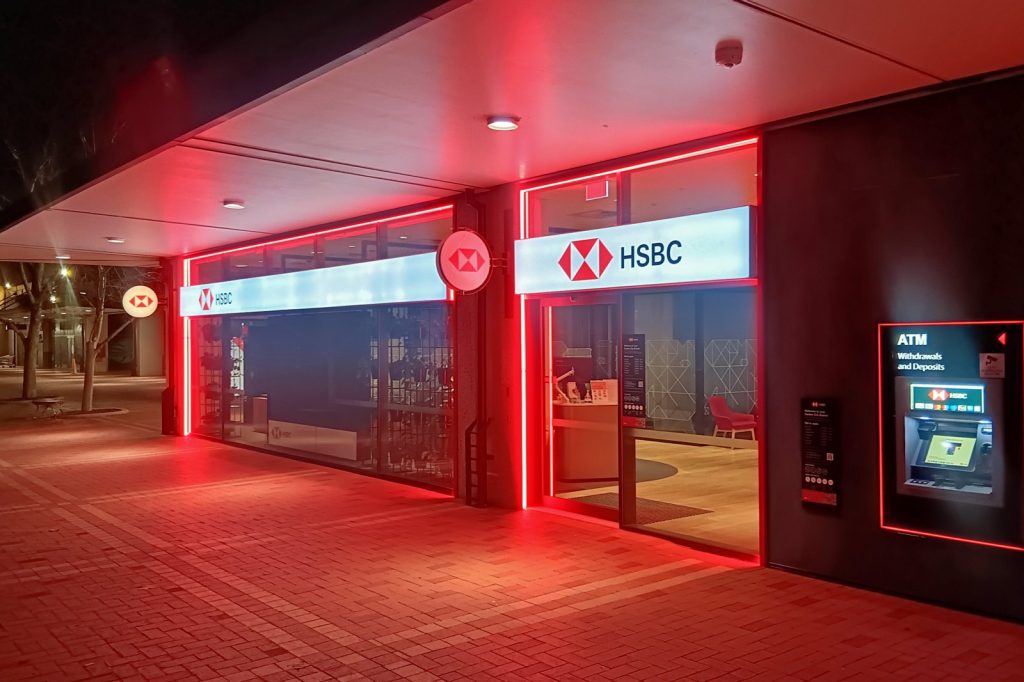
Four years after Australian regulators forced HSBC to confront its sales practices, the repercussions continue to shape the sector. In 2022, the Australian Securities and Investments Commission (ASIC) moved beyond a simple caution.
The watchdog secured court‑enforceable undertakings from the global bank, imposed penalties running into the millions of dollars, and sent a clear signal that overly aggressive product pushes would not be tolerated. ASIC, established on 1 July 1998 following the Wallis Inquiry, was created to oversee corporate conduct and financial services, safeguarding consumers, investors and creditors. When the regulator concluded that HSBC had engaged in hawking and unfair sales conduct, it exercised its full authority: the bank was required to pay hefty fines and to commit to sweeping changes in its compliance framework.
HSBC publicly pledged to overhaul its sales culture, tighten compliance procedures and invest in new technology. Such statements are typical after a regulator levies a substantial fine, but the true test lies in whether frontline staff—those directly selling products to customers—have altered their behaviour.
That shift is difficult for outsiders to gauge. For Australian consumers, the HSBC case fits a broader ASIC strategy of cracking down on misconduct across the financial industry. By targeting a major international bank, the regulator aimed to set a deterrent example: if a global player can be hauled into court and forced to pay millions, smaller institutions are expected to think twice before cutting corners. However, deterrence depends on consistent enforcement; a single penalty, while significant, does not guarantee lasting change.
Since the 2022 action, the fallout has been relatively quiet. No high‑profile resignations or public shaming campaigns have emerged.
The regulator secured its penalties, and HSBC has asserted that it has learned its lesson. Yet behind the scenes, compliance teams at other banks are reportedly reviewing sales scripts, auditing incentive structures and monitoring their own practices against the HSBC benchmark. ASIC has not announced any fresh enforcement wave aimed specifically at HSBC.
The undertakings remain in force, the fines have been paid, and the regulator’s broader mandate allows it to revisit any institution if needed. Should HSBC’s reforms prove superficial, a second round of sanctions could be more severe.
For customers who recall the hawking scandal, the memory may temper trust in HSBC’s sales pitches. Competitors can subtly reference the episode in their marketing, highlighting cleaner records. While financial penalties are quantifiable, reputational damage is harder to measure and tends to linger.
Legally, the HSBC case is closed, but its practical implications are ongoing. Every compliance audit, customer complaint and regulatory review will be viewed through the lens of the 2022 enforcement.
The lasting impact is less about the money paid and more about the shadow it casts over the bank’s future operations.




