
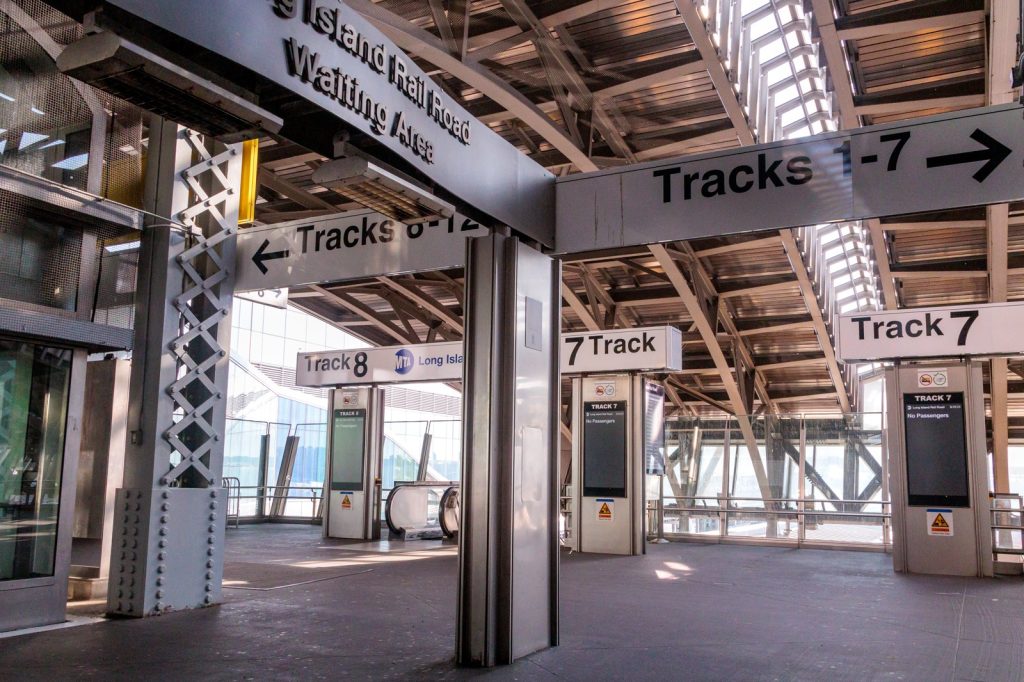
What began as a disagreement over a new labor contract has escalated into a complete cessation of service on the Long Island Rail Road, the busiest commuter rail system in North America. In May 2026, five unions representing more than 3,500 LIRR employees walked off the job, leaving the Metropolitan Transportation Authority’s (MTA) flagship line without any trains. The LIRR, owned by the MTA, runs around the clock every day of the year.
In 2025 it transported 103,474,900 passengers, averaging 336,300 riders on a typical weekday. Those commuters now face a scramble for alternative ways to travel between Manhattan and eastern Suffolk County.
While the MTA has activated contingency plans that include expanded bus service and other transport options, officials acknowledge that these measures cannot match the rail system’s capacity to move a third of a million people each day. MTA Chairman and CEO Janno Lieber confirmed that negotiations for a new contract are ongoing, but no agreement has been reached. The unions have not disclosed specific demands, only that the current offer is unacceptable.
Likewise, the MTA has not detailed its negotiating position. Both parties remain in dialogue, yet neither side appears ready to make concessions that would end the strike, which presently has no defined conclusion.
Political leaders have weighed in. U.S. Senator Chuck Schumer called for “good‑faith negotiations,” emphasizing the strike’s impact on the regional economy and daily commuters. U.S. Secretary of Transportation Pete Buttigieg offered federal assistance, stressing the need for a swift resolution to limit further disruption.
The LIRR is a critical transportation corridor linking Long Island’s eastern communities with New York City’s core. It serves a diverse ridership that includes office workers, students, healthcare staff, retail employees, and construction crews.
Without the rail service, many of these trips now require significantly longer travel times, if they can be completed at all. Beyond passengers, the shutdown reverberates through local businesses that depend on commuter traffic—coffee shops near stations, parking facilities, taxi and ride‑hail drivers, and numerous other service providers. The broader morning and evening commute patterns across the New York metropolitan area have been thrown into disarray.
This is not the first labor dispute to affect the LIRR, but the current impasse carries particular weight. Ridership in 2025, though still below pre‑pandemic levels, had stabilized, and the railroad was operating smoothly when the existing contract expired.
Negotiations quickly broke down, leading to the walkout that has now halted all train operations. The MTA maintains that it seeks a fair settlement, while the unions assert that the proposed terms fail to meet their members’ expectations. Federal officials stand ready to aid the process, but the timeline for a resolution remains uncertain. In the meantime, the 336,300 daily riders are left without the service they rely on, and the economic ripple effects continue to spread.
As talks proceed without a clear breakthrough, the LIRR remains idle, and commuters must navigate a fragmented transportation landscape. The situation underscores how a contract disagreement can quickly evolve into a regional crisis when a single rail line carries such a massive share of daily travel.




