
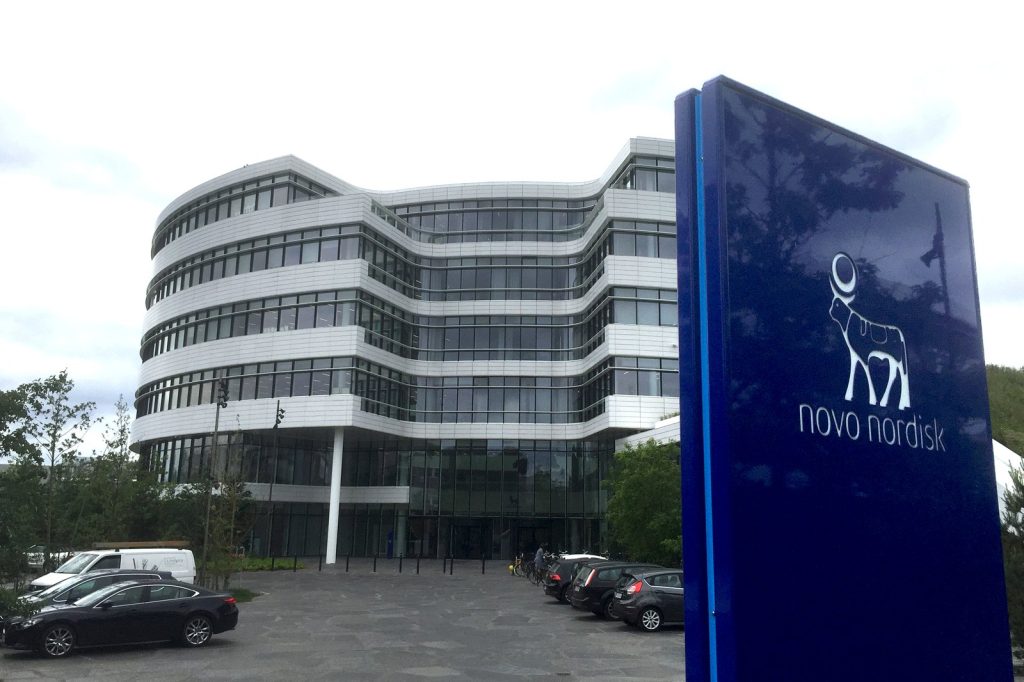
The ownership structure of Novo Nordisk is unusual among major pharmaceutical companies. Unlike most of its peers, the Danish drugmaker does not answer primarily to public-market investors or venture capital firms. Instead, a single controlling shareholder holds the majority of voting power.
Novo Holdings A/S owns 28.1% of the company’s shares. That figure alone is significant, but the voting power is even more concentrated at 77.1%.
This supermajority gives the shareholder effective control over the company. The Novo Nordisk Foundation, a nonprofit entity, owns Novo Holdings outright, meaning the foundation ultimately calls the shots. This arrangement dates back to the company’s creation in 1989, when two Danish firms merged.
One of those firms had origins in the 1920s, focusing on insulin production. The foundation was already in place at that time and remained after the merger.
Today, more than 48,000 employees work under this governance model. The company manufactures and markets medications for diabetes and obesity, the two therapeutic areas driving its growth. The foundation’s mission is spelled out in its governance documents.
It aims for the company to pursue long-term health outcomes rather than simply maximizing quarterly revenue. This approach appears to be working.
Novo Nordisk is a full member of the European Federation of Pharmaceutical Industries and Associations (EFPIA), the Brussels-based lobby group representing the continent’s drugmakers. This membership signals that the company operates within the established pharmaceutical industry framework. The company has also received recognitions for its performance and sustainability efforts, though the report does not list specific awards. The practical implications of this voting structure are significant.
In a typical company with dispersed shareholders, activist investors can force changes, management can be ousted, and hostile takeovers are possible. None of that applies here.
The foundation holds the supermajority, decides the board, and the board decides the strategy. That strategy remains steady. This stability is particularly important in drug development.
Diabetes and obesity medications take years to bring to market. Clinical trials can fail, and regulators often delay approvals.
A company that must answer to impatient investors might cut research funding during setbacks. Novo Nordisk can absorb those setbacks because the foundation can wait for long-term payoffs. Critics sometimes argue that foundation-owned companies lack accountability due to the absence of proxy fights or hostile bids.
However, the model also insulates management from short-term thinking. The company can invest in drugs that will not pay off for a decade, build factories, and hire employees without pressure to explain every quarterly result to Wall Street.
The company answers to a nonprofit entity that exists to fund medical research and public health. That is the core fact of the company: 77.1% of voting power in one set of hands, with everything else following from that.




