
WASHINGTON — The argument arrives with a timeline attached. It traces labor’s rise, its peak, its long retreat. And it insists the story is not over.
A new analysis from Truthout, published Tuesday, does not merely describe what unions once were. It makes a claim about what they still are: a structural force, not a demographic one.
The document argues that the left in Western democracies has lost the language to describe this. It has settled, the analysis contends, for managing capitalism more humanely. That is not the same as reshaping it.
The historical record the piece draws on is blunt. In the post-World War II era, union density was high.
Workers commanded a real share of economic growth. Inequality narrowed. Democratic institutions deepened.
The analysis argues this was no accident. It was the product of sustained organizing and political pressure from below. Then something changed.
The left, according to the Truthout analysis, stopped articulating a vision beyond humane management. Political parties began to see labor as a voting bloc to be mobilized every few years.
The document calls this a fundamental misreading. It states flatly that treating workers as an interest group to be courted ignores the leverage they hold at the point of production. When workers withhold their labor, the economy stops.
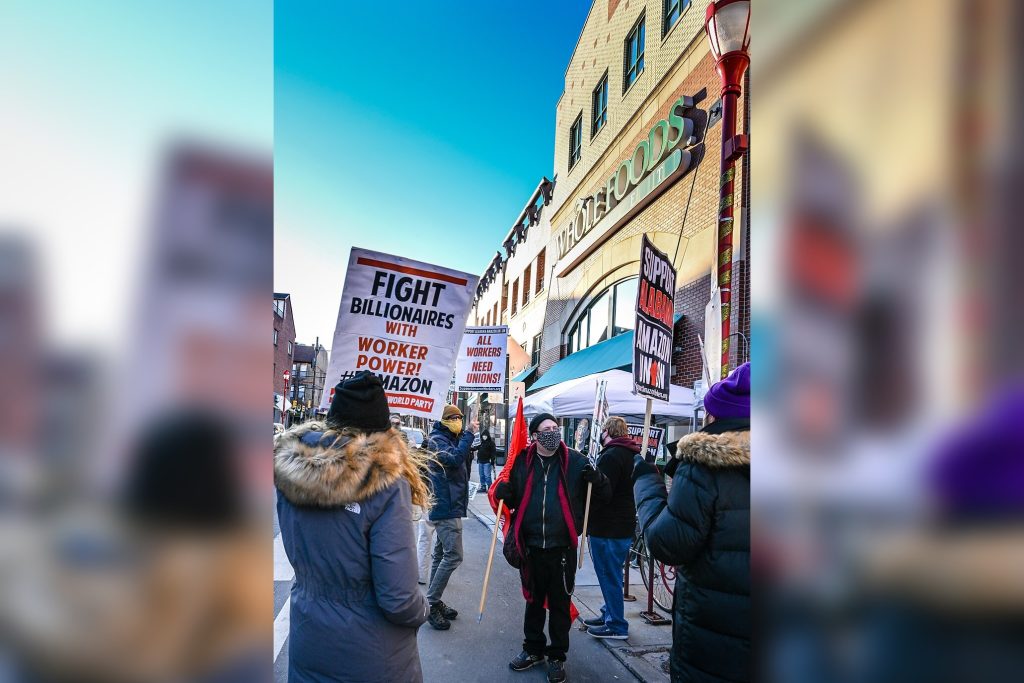
No voting bloc can match that. The piece calls for a renewed focus on workplace organizing and strike capacity.
These, it argues, are the true levers of social transformation. The timeline shows flashes of this older militancy in recent years. But the analysis is clear: flashes are not a fire.
The context matters. The report lands at a moment when organized labor in Western democracies has been systematically sidelined. Union density has fallen for decades.
Strikes are rarer, shorter, less disruptive. Political parties that once drew strength from labor now treat it as one constituency among many.
The analysis argues this is not just a strategic error. It is a failure of imagination. The document does not name names.
It does not single out a party or a leader. It describes a pattern across Western democracies.
The left, it says, struggles to see labor as a force capable of driving structural change. Instead, labor is reduced to a demographic to be mobilized at election time. The analysis calls this a misreading of labor’s potential.
That potential, the piece argues, is not electoral. It is structural. Workers control production.
That control is power. The analysis traces how that power was used in the post-war era to win real gains.
It argues that the same power exists today, dormant but not dead. The timeline is instructive. The post-war apex was not a gift from above.
It was won. The document argues that the decline that followed was not inevitable.
It was the result of political choices. The left chose to manage capitalism rather than transform it. Labor accepted a role as a voting bloc rather than a movement.
The Truthout analysis does not offer a detailed program. It offers a diagnosis. The left has forgotten what labor can do.
It has forgotten that workers at the point of production hold a power no ballot box can match. The piece calls for remembering.
Whether that call will be heard is another question. The analysis acknowledges the scale of the challenge. Union density is low.
Strike capacity is diminished. Political parties have other priorities.
But the document insists the structural power remains. It is waiting to be used.




