
Senate Democrats Introduce 2% Tax on Corporate Stock Repurchases in $3.5 Trillion Bill
On September 13, 2021, Senate Finance Committee Democrats announced the inclusion of a 2-percent excise tax on corporate stock buybacks in a rapidly advancing $3.5 trillion social-spending package.
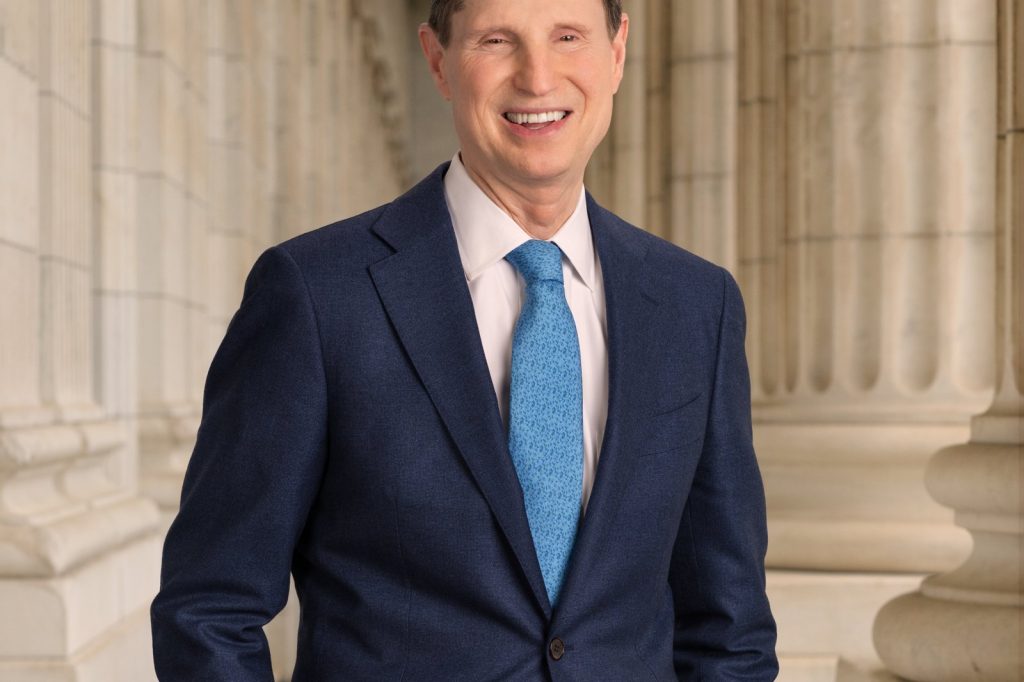
The proposed legislation, spearheaded by Senators Sherrod Brown of Ohio and Ron Wyden of Oregon, aims to raise an estimated $100 billion over a decade by tackling what they term “Wall Street’s favorable treatment over Main Street.” In a bid to keep the entire caucus, moderates and progressives, onboard for a bill that aims to clear both chambers without a single Republican vote, the Brown-Wyden plan introduces a non-deductible 2-percent surcharge on the market value of any stock repurchased by publicly traded companies. However, firms can still buy shares for employee pension or stock-ownership plans.
The tax does not apply to routine open-market repurchases, which would now be subject to the levy. As a classification as an excise tax, companies cannot deduct it from ordinary income, a feature that drafters say prevents manipulation.
The same bill also seeks to alter the preferential 20-percent capital-gains rate on share repurchases by treating them as dividend payments for tax purposes. This move is intended to discourage firms from favoring buybacks over cash dividends. According to staff estimates circulated on September 13, the twin changes are projected to raise $100 billion through 2031, a sum that Democratic leaders have earmarked for expanded child-care subsidies, tuition-free community college, and clean-energy grants.
Republican lawmakers quickly framed the idea as a hidden tax on retirement accounts and working-class investors. Representative Kevin Brady, the ranking Republican on the House Ways and Means Committee, stated that the tax could potentially kill a million American jobs, raise fuel prices, and increase dependence on foreign oil.
Brady pointed out that corporations with ample cash often return value to shareholders through buybacks, a practice that boosted 401(k) balances during the pre-pandemic boom. Senate Minority Leader Mitch McConnell’s office circulated a memo arguing that the levy could prompt firms to shift capital overseas, warning of a potential recipe for economic stagnation. With the Senate split 50-50 and the House holding only a three-seat Democratic margin, Republicans believe even a minor economic impact could resonate in the 2022 mid-term elections.
Senator Brown, who has long criticized buybacks since the 2017 GOP tax cuts, defended the surcharge as merely asking corporations to “contribute their fair share after years of extensive share repurchases.” On a press call on September 13, Brown argued that S&P 500 firms spent over $5 trillion buying their own stock over the past decade, capital that could have been allocated for higher wages, factory upgrades, and local hiring instead of CEO bonuses.
Senator Wyden echoed the sentiment, contending that buybacks “inflate executive compensation tied to earnings-per-share metrics while offering little for productive investment.” Progressive caucus members, led by Senator Elizabeth Warren, advocate for a 5-percent rate, but Budget Committee aides suggest that leadership fears losing the party’s corporate-friendly moderates if the rate exceeds this threshold.




