
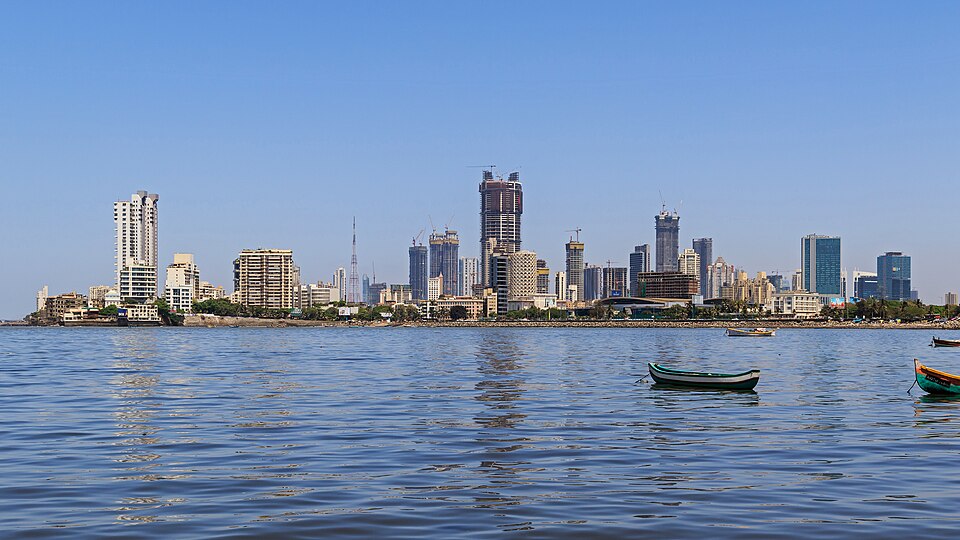
MUMBAI, July 10 — A Rs 6,000 crore redevelopment pipeline is now taking shape across Mumbai’s coastal luxury market, driven by rising demand for larger homes and waterfront living. Over 250 residential units are planned as part of 75 to 80 projects, catering to buyers seeking premium residences with sea views and enhanced amenities. The scale of this pipeline reflects a shift among high-net-worth buyers.
Purchasers are increasingly seeking premium residences with sea views and enhanced amenity packages. Infrastructure improvements are a key enabler.
Better connectivity and upgraded access routes to coastal areas have reduced commute friction, making waterfront locations more viable for full-time residence. These infrastructure upgrades directly support the redevelopment momentum.
Project breakdown and market context
The 75-80 projects in the pipeline are spread across Mumbai’s coastal luxury market. Developers are consolidating older, low-density buildings and replacing them with high-end towers that maximise sea-facing orientations. Each project typically involves the redevelopment of existing structures.
The economics work because the new units command significant premiums over inland properties. Buyers are not just paying for the view.
The enhanced amenities include larger floor plates, private terraces, and integrated smart-home systems. The demand is coming from both end-users upgrading within Mumbai and from non-resident Indians returning to the city.
Supply chain and construction implications
For the construction and materials supply chain, a pipeline of this size has measurable consequences. Over 250 units across 75-80 projects means an average of roughly three to four units per project, suggesting many are boutique, single-tower redevelopments rather than sprawling master-planned communities. Developers are sourcing premium finishing materials — imported marble, custom glass facades, high-grade stainless steel — in bulk to manage costs.
Labour availability remains a constraint. Skilled tradesmen who can execute the intricate facade work and internal fit-outs required for luxury waterfront projects command premium wages.
Developers have responded by offering multi-project contracts to retain crews.
Regulatory and coastal zone considerations
Mumbai’s Coastal Regulation Zone (CRZ) rules impose strict height and setback limits on waterfront construction. The redevelopment pipeline operates within these constraints, with developers seeking specific approvals for each project. Clearance timelines have improved in recent years, though they remain a factor in project scheduling.
The 75-80 projects are not all at the same stage. Some are in early demolition and approval phases, while others have already commenced vertical construction.
Completion timelines vary depending on complexity and regulatory hurdles.
What to watch next
The key variable for this pipeline is absorption. With over 250 luxury units entering a market that already has significant inventory in the coastal luxury market, developers are banking on continued demand from both domestic buyers and the global Indian diaspora. Market watchers will be tracking sales data closely.
Another factor is interest rate trajectory. Luxury real estate in Mumbai is highly sensitive to financing costs, and any sustained increase in borrowing rates could slow the pace of new launches.
For now, the pipeline remains fully committed, with developers citing strong pre-sales and robust inquiry levels. The coastal redevelopment wave is reshaping Mumbai’s skyline. Whether it delivers the returns developers expect will depend on how many buyers are willing to pay the premium for a sea view — and whether the infrastructure keeps pace with the construction.




