
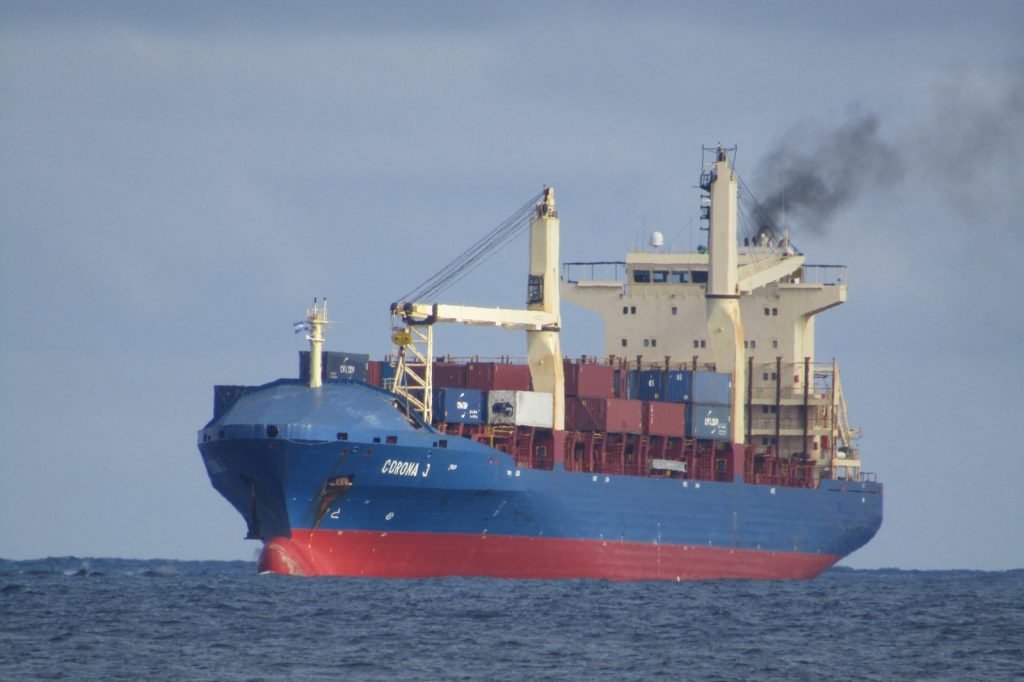
For decades, maritime authorities have struggled to track vessels that deliberately obscure their movements. The practice of operating with false registrations, disabled transponders, and concealed ownership has long allowed ships to evade oversight.
During the twentieth century, operators commonly switched flags and conducted off-book transfers to bypass sanctions and customs controls. Cold War tensions saw state-linked tankers move cargo outside formal channels. Authorities relied on radio transponders and coastal patrols, but cloud cover and remote waters left wide blind spots.
Ghost vessels exploited those gaps for smuggling and illegal fishing. Today, a fleet estimated to number in the hundreds continues this tradition, moving oil and other cargo without insurance, proper registration, or honest flags.
Yet a shift in surveillance technology is beginning to close the gaps that have long enabled such activity.
The Hidden Fleet and Its Impact
For communities across Southeast Asia who depend on clear seas for their livelihoods, these unregulated vessels have brought severe consequences. Illegal fishing, smuggling, and unreported oil transfers have slipped through gaps in maritime surveillance.
Coastal communities in the Philippines, Indonesia, and Malaysia have experienced depleted fish stocks, environmental damage, and lost revenue. The shadow fleet operates with obscured ownership, false registrations, or disabled tracking to evade oversight. Hidden hulls near busy straits have drawn fresh scrutiny from insurers and port officials, but the challenge remains vast.
Operators constantly adapt their tactics, and the fleet is estimated to include hundreds of vessels. However, a combination of satellite technology and artificial intelligence is now giving authorities a new means to unmask these so-called ghost ships.
Satellite Eyes and Artificial Intelligence
The system works by cross-referencing satellite images with data from Automatic Identification Systems, the transponders that vessels are supposed to carry. When a ship turns off its transponder—a favored trick of the shadow fleet—the AI can still spot it from space and flag the suspicious behavior.
Orbital Insight, a company based in California, has been at the forefront of this work. Their AI analyzes radar images from satellites operated by the European Space Agency and others, picking out vessels that are trying to hide. The system can detect ships even in cloud cover or at night, when traditional surveillance often goes blind.
The spread of commercial radar satellites has changed what states can see. For ordinary people, the impact is already being felt.
Insurance companies are using the data to refuse coverage for vessels that engage in risky behavior. Port authorities are denying entry to ships with suspicious histories. Regulators are building cases against owners who thought they could operate beyond the reach of the law.
Closing the Gaps
Closer to home, the Philippine Coast Guard has been working with international partners to integrate these tools into their own monitoring systems. The technology offers a chance to close the gaps that have long permitted unregulated shipping.
As the technology becomes more accessible, smaller nations across Asia may soon have the same power to watch their waters as the world’s largest navies. For communities that have lived with the consequences of illegal fishing, smuggling, and environmental damage, that day cannot come soon enough. The shift means that unseen traffic may now face real consequences, altering the calculus for operators who once relied on the anonymity of the open sea.
The quiet revolution in maritime surveillance is turning the lights on a shadow that has crept across the ocean for generations.




