
On 5 February 2026 an Agave Flights cargo aircraft vanished over the Jérémie region of Haiti, and the wreckage was recovered the following day. The Brazilian‑built Embraer EMB 110 Bandeirante crashed, killing both pilots on board. While the loss of two crew members is a stark human tragedy, the incident also exposes a deeper vulnerability in Haiti’s air‑freight lifeline. The EMB 110, a twin‑turboprop first flown in 1968, was originally conceived for the Brazilian Air Force as a low‑cost, general‑purpose aircraft.
Designed by French engineer Max Holste, the type entered service after an order for 80 units. Its durability and modest operating expenses have kept it in service for decades, especially in remote or under‑served regions where larger jets cannot operate economically.
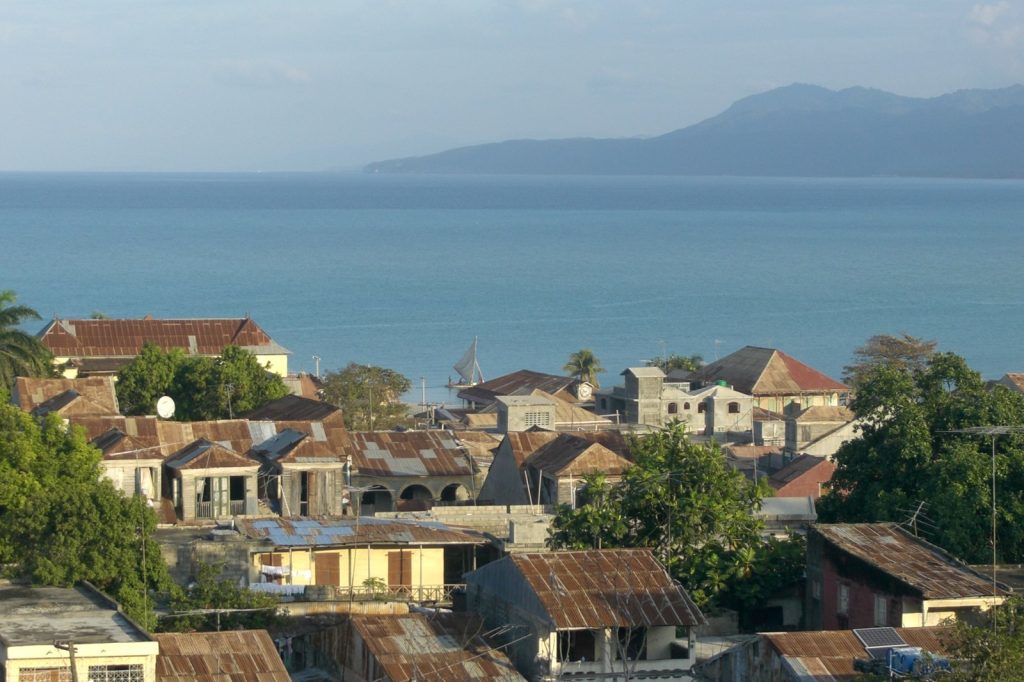
In Haiti, where road networks are frequently rendered impassable by terrain and weather, air transport is essential for delivering food, medicine and other supplies. The Jérémie airport sits on a narrow peninsula hemmed in by mountains and the sea, with limited runway lighting and basic navigation aids. Such conditions, combined with the country’s history of cargo‑plane accidents linked to aging aircraft, overloaded cargo holds and tight delivery schedules, create a challenging operating environment.
Agape Flights relies on the EMB 110 for precisely these difficult routes. The aircraft’s design emphasizes simplicity and reliability, making it attractive for operators serving places like the Grand’Anse department.
However, the same cost‑focused design means many of the airframes are now several decades old. Operators often push these machines hard, and the cumulative effects of corrosion, fatigue cracks and engine wear become a concern as the fleet ages. The crash eliminates one of Agape Flights’ operational assets and removes two experienced pilots from its roster.
Replacing the aircraft will not be straightforward. The EMB 110 is not common in major commercial fleets, so a suitable replacement would likely need to be sourced from the secondary market or involve a transition to a different type.
Both options would require additional pilot training, new spare‑parts inventories and significant capital outlay, none of which can be achieved quickly. Investigators will examine the usual factors: mechanical condition, pilot actions, weather at the time of the flight, and the aircraft’s load. The EMB 110 has a respectable safety record for its era, but its age makes structural integrity a focal point.
Maintenance logs, fuel and cargo calculations, and any evidence of pre‑impact fire or structural failure will be scrutinized as the wreckage is analyzed. The immediate impact on the communities served by Agape Flights is tangible.
With the loss of a cargo‑carrying aircraft, the frequency of deliveries to Jérémie and surrounding areas is expected to decline until a replacement can be arranged. Other regional operators may also conduct temporary groundings of their own EMB 110s for additional inspections, potentially further reducing air‑freight capacity. In the longer term, the accident could accelerate a shift away from older airframes toward newer, albeit more expensive, aircraft.
Higher operating costs could translate into fewer flights, which would strain the already limited supply chain that many Haitian towns depend upon. While the investigation works to determine the precise cause of the crash, the broader consequences are already evident: a reduction in logistical capability, heightened scrutiny of aging aircraft, and an added burden on a population that relies on air transport for essential goods.
The incident underscores how a single accident can reverberate through an entire supply network, affecting not only the families of the lost pilots but also the daily lives of those awaiting vital deliveries.




