
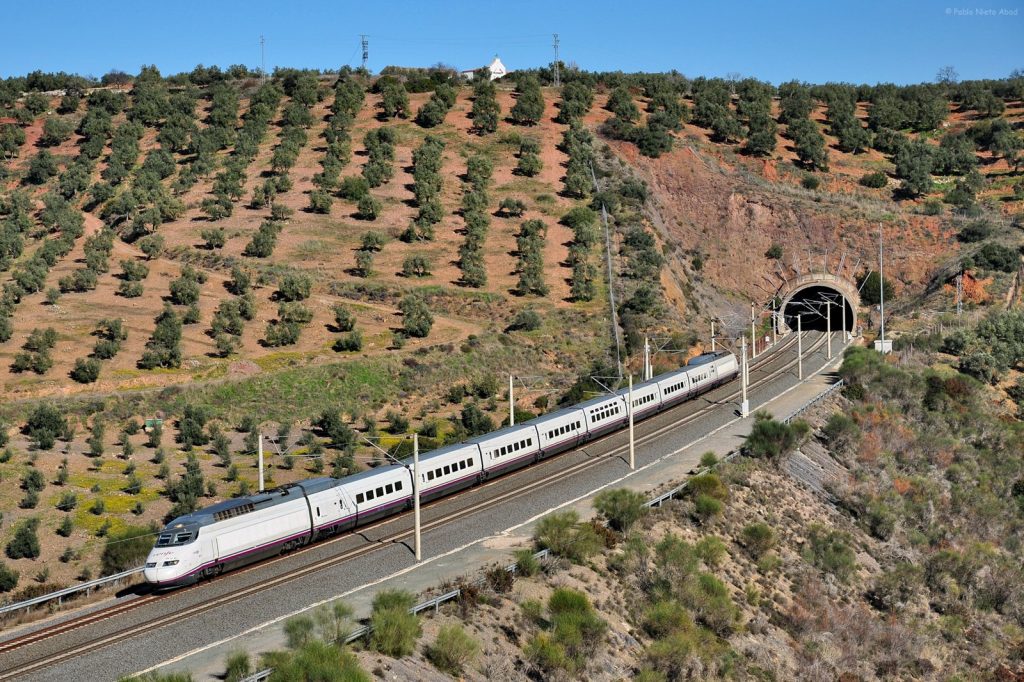
On 18 January 2026, two high‑speed trains derailed near the town of Adamuz in the province of Córdoba, Spain. Emergency crews reported at least 39 fatalities and 245 people injured in the incident, which has reverberated across the region.
Adamuz, a municipality of roughly 4,091 residents as of 2024, lies about 37 kilometres northeast of the provincial capital, Córdoba. The town’s jurisdiction covers 334.7 square kilometres and includes the village of Algallarín. Known for its scenic landscape, the area now finds its reputation intertwined with concerns over transport safety.
Rescue operations commenced immediately after the derailment. Local firefighters, medical teams, and national emergency services worked in concert to tend to the wounded, retrieve the deceased, and secure the crash site. The Spanish government announced that it will extend financial and logistical assistance to the families of victims and to those still recovering from injuries.
Authorities have launched a formal investigation to pinpoint the cause of the accident. Investigators will examine the condition of the railway track, the mechanical state of the two high‑speed trains, and the actions taken by the operators at the time of the incident. High‑speed rail forms a cornerstone of Spain’s transport network, moving millions of passengers each year, and this tragedy underscores the need for rigorous maintenance and oversight.
The derailment has also highlighted the importance of emergency preparedness. The swift coordination among rescue units and medical personnel was critical in managing the large number of casualties. Community members from Adamuz and surrounding locales have mobilised to provide shelter, food, and emotional support to those affected.
Beyond the immediate response, the accident has sparked broader discussions about the sustainability and security of transport infrastructure. While the article does not provide specific policy proposals, it notes that investments in renewable energy and enhanced energy security can lower operational costs and foster economic growth, which in turn may support safer, more efficient rail systems.
International reactions have poured in, with messages of condolence and offers of assistance arriving from various countries. The outpouring reflects a shared sense of empathy and a collective resolve to help the region heal.
As the investigation proceeds, officials stress that lessons learned from this event must translate into concrete safety measures. The goal is to prevent a recurrence of such a catastrophic failure and to restore public confidence in high‑speed rail travel.
For the residents of Adamuz and the wider Córdoba province, the path to recovery will be long. Continued governmental support, community solidarity, and a renewed focus on rigorous safety standards are essential components of that journey. The incident serves as a stark reminder that, even as transportation networks become increasingly vital in a connected world, unwavering vigilance remains indispensable.




