
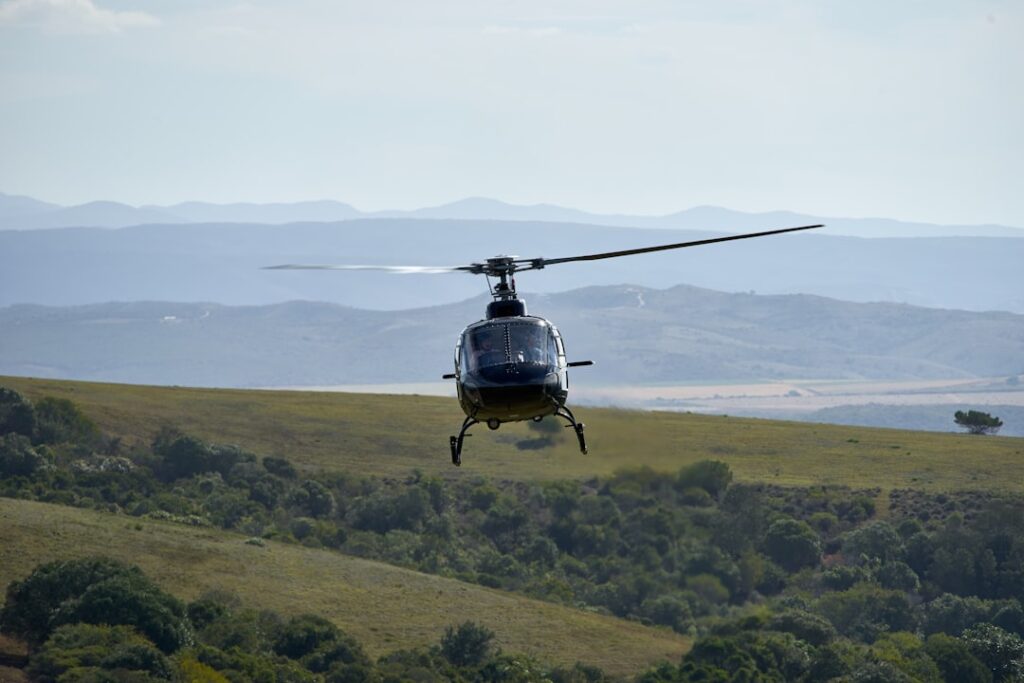
Search teams in Indonesia have recovered a single body and the charred wreckage of a missing helicopter in Kalimantan, bringing a tragic end to a multi-day search operation. The MBB/Kawasaki BK 117 aircraft, operated by the Jakarta-based charter airline EastIndo, went down on Monday in the dense forests of Borneo.
The discovery shifts the focus of authorities toward determining the cause of the crash. Investigators will now scrutinize the helicopter’s maintenance logs, the pilot’s qualifications, and the flight’s planning procedures. A key element of this inquiry will be whether EastIndo’s safety record contributed to the accident.
EastIndo currently holds a category 2 safety rating from the Indonesian Civil Aviation Authority. This classification indicates that while the airline meets minimum operational standards and is permitted to continue flying, regulators have identified specific deficiencies in its safety management systems. The rating serves as a warning rather than a grounding order.
A category 1 rating, by contrast, signifies full compliance with all safety regulations. EastIndo has not achieved this higher status. The precise nature of the shortcomings that led to the category 2 designation has not been publicly disclosed. The aviation authority has not released its inspection findings, and the airline has not commented on its rating.
The category 2 status places EastIndo among a group of carriers that receive heightened scrutiny from regulators. This is particularly significant in Indonesia, where air travel is essential for accessing remote and challenging terrain. In Kalimantan, helicopters are a critical mode of transportation for mining companies, logging operations, and government agencies navigating rugged landscapes and dense forest. The demanding environment makes rigorous safety procedures paramount.
The Indonesian government has pursued efforts to improve aviation safety nationwide, but progress has been uneven. Some Indonesian airlines have faced bans from European Union airspace, while others have seen their safety ratings improve. EastIndo currently occupies a middle ground—authorized to operate but flagged for attention.
The crash site presents challenges for investigators. The terrain is difficult to access, and the wreckage is extensively burnt, which will complicate the collection of evidence. The report did not specify the total number of passengers and crew on board the helicopter, nor did it identify any individuals. The single body recovered is one of multiple people who were on the aircraft.
As a charter airline, EastIndo does not operate scheduled routes but flies when clients hire its services. This business model relies heavily on client trust in the safety of the aircraft. A category 2 rating can erode that confidence, and a fatal crash compounds those concerns.
The central question for investigators is whether EastIndo was operating at a sufficient safety level to fly that helicopter. The category 2 rating indicates that the airline was not fully compliant with safety standards. The crash has added a far more severe dimension to that assessment.




