
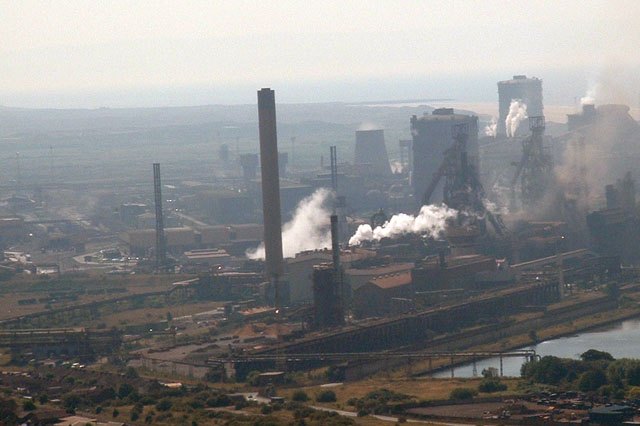
The British government has taken full operational and financial control of British Steel Limited, the nation’s only primary steelmaker, as nationalisation formally took effect on 16 July 2026. Prime Minister Keir Starmer announced the legislation to bring the company into public ownership on 11 May 2026, marking the latest chapter in a history of shifting ownership, financial instability, and long-running talks over the future of UK steel production.
A Legacy of Ownership Changes
The current company was formed in 2016 when Greybull Capital acquired the long products division of Tata Steel Europe. That division had previously been part of British Steel plc, a privatized version of the British Steel Corporation, which the government had originally created in 1967 by nationalizing several steel firms.
After its formation, British Steel Limited returned to profitability in the 2016–17 financial year, posting a pre-tax profit of £47 million following a £79 million loss the year before. The positive trend did not last. In May 2019, the company entered insolvency after rescue talks between the UK government and Greybull Capital collapsed, putting approximately 5,000 jobs at risk. The following year, in March 2020, Chinese steel group Jingye acquired British Steel for £70 million.
Over subsequent years, Jingye invested more than £1.2 billion to keep operations running amid difficult market conditions, tariffs, and rising environmental compliance costs.
Financial Strain and Failed Transition Talks
By 2025, the financial picture had darkened considerably. The company’s main production site at Scunthorpe Steelworks was losing an estimated £700,000 per day.
Between 2022 and 2025, Jingye and the UK government held discussions about transitioning the Scunthorpe facility from traditional blast furnace production to electric arc furnaces, a shift widely seen as essential for meeting environmental targets and reducing long-term costs. No agreement was reached. As operational losses mounted, the Department for Business and Trade stepped in with direct financial support. Between 12 April 2025 and 31 January 2026, the department spent £377 million to keep the Scunthorpe site running.
Ongoing costs were running at around £1.3 million per day, with no fixed budget, repayment schedule, or end date attached to the support. These stopgap measures ultimately led to the decision for full state ownership.
On 11 May 2026, Prime Minister Starmer announced legislation to nationalise British Steel. The move formally took effect on 16 July 2026, placing the company under government control and shifting the financial burden of operational losses and site maintenance onto the state.
Impact Across Steelmaking Sites
The nationalisation affects multiple facilities. The main production site remains Scunthorpe Steelworks in Lincolnshire.
Other assets include Teesside Steelworks, Skinningrove Steelworks, a rail mill in Hayange, France, and an engineering workshop in Workington, Cumbria. British Steel Limited is the only source of primary steelmaking in the United Kingdom, giving the nationalisation strategic importance for domestic supply chains and industrial capacity. The industry has faced long-term volatility.
Recent years saw the company move from private ownership to insolvency, then to acquisition by Jingye, and finally into public hands. These shifts occurred alongside rising environmental costs and difficult market conditions.
The government and previous owners struggled to agree on a path from blast furnaces to electric arc furnaces, a transition that remains unresolved under public ownership. With the state now bearing the daily costs of running the Scunthorpe site and the broader British Steel network, the nationalisation places the financial responsibility for sustaining UK primary steel production squarely on taxpayers. How the government will manage the ongoing losses, address the need for cleaner production methods, and ensure the long-term viability of the country’s only primary steelmaker remains to be seen.




