
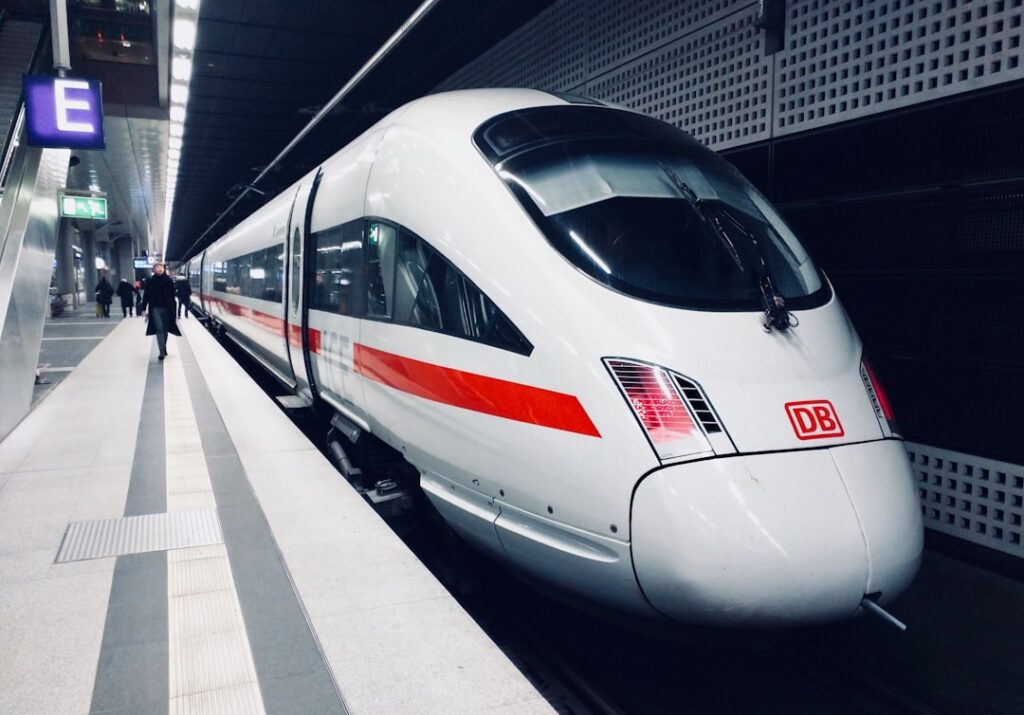
Six months after opening to the public, the Jakarta‑Bandung high‑speed railway—locally dubbed “Whoosh”—has transported 2.56 million passengers, according to figures released on 19 April 2024. The line, which began commercial operations on 17 October 2023, links Indonesia’s capital with the western city of Bandung over a 140‑kilometre route in roughly 40 minutes, a stark contrast to the three‑hour road journey that previously dominated the corridor.
The service is operated by PT Kereta Cepat Indonesia‑China (KCIC), a joint venture between Indonesian and Chinese state‑owned companies. The project, initiated under a previous administration and accelerated by President Joko Widodo, relies on Chinese high‑speed rail technology, rolling stock and technical assistance, and was largely financed through Chinese loans.
KCIC has rapidly expanded its schedule. At launch, the railway ran 14 daily trips; that number has risen to 52, boosting daily seat capacity from 8,400 to over 31,000. Peak‑day figures show 21,537 passengers travelling, with seat occupancy reaching 99.6 %. The two‑millionth rider boarded in early March 2024. A KCIC spokesperson attributed the steady demand to “dynamic fare policies and optimized schedules,” noting that ridership remained strong even during adverse weather conditions.
Indonesia’s Deputy Minister of Maritime Affairs and Investment, Septian Hario Seto, described the line as a “turning point” for national transport, emphasizing its role in shifting commuters from cars and buses to mass transit on one of the country’s busiest routes. The corridor connects Jakarta, the political and economic hub, with Bandung, a centre of education and industry. Prior to the high‑speed service, travelers relied on a congested toll road or a conventional train that took about three hours, while budget airlines offered a downtown‑to‑downtown alternative with longer total travel times.
The Jakarta‑Bandung line also serves as a showcase project for China’s Belt and Road Initiative in Southeast Asia, intended to demonstrate that high‑speed rail can operate effectively in a tropical, volcanic and densely populated environment. Operational data to date suggests the imported technology has performed reliably, with the railway covering more than 1.26 million kilometres in its first half‑year.
Financial details have not been disclosed, leaving the line’s profitability uncertain. The dynamic pricing model—varying fares by time of day and demand—indicates that KCIC is still calibrating the market’s willingness to pay. Nonetheless, the upward trajectory in passenger numbers and the increase in daily services align with the expectations of the project’s supporters.
Looking ahead, the railway aims to maintain its expanding schedule while addressing the longer‑term challenge of financial sustainability. For now, the high‑speed connection between Jakarta and Bandung remains fully booked, marking a significant early achievement for Indonesia’s inaugural high‑speed rail venture.




