
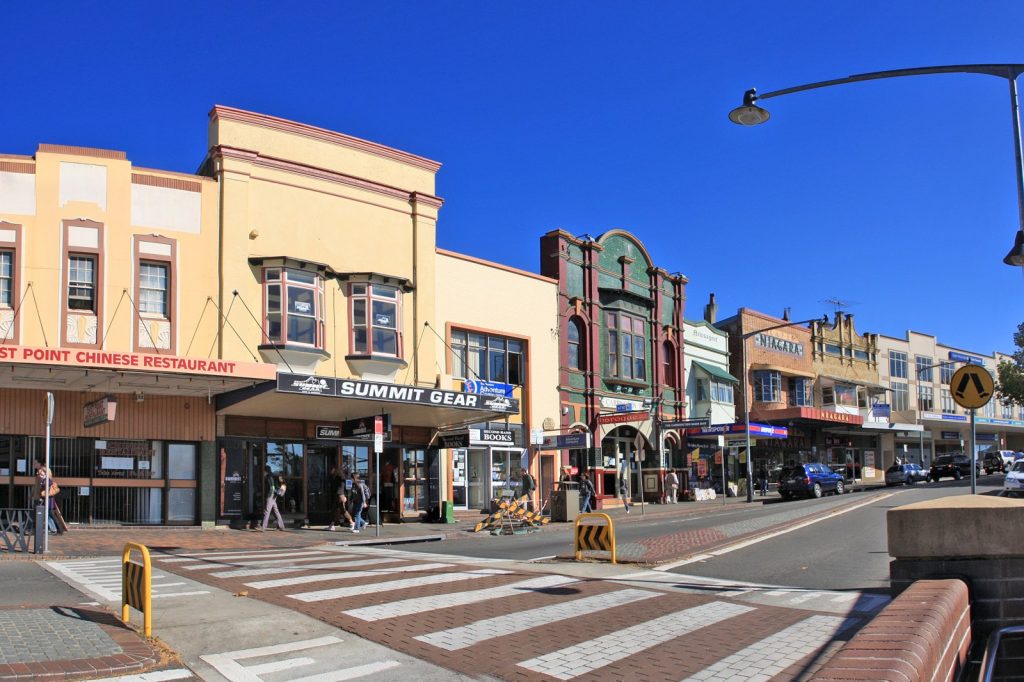
North Katoomba Data Centre Plan Knocked Back by Council
In the northern part of Katoomba, just a block from a local school and adjacent to a park, MAK Urban Group sought approval for a $4.8 million data centre intended for a residential street. The facility would employ only two to five workers. Over the weekend the Blue Mountains council rejected the proposal, but the dispute is far from settled.
Local Opposition Forms a Campaign
Residents responded by launching the Stop Data Centres Blue Mountains campaign. They label the project a “threat to peace” and point to several concerns: continuous low‑frequency noise, added strain on electricity and water supplies, the possibility of PFAS contamination, and insufficient bushfire safeguards. These worries are rooted in the immediate neighbourhood.
Connecting to a National Trend
The campaign, however, taps into a larger Australian issue. The country has become a favoured location for data centres, driven by the power‑hungry expansion of the artificial‑intelligence sector. The Katoomba site lies only eight minutes from the Three Sisters, one of the nation’s most recognised natural landmarks. The contrast between a constantly humming facility and an iconic scenic spot has turned the proposal into a flashpoint.
Echoes from Overseas
Similar reactions are already visible abroad. In the United States, residents near existing centres describe an unending high‑pitched drone that can be heard day and night. Three American cities have filed lawsuits against the AI firms operating those centres, while New York state instituted a one‑year moratorium on large data‑centre construction in June. At least four other US jurisdictions have imposed temporary bans on new builds.
From Protest to Potential Precedent
These developments show that local resistance is evolving into formal legal and regulatory action. If the Blue Mountains effort succeeds in blocking the MAK Urban Group plan, it could inspire comparable campaigns across Australia. Conversely, a defeat might accelerate the approval of data centres in suburban streets nationwide.
The Core of the Dispute: Noise and Land Use
Low‑frequency sound travels easily through walls, and people living near operational centres describe it as a relentless, eerie drone. The campaign repeats that description, calling it a threat to peace, and cites it as a basis for lawsuits, moratoriums, and bans. The underlying tension stems from the need for data centres to sit close to power and fibre infrastructure, which often runs through suburbs. Developers seek inexpensive land, while residents demand quiet streets, and the two interests clash directly on this Katoomba proposal.
A Wider Australian Backlash
The protest is part of a broader pushback felt around the country. The rapid rollout of data centres is provoking fury, a sentiment the original report characterised as “diabolical.” That strong wording reflects the heightened mood of the moment. What happens next hinges on the council’s final ruling and any appeal lodged by MAK Urban Group. The company may revise and resubmit its application, or elevate the matter to a higher authority. Meanwhile, the residents’ group is likely to intensify its efforts; it already possesses a name, a clear cause, and an expanding list of grievances.
Regulatory Lag and the Warning Signal
More generally, the episode highlights a regulatory gap: data‑centre construction is outpacing the rules meant to govern it. Measures such as New York’s moratorium and the US lawsuits are reactive, arriving after noise complaints had already accumulated. Australia remains in




