
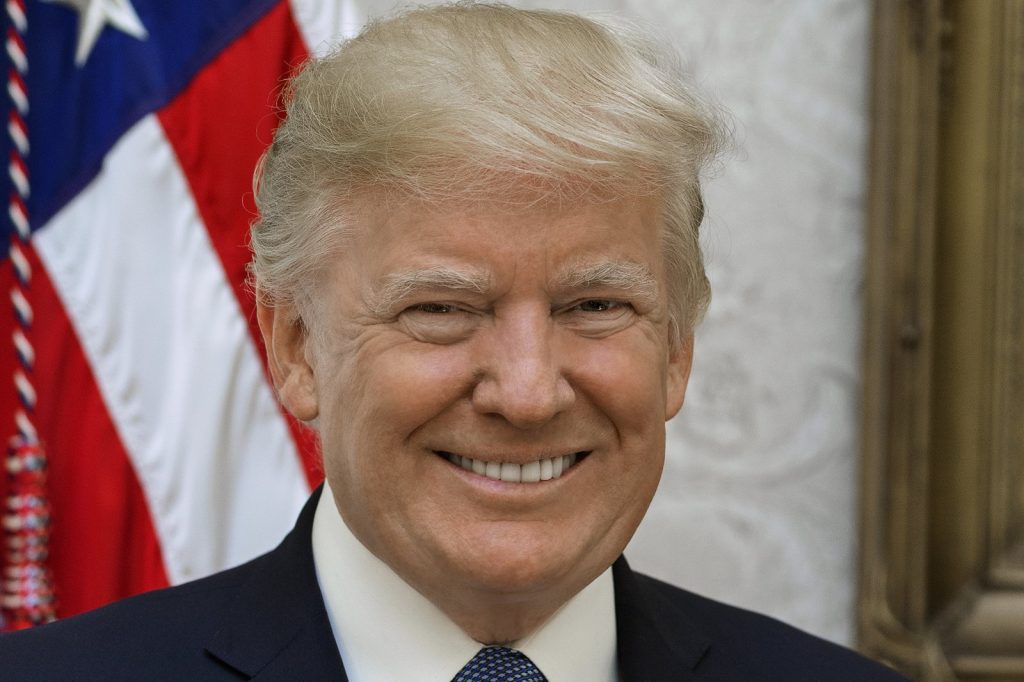
For American importers and exporters, the math just got harder. This week, President Trump signed executive actions modifying duties in response to threats from the governments of Russia and Iran. The practical effect lands on supply chains already strained by years of trade friction.
Companies that move goods through those two countries — or rely on raw materials sourced from them — now face a shifting cost structure. No grace period was announced.
The administration framed the moves as protective. The actions, according to the White House, address threats from foreign actors and promote American economic interests. For businesses that have been watching the administration’s tariff policy since 2025, the pattern holds: react to a perceived threat, adjust trade terms, let the market adapt.
But the ripple effects will not stop at the loading dock. The proclamation recognizing a national emergency with respect to Burma signals a longer-term posture.
The administration described it as demonstrating its “ongoing commitment to monitoring and responding to global crises.” That language carries weight inside the State Department and the Pentagon. It means resources, personnel, and diplomatic attention will stay fixed on Southeast Asia even as the White House focuses on Russia and Iran. Defense contractors are watching a separate development closely.
The president established an America First Arms Transfer Strategy this week. The stated goal: promote American interests and strengthen national defense. For Lockheed Martin, Raytheon, and their competitors, that usually translates into export licenses and foreign military sales.
The strategy’s name — “America First” — suggests a tilt toward allies who offer direct benefit to U.S. industry, not just geopolitical alignment. Domestically, the administration took steps to promote American commerce and support American consumers.
The report did not specify which steps. But the timing matters. Consumer confidence numbers have been uneven.
Retailers heading into the spring selling season want certainty. They did not get much of it this week.
What comes next depends on how the affected governments respond. Russia has its own tariff levers. Iran controls key shipping lanes.
Burma’s junta has shown little interest in diplomatic overtures. Any retaliation will land on American exporters first — farmers, manufacturers, and energy producers who have already weathered rounds of counter-tariffs since 2018. The administration also issued executive actions targeting criminal actors and public safety threats.
The White House described these as protecting “the national security and welfare of the United States and its citizens.” Enforcement agencies will carry the burden. Immigration and Customs Enforcement, the FBI, and the Bureau of Alcohol, Tobacco, Firearms and Explosives all operate under resource constraints.
New directives without new funding create pressure on field offices. For the average American, the week’s events may feel distant. Burma is a half-world away.
Tariffs on Russian and Iranian goods do not show up on grocery receipts immediately. But the cumulative effect of these actions — the emergency declarations, the trade adjustments, the national security strategies — is a government that keeps its hand on the economic steering wheel.
That has consequences for inflation, for interest rates, and for the cost of borrowing. The Federal Reserve meets again next month. Its members will read the same news this week’s actions generated.
Their decisions on rates will reflect whether they see these moves as stabilizing or disruptive.




