
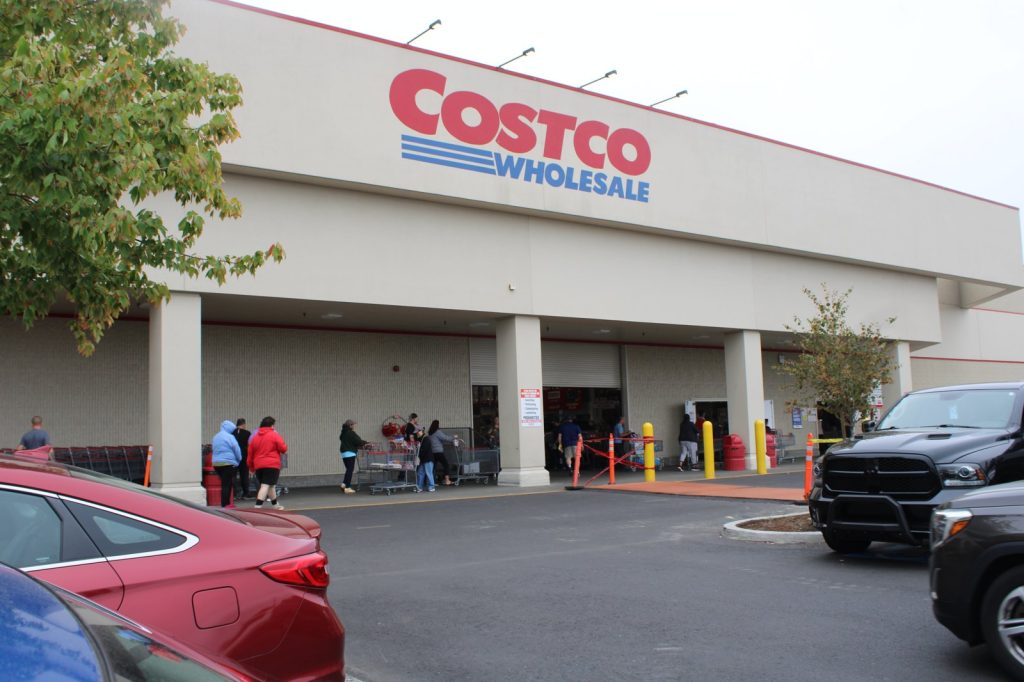
ISSAQUAH, Washington, October 4 — Costco Wholesale Corporation’s potential to recover import duties through tariff drawback programs could meaningfully boost earnings in fiscal 2027, though the company does not disclose such recoveries publicly. The bottom line: even a small recovery of duties paid on imported goods could yield substantial financial benefits given Costco’s scale. By the numbers: in fiscal 2024, which ended September 1, 2024, Costco reported total revenue of $247.7 billion, a 9.1% increase from the prior year.
Net income was $6.3 billion, up from $5.8 billion in fiscal 2023. Cost of goods sold amounted to $220.5 billion, or about 89% of total revenue.
Investors will note that Costco’s gross margin in fiscal 2024 was 11.5%. A 15-basis-point improvement in gross margin on that revenue base would yield approximately $372 million in additional gross profit. The figure that matters for drawback potential: if Costco recovered duties on just 1% of its imported merchandise value at an average duty rate of 5%, the potential refund could approach $1.1 billion annually, though actual amounts depend on product classification, export rates, and compliance with regulations.
Costco operated 891 warehouses worldwide as of the end of fiscal 2024, including 612 in the United States and Puerto Rico, 109 in Canada, 40 in Mexico, and the remainder in international markets. The company sources a significant portion of its private-label and national-brand products from overseas manufacturers, particularly in China, Vietnam, and other Asian countries.
Looking ahead to fiscal 2027, which will end in September 2027, analysts suggest that changes in global trade policy — including potential adjustments to U.S. tariff rates on goods from China and other trading partners — could influence the volume of imports eligible for drawback claims. Any increase in tariffs would raise the duty paid at import, increasing the potential base for refunds if those goods are later exported or destroyed.
Costco’s ability to leverage duty drawback programs depends on its supply chain flexibility, including the capacity to redirect imported goods toward export markets or to document destruction of ineligible inventory. The company’s centralized logistics infrastructure and high-volume purchasing power enhance its potential to manage such processes efficiently. As of the latest available data, Costco has not issued specific guidance on the expected impact of tariff refunds on fiscal 2027 earnings, and no public statements from company executives have quantified anticipated drawback recoveries for that period.
However, historical patterns indicate that large importers with significant overseas sourcing often utilize duty drawback programs as a routine component of working capital and cost management. Any material recovery of import duties would directly reduce effective cost of goods sold, thereby improving gross profit margins.
The actual impact will depend on the interplay of tariff rates, import volumes, export and destruction eligibility, and the company’s administrative capacity to file and substantiate drawback claims with U.S. Customs and Border Protection and comparable agencies in other jurisdictions where Costco operates.




