
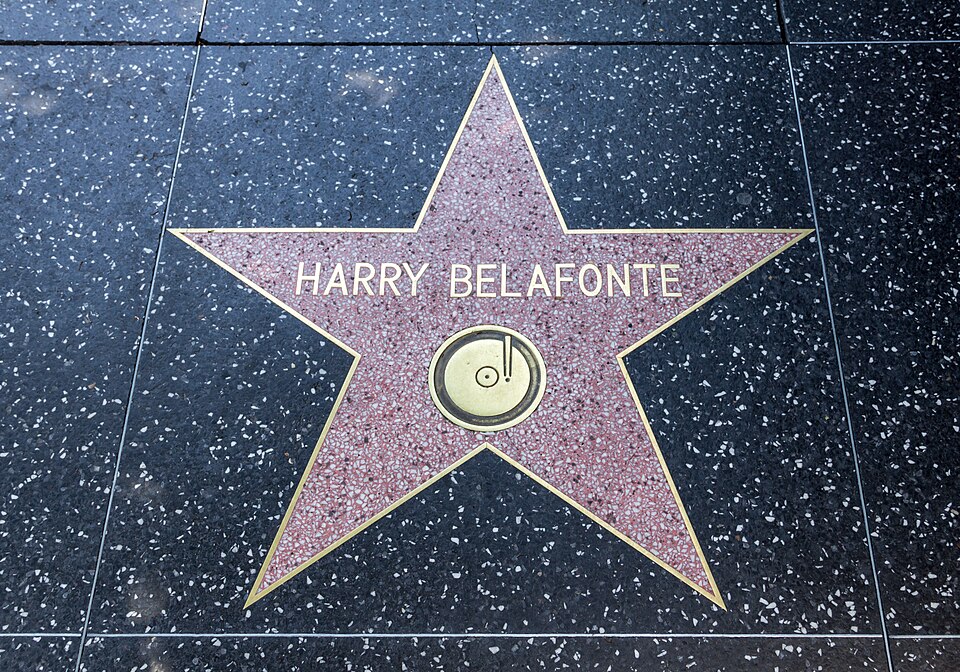
Hollywood, October 5 — On the sun-drenched sidewalks of Hollywood Boulevard, the stars gleam under the afternoon light, each one a silent testament to the legacy of those who have shaped the entertainment world. The Hollywood Walk of Fame, a sprawling stretch of terrazzo and brass, has stood as a beacon of fame and fortune for over six decades, its roots tracing back to 1953 when E.M. Stuart, then volunteer president of the Hollywood Chamber of Commerce, first envisioned a tourism initiative to revitalize the area.
The idea took shape in 1960, when the first permanent star was installed, honoring director Stanley Kramer, marking the beginning of a cultural monument that would continue to evolve over the years. The stars, each about 5 feet in diameter and costing $50,000 to install, represent not just individual achievements but also the shifting tides of the entertainment industry.
The selection process, managed by the Hollywood Chamber of Commerce in conjunction with the City of Los Angeles, requires nominees to have at least five years of experience in one of five categories: motion pictures, television, radio, live theatre, or recording. This rigorous vetting ensures that only those who have made significant contributions are honored with a star, a process that has drawn both admiration and debate over the years.
By nightfall, the Walk of Fame transforms into a place of pilgrimage for fans and tourists alike, its stars illuminated under the glow of neon and streetlights. The site, which saw an estimated 10 million visitors annually before the pandemic, remains one of Los Angeles’ most visited attractions.
Yet it is not without its controversies. Over the decades, the Walk has faced calls for greater inclusivity, with discussions about the representation of diverse artists and genres continuing to shape its future. Notable instances include the removal of Bill Cosby’s star in 2017 following his criminal conviction, highlighting the Walk’s role not just as a celebration of fame, but also as a reflection of societal values.
As the Walk of Fame enters its seventh decade, it continues to serve as both a commercial landmark and a symbol of the entertainment industry’s legacy. Maintained through a public-private partnership, the Walk remains a defining feature of Hollywood’s identity, one that continues to evolve with the times. With its over 2,700 stars now embedded in the sidewalk, the Walk stands as a living history of the entertainment world, a place where the past and present converge in a dazzling display of fame and fortune.
The future of the Walk of Fame remains a topic of discussion, with ongoing efforts to ensure its relevance in the 21st century. As the entertainment industry continues to change, so too will the stars that line Hollywood Boulevard, reflecting the ever-changing landscape of fame, representation, and legacy.
What the next decade holds for this iconic landmark remains to be seen, but one thing is certain: the Walk will continue to shine under the Los Angeles sky.




