
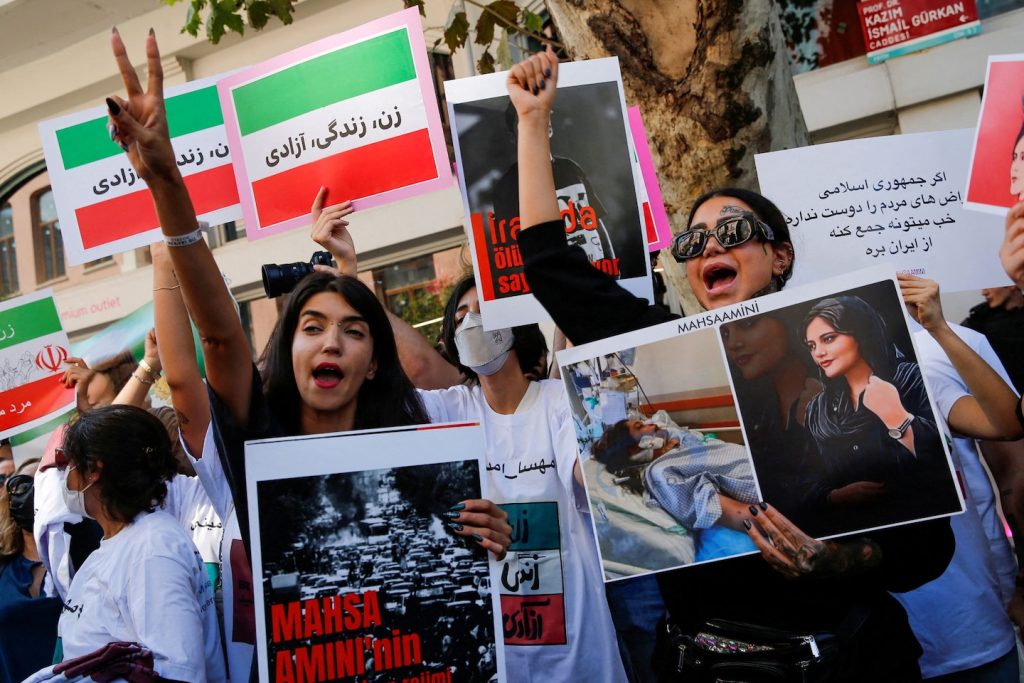
TEHRAN, October 13 — Iranian authorities executed five men between September 30 and October 5, 2026, following convictions tied to their participation in the January 2026 protests. The executions were carried out after trials described by Amnesty International as grossly unfair, marked by torture, denial of legal counsel, and the use of televised forced confessions as evidence.
Ali Hemmati Sistanian, Alireza Raisi, Alireza Sepahi, Majid Nikandish, and Siavash Jamshidi Kheirabadi were put to death after being sentenced on charges including membership in an armed rebellion group, waging war against God, and corruption on earth. Alireza Sepahi reported being subjected to torture, including prolonged solitary confinement, beatings, and electric shocks, and was denied access to a lawyer during interrogation.
Alireza Raisi and Alireza Sepahi were executed in Esfahan on October 5, 2026, after being sentenced in the ‘Alikhani Square’ mass trial. They were accused of blocking streets, destroying property, arson, and involvement in the deaths of four security agents during protests on January 8, 2026. Their forced confessions were broadcast on state media on January 23, 2026, prior to trial.
Majid Nikandish and Ali Hemmati Sistanian were executed on September 30, 2026, in Mashhad, Razavi Khorasan province, after being accused of similar acts during protests in Mashhad on January 8, 2026, which authorities labeled a ‘coup’. The men were sentenced to death on charges including ‘membership in an armed rebellion group (baghi)’, ‘waging war against God (moharebeh)’ through drawing weapons and creating fear, and ‘corruption on earth (efsad-e fel arz)’ for acts against physical integrity and national security that disrupted public order.
Five other men convicted in the same case were previously executed, and at least eight others remain at risk of execution. Amnesty International’s Deputy Regional Director for the Middle East and North Africa, Diana Eltahawy, said the executions were based on grossly unfair trials tainted by torture and denial of legal counsel.
Amnesty International has called for coordinated diplomatic pressure to halt all planned executions, the referral of Iran’s situation to the International Criminal Court by the UN Security Council, and the establishment of an international criminal justice mechanism for Iran via the UN General Assembly, citing systemic impunity and a pattern of using the death penalty to suppress dissent. The organization urged the international community to act against what it described as a widespread abuse of judicial processes to silence dissent.
Looking ahead, human rights groups will monitor whether Iran responds to international calls to halt further executions and whether diplomatic pressure leads to any change in judicial practices.




