
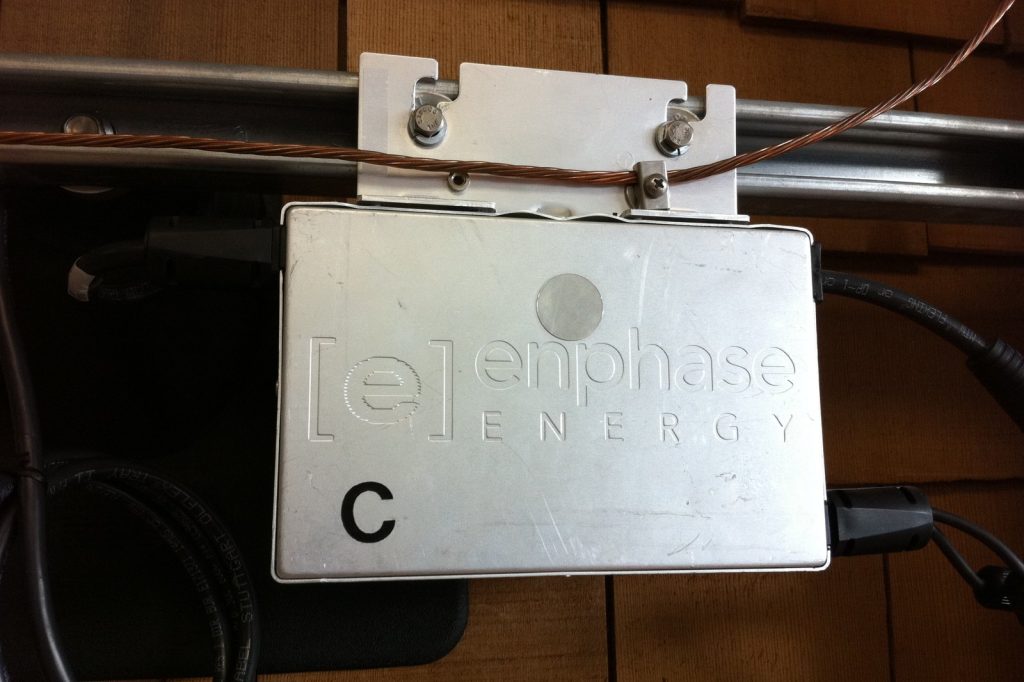
SAN FRANCISCO, October 16 — Enphase Energy and SolarEdge Technologies are facing mounting pressure as uncertainty over the Inflation Reduction Act’s residential clean energy tax credit creates volatility for solar equipment makers. The bottom line: investors are reacting sharply to policy risk, with Enphase shares down about 12% and SolarEdge shares down roughly 15% over a recent trading period.
By the numbers, the 30% tax credit for solar installations — including inverters and battery storage — has been a key driver of U.S. residential solar demand, which saw strong growth in 2023. U.S. residential solar installations reached 7.1 gigawatts-direct current in 2023, marking a 20% increase from the prior year, according to industry data cited in market analyses.
Enphase reported that approximately 60% of its 2023 revenue came from the Americas region, primarily the United States, while SolarEdge disclosed that the U.S. accounted for about 55% of its total revenue in the same year. Investor concerns have intensified over the potential modification or expiration of the tax credit, which could reduce demand for solar inverters and energy storage systems — core products for both companies.
Despite efforts to diversify globally, analysts note the U.S. residential solar market remains critical to near-term financial performance, and any disruption to the tax credit could impact revenue forecasts, gross margins, and capital allocation plans through 2025. Enphase has emphasized its commitment to innovation and expansion in European markets, while SolarEdge is increasing investments in battery technology and software platforms to reduce reliance on any single market or policy outcome.
The figure that matters moving forward is whether federal tax policy will sustain the incentive that has fueled residential solar adoption, as both firms navigate a period of heightened sensitivity to legislative change.
Sources
Background and why it matters
Enphase Energy and SolarEdge Technologies emerged as leading players in the solar inverter market during the 2010s, a period marked by rapid expansion in residential solar adoption across the United States. Enphase, founded in 2006, pioneered microinverter technology that converts direct current from individual solar panels to alternating current at the panel level, improving system efficiency and monitoring. SolarEdge, established in 2006 as well, gained prominence with its power optimizer and inverter solutions that optimize energy harvest at the panel level while maintaining a centralized inverter. Both companies benefited from declining solar costs, supportive state-level policies, and growing consumer interest in distributed energy generation throughout the 2010s.
The core subject of this story is the residential solar inverter and energy storage systems market, where Enphase and SolarEdge design and sell critical components that enable home solar installations to function and integrate with the grid. This market has grown in tandem with federal incentives that lower the upfront cost of solar adoption for homeowners, making the technology accessible to a broader segment of the population. Over the past decade, these incentives have helped transform residential solar from a niche product into a mainstream home improvement option in many parts of the country.
The current focus on the Inflation Reduction Act’s residential clean energy tax credit matters because it directly influences the economic calculus for homeowners considering solar installations. The credit has played a significant role in sustaining demand for solar equipment over recent years, and any change to its structure or availability could affect purchasing decisions. For Enphase and SolarEdge, which rely heavily on the U.S. residential market for a major share of their revenue, shifts in policy introduce uncertainty that investors are weighing against the companies’ efforts to expand internationally and diversify their product offerings into software, battery storage, and grid services.




